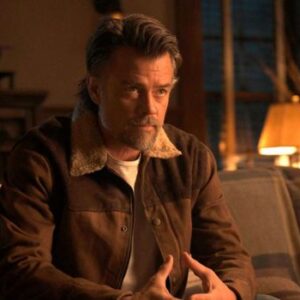
Dallas Jenkins, the creator and director of the global hit series “The Chosen,” has officially responded to allegations that his production company engaged in a controversial financial move involving thousands of investors. Jenkins strongly rejected claims that 5&2 Studios, the company behind the biblical drama, improperly forced minority shareholders to sell their stakes in an effort to take greater control of the show’s future profits.
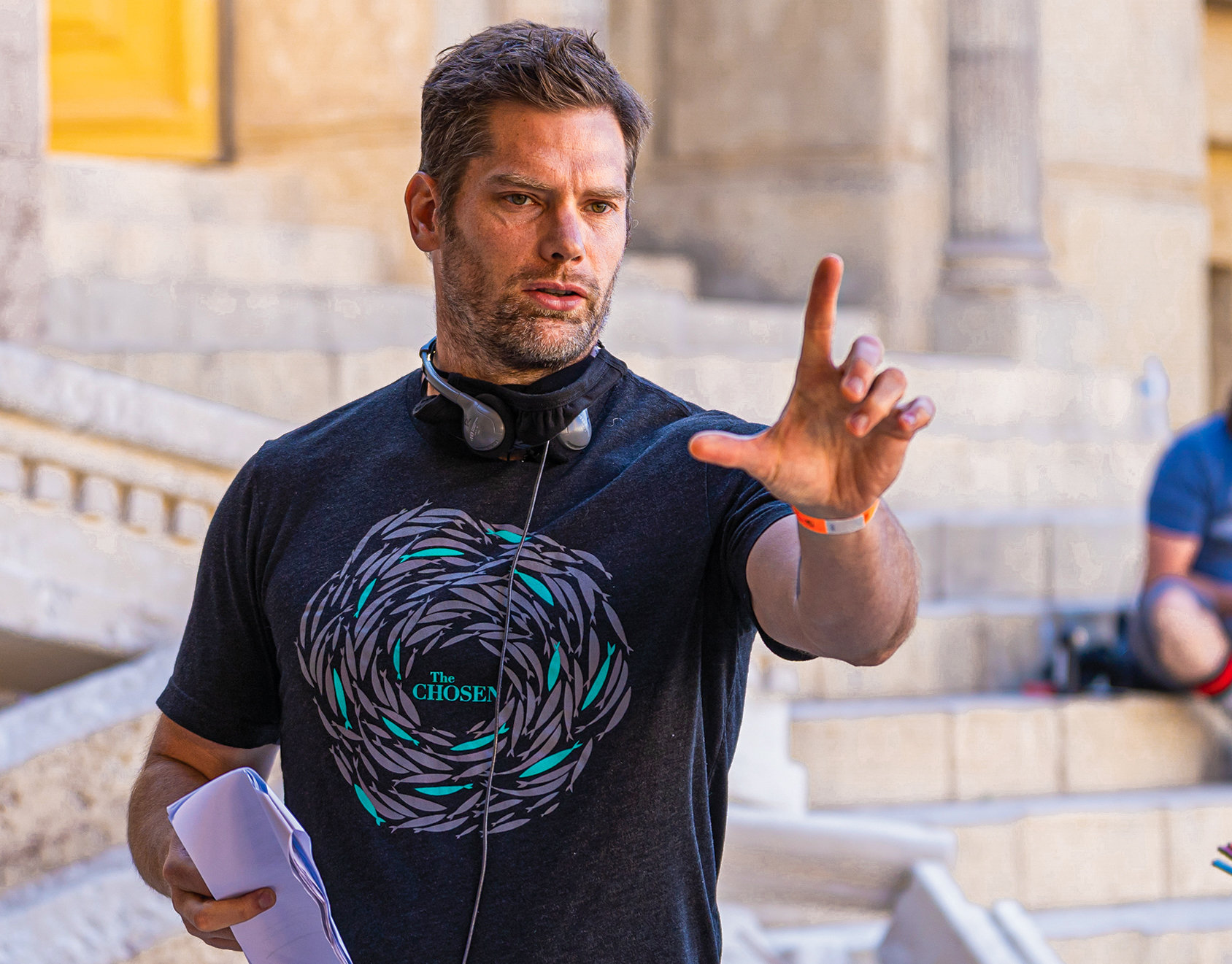
The accusations emerged after a lawsuit was filed against 5&2 Studios, alleging that the company unfairly pushed out more than 16,000 minority investors through a forced buyout. Jenkins, who serves as executive chairman and co-founder of 5&2 Studios, denied the accusations and described the claims as completely unfounded. While acknowledging that the matter is now part of ongoing legal proceedings, he said the company would not avoid addressing the controversy and would allow the facts to be examined in court.
“We can’t say much because of litigation, but we also won’t hide behind ‘No comment,’” Jenkins said in a statement. He emphasized that transparency and accountability have been central to the company’s operations since its creation, adding that 5&2 Studios has consistently worked to meet all legal and financial obligations.
“Any suggestion of impropriety is categorically false, and the full record thoroughly addresses every concern,” Jenkins continued. He expressed confidence that the Delaware Court of Chancery would ultimately review the evidence and confirm that the company acted properly.
The lawsuit was filed by Christopher Garabedian, an early investor who contributed $300,000 to a predecessor company connected to 5&2 Studios in 2019. Garabedian, who later held approximately 150,000 minority shares, claims that he and thousands of other investors were unfairly removed from ownership as “The Chosen” entered a major stage of growth.

According to the complaint, 5&2 Studios approved a transaction that purchased minority shares for $3.75 per share. Garabedian alleges that although he objected to the deal, he was still forced to accept the buyout. The transaction reportedly provided him with about $560,250, meaning his original investment increased significantly in value, but he argues that the decision prevented him from continuing as a long-term shareholder in the company.
The lawsuit claims that investors who helped financially support the project believed they were participating in the long-term success of “The Chosen,” not simply making a short-term investment. Garabedian stated that many supporters invested because they believed in the show’s mission as a faith-based project and expected to remain connected to its future growth.
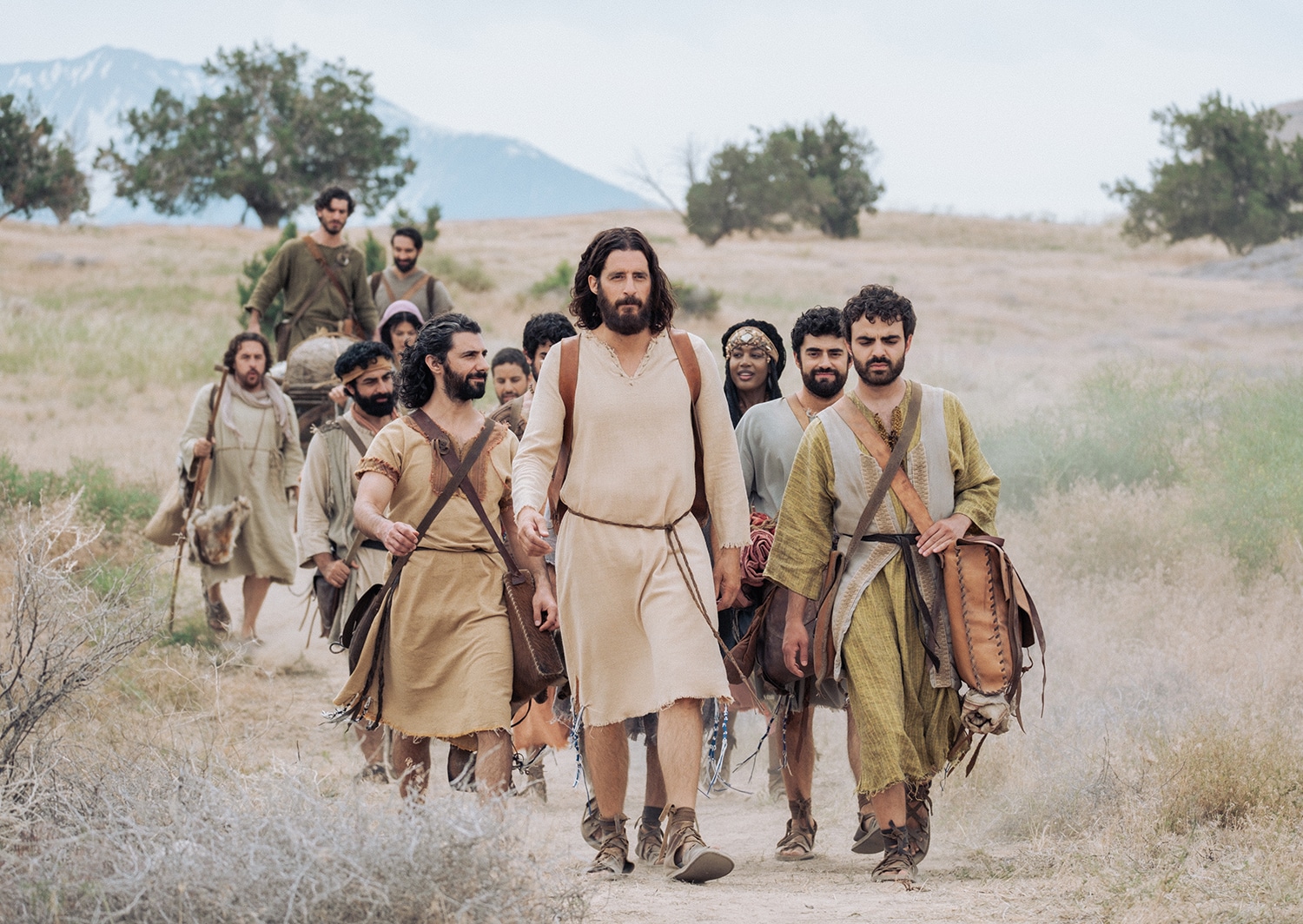
Since its debut nearly a decade ago, “The Chosen” has become one of the most successful crowdfunded entertainment projects in history. The series, which portrays the life and ministry of Jesus Christ through a multi-season dramatic format, has relied heavily on financial support from fans around the world. Supporters have contributed tens of millions of dollars toward the production, including more than $44 million raised for the seventh and final season, according to Come and See, the organization associated with the series’ distribution and fundraising efforts.
The show’s unique crowdfunding model has helped it build an unusually strong relationship with its audience. Rather than relying only on traditional studio financing, “The Chosen” allowed viewers to directly contribute to production costs, creating a global community of supporters who felt personally invested in the project’s success.

That success has transformed the series into a worldwide phenomenon. It has reached hundreds of millions of viewers internationally and has been translated into more than 125 languages, making it one of the most widely distributed faith-based television productions ever created.
However, the rapid expansion of the franchise has also brought increased scrutiny over its business structure. As the show moved from a small independent production into a major entertainment property, questions surrounding ownership, investment rights, and financial decisions became more significant.
The current legal battle centers on whether 5&2 Studios acted within its rights when restructuring ownership or whether minority shareholders were unfairly excluded from future financial benefits. Garabedian’s lawsuit argues that the company’s leadership consolidated control at a crucial moment, just as “The Chosen” was approaching its final seasons and potentially its most valuable period.
Jenkins and 5&2 Studios maintain that the allegations misrepresent the situation. The company insists that the buyout process was conducted legally and that investors were treated according to proper procedures. Jenkins stated that the organization welcomes a full review of the records and believes the court process will demonstrate that there was no wrongdoing.
As the lawsuit moves forward in Delaware, the dispute has placed renewed attention on the unusual crowdfunding structure that helped make “The Chosen” possible. For Jenkins and his team, the focus remains on defending the company’s reputation and continuing production of the final chapter of the series. For investors challenging the decision, the case represents a broader question about the rights of supporters who helped build one of the most successful faith-based entertainment projects in modern history.