MC Mong, the South Korean singer and producer, is currently facing renewed public criticism following his third livestream broadcast, during which he continued to make a series of unverified claims and unexpectedly mentioned top star IU, intensifying the ongoing controversy over repeated “name exposure” incidents.
The livestream, which took place on May 20, arrived just a day after MC Mong had stated there would be no further revelations. Despite this assurance, he returned with additional claims, reigniting disputes surrounding his public statements.
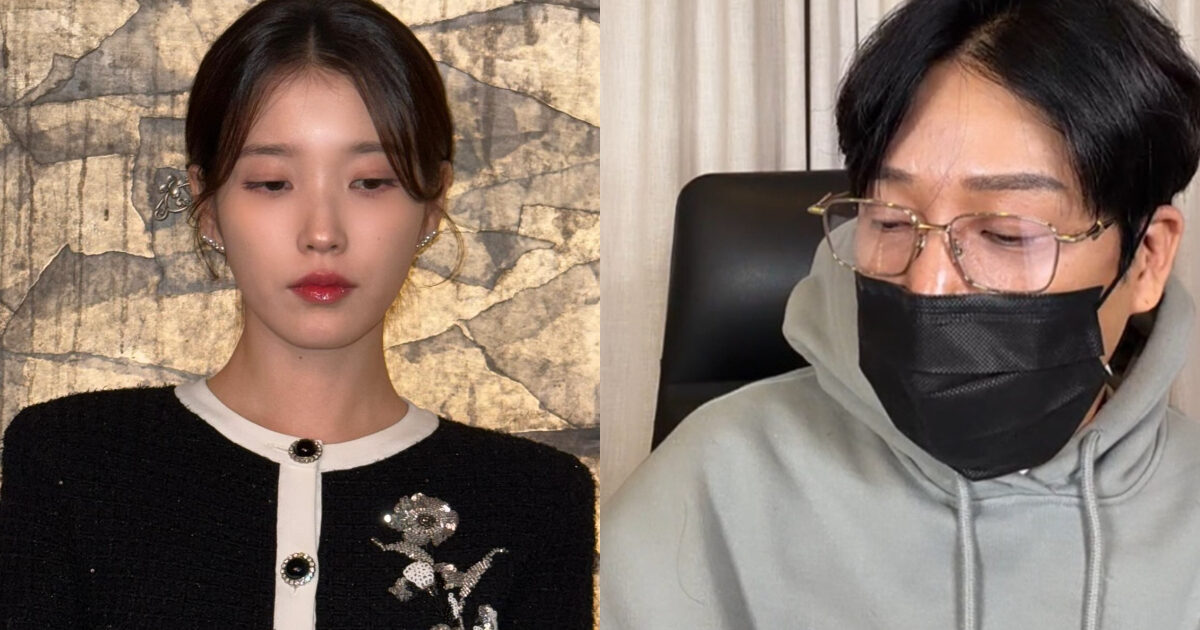
During the broadcast, MC Mong addressed multiple allegations against him, denying suspicions related to illegal gambling as well as various controversial rumors involving business figures. He also suggested that there were organized efforts targeting him, portraying the situation as a coordinated attempt to discredit him. Despite these claims, no independent verification has been provided, leaving them as one-sided allegations.
The controversy intensified when MC Mong mentioned IU in connection with a separate issue involving a historical drama production. He questioned why the lead actress faced criticism for decisions associated with the production, asserting that actors often bear responsibility unfairly. IU had recently been scrutinized for perceived historical inaccuracies in a drama she starred in, a situation that had led the production team to issue an official apology. Critics argued that MC Mong’s comments dragged IU into an unrelated dispute, turning her into an unwarranted focal point in a controversy that did not directly involve her.
This is not the first time MC Mong’s livestreams have stirred public debate. In previous broadcasts, he made claims involving Baekhyun and other public figures, touching on topics such as production investments, contract negotiations, and alleged gambling activities. Those earlier statements also drew criticism for potentially damaging reputations without supporting evidence.
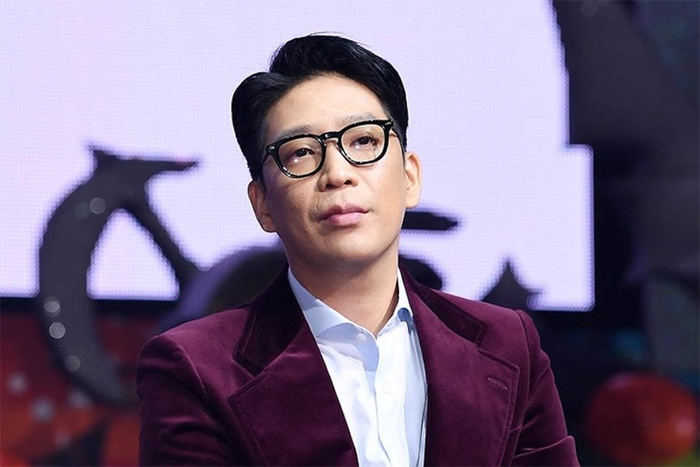
Following his repeated livestream statements, some individuals mentioned in his remarks have reportedly begun considering or pursuing legal action for defamation. Earlier claims had already prompted formal responses and legal complaints from affected parties. Although MC Mong issued a brief apology during his second livestream, emphasizing that he had “no ill intent,” public sentiment has remained largely negative, with widespread criticism focused on the repetition and unverified nature of his claims.
The incident has reignited a broader debate in the Korean entertainment industry regarding the responsibilities of public figures when making statements on livestream platforms, particularly when these statements involve naming other individuals without confirmed evidence. The repeated exposure of celebrity names in controversial contexts has drawn concern not only from fans but also from industry professionals who emphasize the potential for reputational harm.
Observers note that MC Mong’s insistence on discussing other celebrities, despite earlier assurances that he would cease such disclosures, has compounded public frustration. The nature of livestream platforms, which allow direct communication with audiences without editorial oversight, has made it easier for statements to spread rapidly, fueling speculation and criticism.
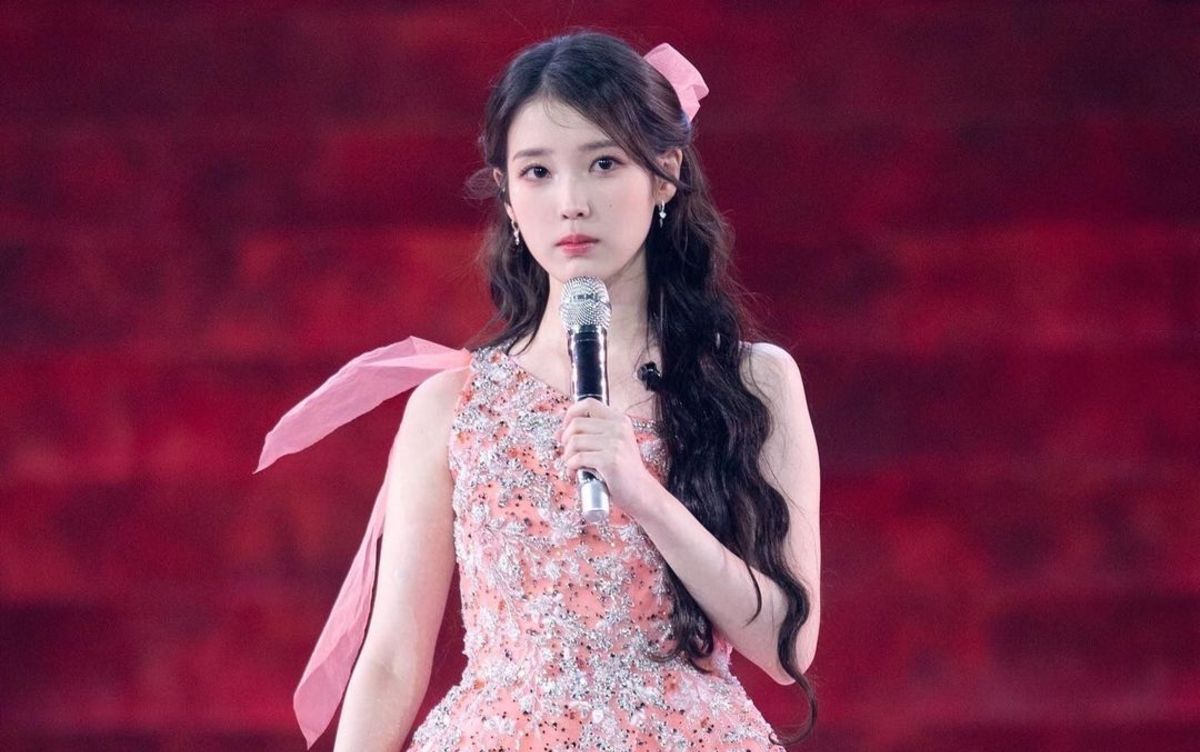
Experts in media ethics have pointed out that naming individuals in unverified claims can have lasting implications. Even if statements are later clarified or retracted, the initial impact can be difficult to fully mitigate, particularly when social media amplifies the content. In MC Mong’s case, the combination of repeated statements, involvement of high-profile celebrities like IU and Baekhyun, and the allegations of organized targeting has made the situation particularly volatile.
Legal analysts note that repeated unverified claims could heighten the risk of defamation lawsuits. South Korean law allows individuals to pursue civil and criminal remedies if their reputations are damaged through false statements. Some parties reportedly affected by MC Mong’s broadcasts are exploring these options, though it remains unclear whether formal legal action will follow.
The unfolding situation highlights ongoing challenges in the intersection of celebrity culture, livestream communication, and accountability in public statements. It also underscores the delicate balance public figures must maintain when addressing controversies, especially when naming others. As the controversy continues to attract attention, industry insiders and fans alike are closely monitoring whether MC Mong will issue further clarifications or retractions, and what the potential legal ramifications may ultimately entail.

In sum, MC Mong’s latest livestream has reinforced the contentious discourse surrounding the responsibilities of celebrities in making public statements. By reintroducing high-profile names like IU into the discussion, his remarks have sparked renewed debate over ethical conduct, reputational impact, and the legal boundaries of commentary in the entertainment industry. The situation remains fluid, and the coming weeks may determine whether additional clarifications, apologies, or legal proceedings will shape the final outcome.