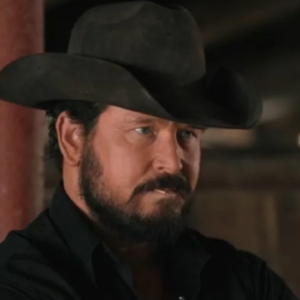
The debut of the television series Marshals sparked immediate controversy and disappointment among the dedicated fanbase of the Yellowstone universe. The source of this frustration was the unceremonious handling of Monica Dutton, a character who had been a cornerstone of the original series since its inception. Played by Kelsey Asbille, Monica was the moral compass and the primary emotional anchor for Kayce Dutton, yet she never actually appeared in the spin-off. Instead, viewers were informed through a brief and somewhat vague explanation in the pilot episode that she had passed away from cancer during the interval between the two shows. This off-screen demise felt particularly hollow for a character who had survived countless traumas, from brain injuries to physical assaults, throughout the high-stakes drama of the Montana wilderness.

In the immediate aftermath of the premiere, showrunner Spencer Hudnut attempted to frame this creative decision through a narrative lens. He argued that Monica’s death was a necessary catalyst to propel Kayce’s journey into a new chapter, creating the requisite pain and internal tension needed to sustain a gritty procedural drama. By making Kayce a widower, the writers could explore a darker, more isolated version of the character. However, while the narrative justification provided a convenient cover, a deeper investigation into the corporate landscape suggests that Monica’s fate was decided not in a writers’ room, but in a boardroom.
The core of the issue lies in a complex web of streaming rights and legal contracts that have plagued the Yellowstone franchise for years. Before Paramount launched its own dedicated streaming service, Paramount+, the company struck a deal with NBCUniversal. This agreement granted NBCU the exclusive streaming rights to Yellowstone, which is why the show is famously hosted on Peacock rather than Paramount’s own platform. This deal has become a significant thorn in the side of Paramount as the franchise expanded into a global phenomenon. When development began on the Kayce Dutton spin-off, Paramount faced a precarious legal challenge: how to build a show using Yellowstone characters without triggering the “continuation” clause of the NBCU contract, which would force the new show onto a competitor’s streaming service.
According to industry reports, specifically from journalist Matt Belloni at Puck, the killing of Monica Dutton was a strategic legal maneuver designed to provide “differentiation.” By removing the central domestic unit of the original series, Paramount’s lawyers could argue that Marshals was a distinct spin-off rather than a direct sequel or continuation of the Yellowstone narrative. This distinction is vital because, under the existing agreement, spin-offs are permitted to remain on Paramount+, whereas any show deemed a direct continuation of the primary storyline would legally belong to Peacock. Monica, as the wife of the protagonist, represented a level of narrative continuity that the lawyers deemed too risky to maintain.

This legal maneuvering has created a ripple effect across the entire franchise. While Marshals features several familiar faces—including Brecken Merrill as Tate Dutton, Gil Birmingham as Chief Thomas Rainwater, and Mo Brings Plenty—the tone of the show has been drastically altered. It has shifted from the cinematic, neo-Western epic style of Taylor Sheridan to a more traditional, episodic CBS-style procedural. While some critics argue that this shift has left the series feeling somewhat identity-less, this lack of similarity to the original show is exactly what Paramount needs to stay clear of litigation. The more Marshals feels like a separate entity with a different structure and a different family dynamic, the safer it is from NBCUniversal’s legal reach.
The stakes of this corporate tug-of-war are set to escalate with the upcoming debut of Dutton Ranch, another spin-off centered on the fan-favorite characters Beth Dutton and Rip Wheeler. Because Beth and Rip are so intrinsically linked to the identity of the original series, NBCUniversal is reportedly keeping a very close watch on the production. There is a strong possibility that NBCU will claim that any show featuring the primary heirs of the Dutton legacy constitutes a continuation of the mothership series. To combat this, Paramount has reportedly gone as far as hiring specialized attorneys to oversee the creative development of Dutton Ranch, ensuring that the script and setting—which moves the action from Montana to Texas—are sufficiently “different” to justify its placement on Paramount+.
Ultimately, the tragedy of Monica Dutton’s death serves as a stark reminder of how behind-the-scenes business deals can dictate the fate of beloved fictional characters. While keeping figures like Chief Rainwater allows the show to maintain some connectivity to the world of Broken Rock, maintaining the marriage between Kayce and Monica would have preserved the exact same domestic dynamic seen in Yellowstone. In the eyes of the studio, Monica was a bridge to the past that needed to be burned to protect the future of the streaming platform.
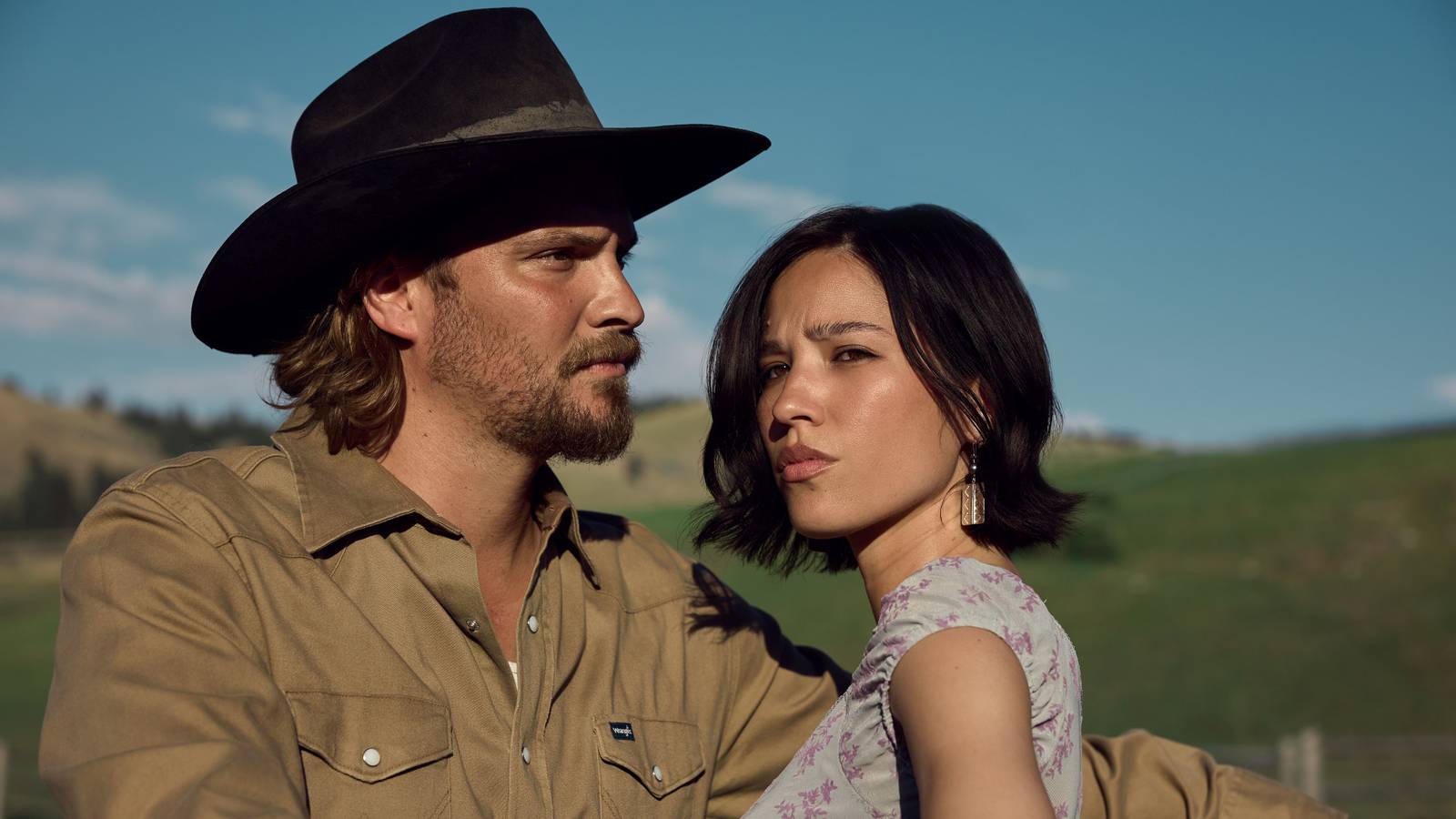
As the franchise moves forward without Taylor Sheridan, who is expected to depart for NBCUniversal in 2028, these legal battles will likely intensify. For the viewers, the loss of Monica remains a bitter pill to swallow—a “casualty of war” in a high-stakes conflict between media giants. While the showrunners will continue to insist that her death was a creative choice meant to deepen Kayce’s character, the reality appears much more clinical. Monica Dutton didn’t die because her story was over; she died to ensure that the show she belonged to could live on a different app.