Fans were left reeling this week after a candid TV moment from Leehan, one of the members of rising HYBE/Koz idol group BOYNEXTDOOR, revealed a raw and emotional side of K‑pop life that most people never see. Behind the glittering stages, full arenas and chart‑climbing music, the young stars are shouldering pressures that seem almost unbearable — and on LeeMujin’s Service, Leehan’s words struck a chord that sparked heartbreak and fury in equal measure.

In the clip that’s been circling social media, the host asked Leehan about BOYNEXTDOOR’s place in the hugely competitive K‑pop world. Rather than giving the confident, polished answer you’d expect from a star signed to one of the biggest labels in the industry, Leehan’s response was surprisingly vulnerable. When told that many people now know the group, he didn’t smile or brush it off — instead he admitted the members feel anxious rather than confident about where they stand.
It wasn’t just the words that hit fans. Leehan’s expression — described by many viewers as pained and tired — seemed to speak volumes. There was “sadness in his eyes,” one fan wrote on Twitter, capturing just how emotional the moment felt for viewers. Others shared clips of the segment with captions like “my heart just broke,” and some even took aim at the company: “Free these idols from HYBE…” one comment read, echoing a growing frustration that the group’s success hasn’t translated into inner peace.
The response online has been intense. Fans have expressed concern that this isn’t just a normal case of stage jitters — they fear BOYNEXTDOOR are being pushed to the brink by the constant cycle of comebacks, promotions, and expectations that accompany life as a K‑pop idol. On microblogging platform X, multiple fans asked why Leehan and his bandmates sounded like they were carrying the weight of the world, noting that BOYNEXTDOOR shouldn’t feel like their latest comeback determines their future.
Others pointed out that while BOYNEXTDOOR has been doing well — their new full‑length album HOME debuted on June 8, 2026 and has charted strongly on domestic music platforms — that success doesn’t always make artists feel secure. The album, which includes tracks like “VIRAL,” “ADIOS!” and the pre‑released “ddok ddok ddok,” is the group’s first proper studio record and is deeply personal — all six members are listed as contributors to the music and lyrics.
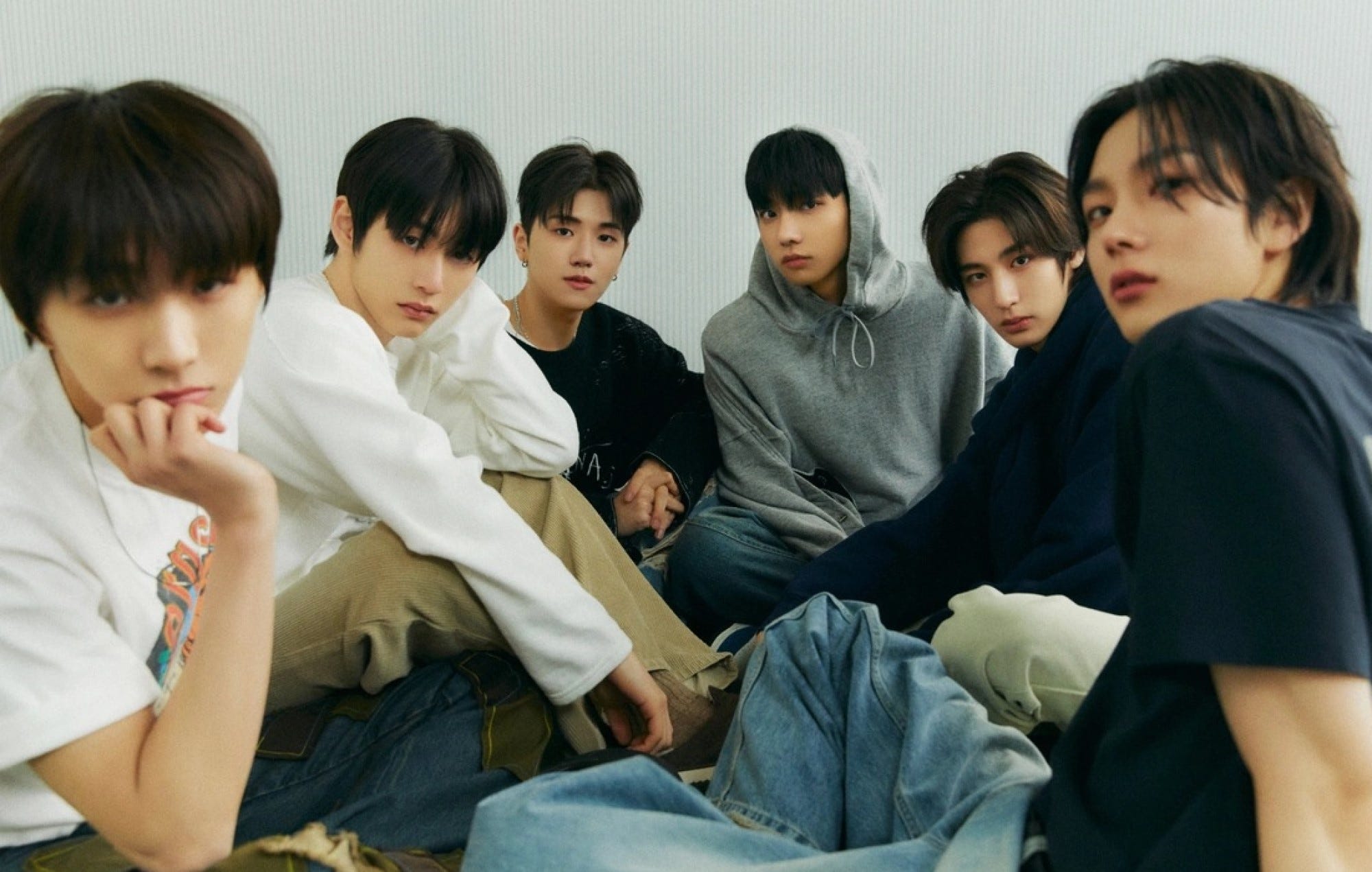
“That full album process often pushes artists to reflect on their entire journey,” one insider explained. And in BOYNEXTDOOR’s case, the emotional investment in HOME — which was shaped over almost a year of writing, recording and performing — may have intensified the stakes for the group. Members themselves have described the album as deeply meaningful, a record about self‑discovery and identity that captures who they are after three years in the industry.
So why does a group with charting music and a steadily growing fanbase feel this kind of pressure? According to conversations among fans online, it comes down to a mix of industry realities and personal vulnerability. One widely shared thread on Reddit highlighted that BOYNEXTDOOR are still relatively early in their career, and unlike mega‑groups with massive, established fandoms, they don’t yet have the level of market security that makes every comeback a guaranteed smash. In other words, every album still feels like a make‑or‑break moment — even for the members themselves.
Fans have also pointed to the group’s evolution in artistic direction. HOME has a more mature and introspective feel than some of their earlier releases, and some fans worry that this shift — while artistically meaningful — hasn’t been embraced universally by listeners. On Reddit and X, many have debated whether the group’s newer concept is being misunderstood, adding another layer to the band’s anxiety about how the album will be received.
The moment on LeeMujin’s Service has become a flashpoint for all of these feelings. Rather than the usual polished promotional interview, many saw Leehan’s answers as a rare glimpse behind the curtain of K‑pop fame — a reminder that even idols under big entertainment umbrellas are still human beings dealing with fear, doubt and emotional exhaustion.
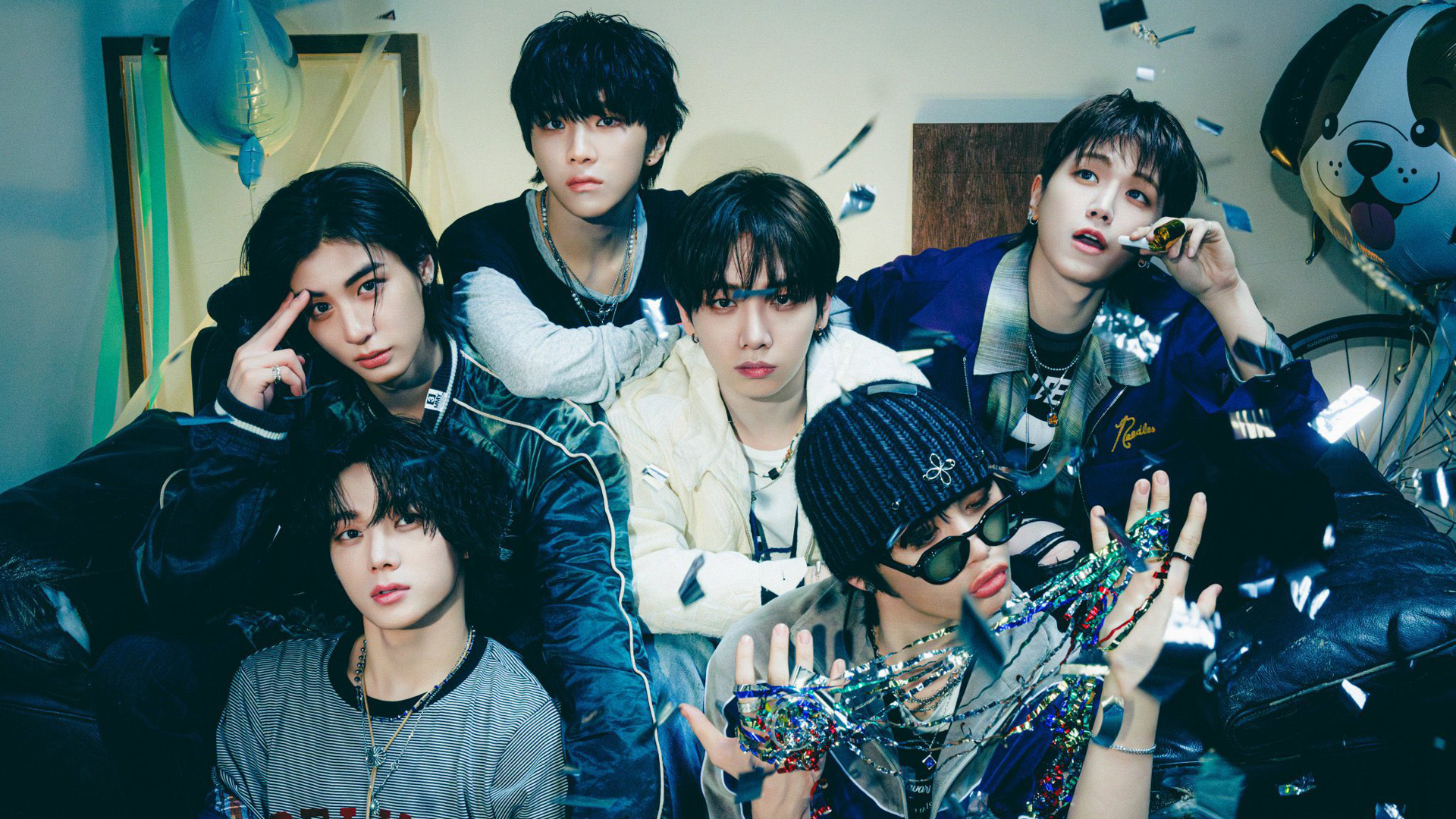
And the reaction reflects that: it isn’t just sadness at seeing a favorite star look vulnerable. It’s frustration that such talented, hard‑working young artists have to shoulder this kind of pressure. Fans are lamenting the industry’s relentless focus on success and are calling for more empathy and support for artists who pour their hearts into their work but still feel unsure, insecure, and sometimes overwhelmed.
Whether this interview will spark real change — in how the group promotes itself, how the company supports them behind the scenes, or how fans understand their struggles — remains to be seen. But for now, Leehan’s words have opened up a conversation few expected to hear from one of K‑pop’s rising young acts — and it’s resonating far beyond the usual fandom circles.