The Korean National Police Agency has officially announced that it is conducting a comprehensive review and a supplementary investigation into Bang Si Hyuk, the chairman of HYBE. The core of the probe centers on allegations of fraudulent transactions and severe violations of the Capital Markets Act, marking a significant legal challenge for one of the most powerful figures in the global music industry. Authorities are currently dissecting complex financial records to determine the extent of the alleged misconduct, which has sent shockwaves through both the financial sectors and the K-pop fandom worldwide.
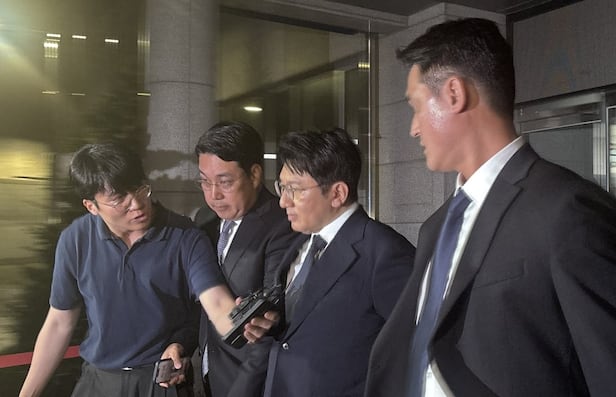
According to official statements, the primary reason for the perceived delay in the legal proceedings is the unprecedented nature of the case. The police have emphasized that this specific situation lacks clear legal precedents, necessitating an incredibly meticulous cross-checking process to ensure a foolproof indictment. Given the complexity of modern stock manipulation and corporate fraud, investigators are treading carefully to navigate the intricacies of the law, ensuring that every piece of evidence is weighed against existing statutes to withstand the rigors of a high-profile trial.
The financial scale of this investigation is staggering, with the amount currently under assessment estimated at approximately 400 billion KRW, which translates to roughly 265 million USD. This figure represents the total value of the transactions that have come under scrutiny for potential irregularities. If these funds are proven to be linked to illicit activities, the case would rank among the largest financial scandals in the history of the South Korean entertainment industry, dwarfing previous white-collar crimes in the sector and placing the entire financial foundation of HYBE under a microscope.
Under South Korean law, the penalties for such financial crimes are exceptionally severe, particularly when the illicit profit or avoided loss exceeds the threshold of 5 billion KRW. Should Bang Si Hyuk be found guilty of profiting or avoiding losses through unfair trading at this scale, he could face a prison sentence ranging from five years to life imprisonment. The legal system in Korea treats large-scale market manipulation as a direct threat to the integrity of the national economy, and the sentencing guidelines reflect a zero-tolerance policy for high-value corporate fraud.

Furthermore, the financial repercussions of a conviction would be devastating, as the law allows for fines totaling three to five times the amount of the illicit profits. Based on the current estimates of the investigation, Bang Si Hyuk could potentially be ordered to pay fines exceeding 1 trillion KRW, or approximately 700 million USD. This astronomical penalty is designed to serve as a deterrent, ensuring that the financial gain from the crime is entirely neutralized and replaced by a crippling economic burden that could effectively dismantle a defendant’s personal fortune.
Public sentiment in South Korea has reached a boiling point, with many citizens expressing deep-seated outrage and suspicion regarding the pace of the investigation. Online communities are rife with theories about potential collusion between political figures and corporate entities, suggesting that the delay is a deliberate attempt to protect a powerful mogul. Critics point out that despite the reported existence of “terabytes of evidence” and the freezing of stock assets worth nearly 200 billion KRW, the lack of a swift arrest has created a perception of “special treatment” for the wealthy elite.
The demand for justice from the public is loud and clear, with many calling for an immediate arrest rather than allowing the suspect to remain free while enjoying the privileges of his status. There is a growing sense of frustration that the legal system operates differently for the “super-rich,” and many activists are demanding that the police act decisively to restore public trust. The narrative in the media has shifted toward a demand for transparency, with citizens insisting that no amount of corporate influence should be able to stall or derail the wheels of the Korean judicial system.

Beyond the police department, some segments of the public have directed their criticism toward higher levels of government management, accusing them of being too lenient or hesitant to authorize a full-scale crackdown. This political pressure has placed the investigative team in a difficult position, as they must balance the technical requirements of a complex case with the urgent demands for accountability from a skeptical populace. The scrutiny on the Ministry of Justice and other regulatory bodies continues to intensify as the public awaits a formal indictment that matches the gravity of the allegations.
Ultimately, the consequences for HYBE as a corporate entity are likely to be catastrophic if these allegations result in a conviction. Beyond the immediate freefall of stock prices and the potential loss of investor confidence, the company’s reputation as a leader in the global “K-wave” would be permanently tarnished. A leadership vacuum at the top, coupled with massive corporate fines and the stigma of criminal activity, could lead to the restructuring or even the eventual decline of the conglomerate. As the investigation continues, the future of the artists under the label and the stability of the entire K-pop ecosystem remain hanging in the balance.
