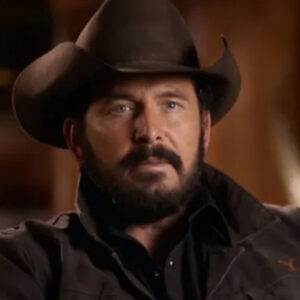
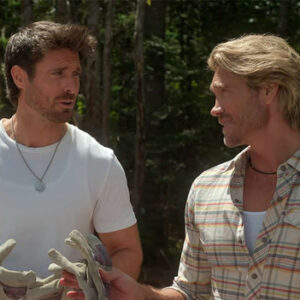
Taylor Sheridan has accomplished something few modern television creators have managed to do: he brought the American Western back to the center of popular culture. With Yellowstone, Sheridan revived a genre that had largely disappeared from mainstream television, replacing the familiar settings of coastal prestige dramas and police procedurals with ranches, open country, horses, family conflicts, and the difficult realities of life tied to the land. The enormous success of the series helped create an appetite for stories about parts of America that Sheridan believed had been overlooked for years. From there, his television universe expanded dramatically, turning him into one of the most powerful and prolific creators in Hollywood.

His influence soon extended far beyond Yellowstone. Sheridan developed a remarkable collection of series exploring different corners of American life, including Landman, Tulsa King, Mayor of Kingstown, Lioness, and The Madison. His stories have moved from Texas ranching and the oil industry to Midwestern prison towns, organized crime in Oklahoma, fly-fishing country, and international intelligence operations. Together, these projects created what looked from the outside like an entertainment empire. Yet Sheridan has increasingly suggested that television success itself is no longer the center of his identity. Despite the scale of his Hollywood career, he now describes his life in much simpler terms: he considers himself primarily a rancher.
That transformation was partly shaped by Sheridan’s growing concern about what Yellowstone had become culturally. In an interview with Town & Country, he recalled his reaction to hearing the fictional Yellowstone Ranch described in a CNN report as “the most famous ranch in America.” Instead of feeling proud, Sheridan said his “heart sank.” To him, the description exposed an uncomfortable contradiction. The Yellowstone Ranch was fictional, while ranching itself was a genuine way of life involving difficult work, financial risk, animals, land management, and generations of tradition. Sheridan feared that the enormous popularity of his creation could eventually reduce that reality to a fashionable image rather than preserve respect for the world that inspired it.
His concern went even deeper. Sheridan understood that successful entertainment properties are often expanded until nearly every recognizable element becomes commercialized. More series, merchandise, attractions, and other extensions can turn an original story into something closer to a theme park. He did not want Yellowstone and its spinoffs to become what he viewed as a kind of Western Disneyland—a commercial imitation of ranch culture disconnected from the realities that gave the stories meaning. As Sheridan explained, he had created a fad, and fads inevitably disappear. Ranching, however, existed long before Yellowstone became a television phenomenon and would continue to exist after public fascination with the franchise eventually faded. That distinction became central to how he viewed his own success.
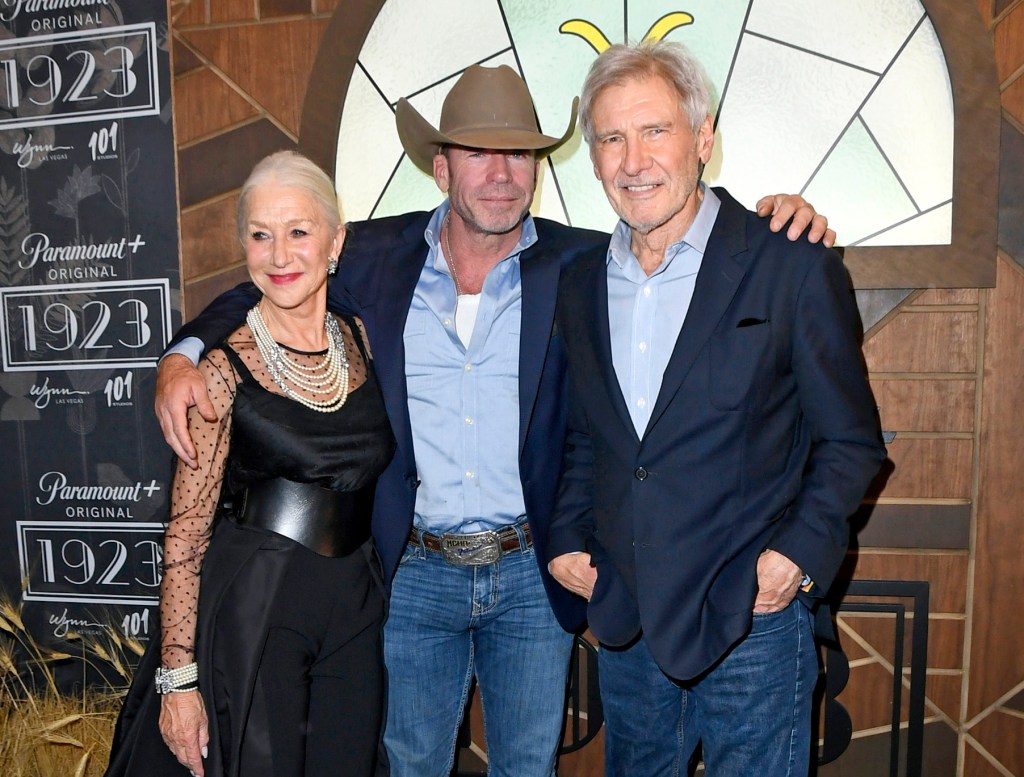
Rather than simply talking about the importance of ranching, Sheridan invested deeply in it. He used the wealth generated by his television career to purchase major ranching properties in Texas. His holdings include Bosque Ranch, along with its horses, and the legendary 6666 Ranch, commonly known as the Four Sixes, with its extensive cattle operations and long history in Texas ranching. These purchases were not merely symbolic trophies acquired by a wealthy television producer. They represented Sheridan’s decision to place his Hollywood earnings into the real-world culture that had inspired much of his storytelling. According to Sheridan, essentially every dollar he earns from television is directed toward supporting his ranches.
That philosophy makes his career trajectory particularly unusual. In Hollywood, enormous success often encourages creators to expand their production companies, secure increasingly lucrative contracts, and transform popular intellectual property into long-running commercial franchises. Sheridan had opportunities to follow exactly that path. He revealed that he had previously rejected multiple overall deals because he did not want to structure his life entirely around such arrangements. His priorities had shifted. The money from entertainment was no longer simply an indication of professional achievement or a way to accumulate wealth. Instead, television had become the financial engine supporting something Sheridan regarded as more tangible and enduring: land, horses, cattle, ranch operations, and the preservation of a way of life.
There was, however, one extraordinary deal Sheridan ultimately accepted. In October 2025, he signed an agreement that will move his television production from Paramount to Universal beginning in 2029. Reports have placed the potential value of the overall arrangement at more than $1 billion, making it one of the most significant creator deals in the entertainment business. The agreement is also expected to give Sheridan opportunities to develop films across a range of budgets and scales. On the surface, a deal of that magnitude might appear to represent an even deeper commitment to Hollywood. But viewed alongside Sheridan’s comments about his ranches, it reveals a more complicated picture. He remains a major entertainment creator, but he increasingly sees the enormous resources generated by that career as a means of sustaining his life and investments outside the entertainment industry.

Sheridan’s transformation therefore is not simply the story of a television producer becoming wealthy enough to buy ranches. It reflects a broader philosophy about the difference between popularity and permanence. Yellowstone, Landman, Tulsa King, and his other projects may continue attracting huge audiences, and his Universal agreement could extend his influence for many years. Yet Sheridan appears unwilling to confuse entertainment success with the reality his stories attempt to portray. Television franchises can rise, dominate popular culture, and eventually disappear. Ranching is something different to him: physical, demanding, expensive, and rooted in the land itself. After helping revive the Western for a modern audience and reaching one of the highest levels of Hollywood success, Sheridan has chosen to direct much of what he earned back toward the world that inspired him. In that sense, his most remarkable transformation may be that the man who built a television empire around ranching increasingly regards television as the supporting business—and the ranch as his real life.