Recently, aespa’s Karina has been facing backlash following a controversial message that surfaced, which many believe was aimed at G-Dragon in response to his feature on their latest track “WDA (Whole Different Animal).”

The feature in question came about after Giselle requested G-Dragon to appear on the track during a guest appearance on his variety show. However, the rapper’s involvement in the song has been highly divisive, especially within aespa’s Korean fanbase. Some fans went as far as boycotting the release due to G-Dragon’s participation, which had led to a mixed reception.
Karina’s message, sent via the fan platform Bubble, seemingly acknowledged the fans’ concerns about the track, but her words have been widely interpreted as dismissive of G-Dragon’s contribution. She wrote, “About WDA, I know you probably have mixed feelings, but I hope you’ll love it.” While the intention behind her words may have been to calm the fans, many G-Dragon supporters saw it as thoughtless and inconsiderate, implying that the fans had to tolerate the collaboration rather than enjoy it.
The backlash came swiftly. Many fans of G-Dragon, who is known for his extensive contributions to music, including writing lyrics, recording, and promoting his work, felt insulted by Karina’s remark. Some took to social media to express their dissatisfaction, accusing the aespa member of making G-Dragon look bad. They felt her statement belittled his hard work, reducing his involvement in the song to something fans needed to endure rather than appreciate.
Several fans took to platforms like X (formerly known as Twitter), where they pointed out that Karina’s message seemed to mock G-Dragon’s contribution. One fan questioned the meaning behind Karina’s words, saying, “What on earth does ‘you probably have mixed feelings, but I hope you’ll love it’ even mean? Does it mean G-Dragon’s feature is something she’s not happy about?”
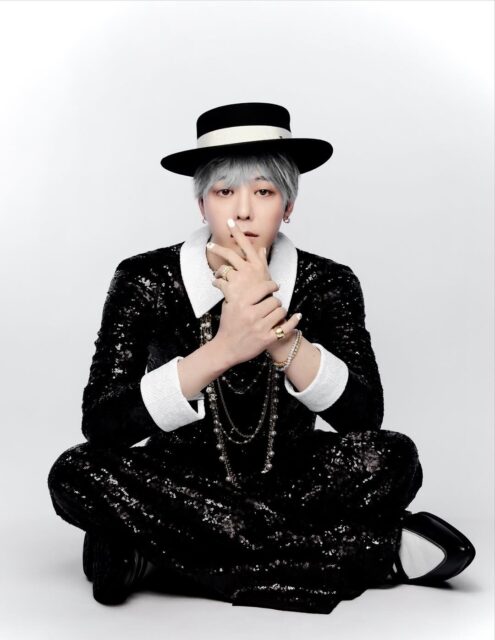
The comments continued to pour in. One fan remarked, “So G-Dragon’s feature is the song she has mixed feelings about? Making fools of all the GD fans who were streaming it. Please, let’s never get involved with each other again.” Another added, “This needs clarification. If it was because of the feature, that’s f*cking thoughtless.”
G-Dragon’s fans expressed their anger not only towards Karina but also towards aespa as a whole, with some declaring they hated the group even more than other K-pop giants like HYBE. These strong reactions have certainly ignited a wider conversation about the treatment of senior artists by younger groups and the pressures of maintaining respect in the K-pop industry.
At the heart of this controversy is the delicate balance K-pop idols must strike in managing their public personas, especially when collaborating with figures as prominent as G-Dragon. His legacy and influence in the Korean music scene are undeniable, which makes any perceived disrespect more sensitive. Whether Karina intended to downplay his presence or simply made an unfortunate choice of words remains unclear, but the damage to her image, especially within G-Dragon’s fandom, appears to be significant.

The situation has sparked further debate about how collaborations in the K-pop industry are often fraught with complicated dynamics. While the nature of the industry calls for fan engagement and attention, the way artists communicate and address fan concerns can easily be misinterpreted. For aespa, this backlash highlights the challenges of appeasing a global fanbase with vastly differing opinions on who deserves respect and how much of it is owed.
In the aftermath, the key question remains whether Karina will issue a formal apology or clarification to smooth over the tensions. As the situation unfolds, both aespa’s and G-Dragon’s fandoms are left to grapple with the fallout of a seemingly innocent message that has quickly spiraled into a larger public controversy.