BTS, the South Korean boy band that has dominated the global music scene with record-breaking streams, sold-out arenas, and an enormous international fanbase, recently found themselves at the centre of a shocking and controversial moment on American national television. The incident, which has sparked widespread outrage among fans, occurred during a broadcast on KJTV, a Channel 34 affiliate of Fox Broadcasting Company, while the station was covering the group’s recent collaboration with Oreo.

The segment began innocuously enough, with the anchors discussing the newly released BTS-themed cookies. However, what followed left viewers stunned. Anchor James Eppler openly admitted he could not name a single BTS song, a statement quickly echoed by his co-anchor.
“You know, a BTS-themed cookie, and honestly, I couldn’t name one BTS song,” Eppler said plainly on air. His female colleague chimed in, adding, “Me neither, and it baffles me. I mean, I’m sure they’re great. Obviously, they keep winning every award and are always trending, but I literally can’t name one song.”
The segment took an even darker turn when Eppler discussed the cookie designs. He remarked that the 13 cookie designs, which together spell out a message to fans, allegedly read: “Death to America.” “Which I think is really strange,” Eppler added. His comments were met with immediate backlash online, as fans and observers accused him and his co-anchor of being disrespectful and even racist.
Social media erupted almost instantly after the broadcast, with fans condemning the anchors for mocking BTS while simultaneously admitting their lack of knowledge about the group’s music. Many described the moment as humiliating, embarrassing, and entirely inappropriate, particularly considering BTS’s international acclaim and unprecedented influence in the music industry. The band, often hailed as one of the most successful pop acts in the world, has achieved feats many Western artists only dream of, including topping global charts and winning prestigious awards such as the Billboard Music Awards and American Music Awards.
The incident has sparked a broader conversation about how Asian artists, particularly K-pop acts, are perceived in Western media. While BTS has amassed a devoted fanbase known as ARMY, whose members span across continents, moments like this highlight the persistent cultural ignorance and stereotyping that can occur even in mainstream media. Many fans have called out KJTV and the anchors for perpetuating harmful narratives and failing to show the respect and recognition BTS deserves.

Some commentators have attempted to contextualize the awkward exchange as a reflection of how BTS and other K-pop acts are still fighting for understanding and recognition outside Asia. Despite BTS’s historic achievements—including breaking YouTube and Spotify records, selling out stadiums across the globe, and being the first K-pop group to address the United Nations—the lack of awareness displayed by the anchors underscores the gap that still exists in mainstream Western media when it comes to fully appreciating international talent.
In response to the controversy, supporters of BTS have flooded social media with messages defending the group and highlighting their accomplishments. Tweets and posts have described the anchors’ remarks as “ignorant,” “embarrassing for national TV,” and “a clear example of cultural disrespect.” Fans have also pointed out the irony of ridiculing a band whose music and message have resonated with millions, transcending language barriers and cultural differences.
Despite the growing online outrage, neither KJTV nor the anchors involved have issued a public response. Media analysts suggest that ignoring the backlash may only fuel further criticism, especially given the global reach of BTS and the vocal nature of their fan community. Meanwhile, BTS continues to thrive, with ongoing projects, tours, and collaborations demonstrating their enduring appeal and influence in the music world.
The episode serves as a stark reminder of the challenges faced by international artists navigating Western media spaces. It also highlights the ongoing need for media professionals to approach global pop culture with knowledge, respect, and sensitivity. For BTS fans, the incident has only reinforced their commitment to defending the band and ensuring their achievements are recognized on the world stage.
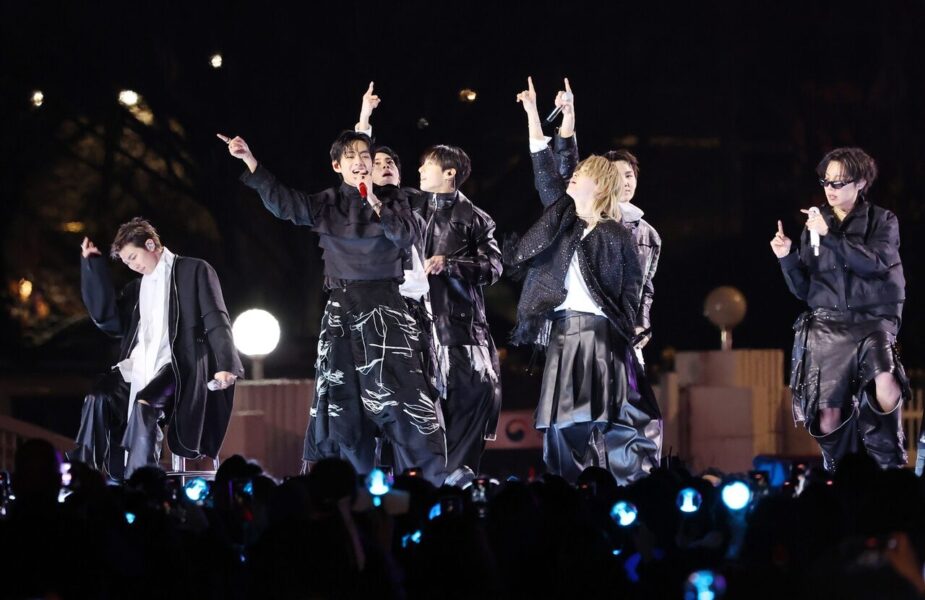
As BTS’s fame continues to expand, moments like this underscore the complex dynamics of cultural exchange, media representation, and fandom in the 21st century. The world may celebrate BTS’s success, but clearly, there remains work to be done in how their artistry is understood and appreciated beyond the borders of South Korea. For now, the group’s fans remain steadfast, united in their support for the artists they admire and determined to call out disrespect wherever it occurs.