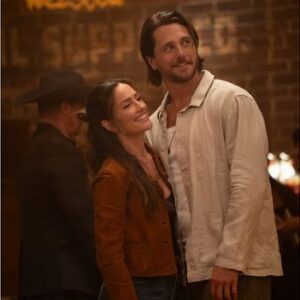
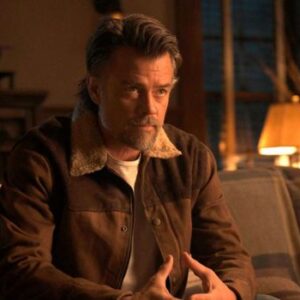
Marc Menchaca, known for his role in Dutton Ranch, brings a compelling depth to his portrayal of Zachariah Moss, a devout ex-con navigating life on the expansive Texas ranch. As the series unfolds, viewers see Moss become an integral part of Beth Dutton’s (Kelly Reilly) and Rip Wheeler’s (Cole Hauser) efforts to expand their empire. Introduced to the ranch on the recommendation of foreman Azul Ramos (J.R. Villarreal), Moss is a character whose past continues to shape his present. He was imprisoned for the accidental death of his girlfriend, Theresa “Terry Jo,” during a drunken argument, and even after finding faith, the weight of this event remains with him.
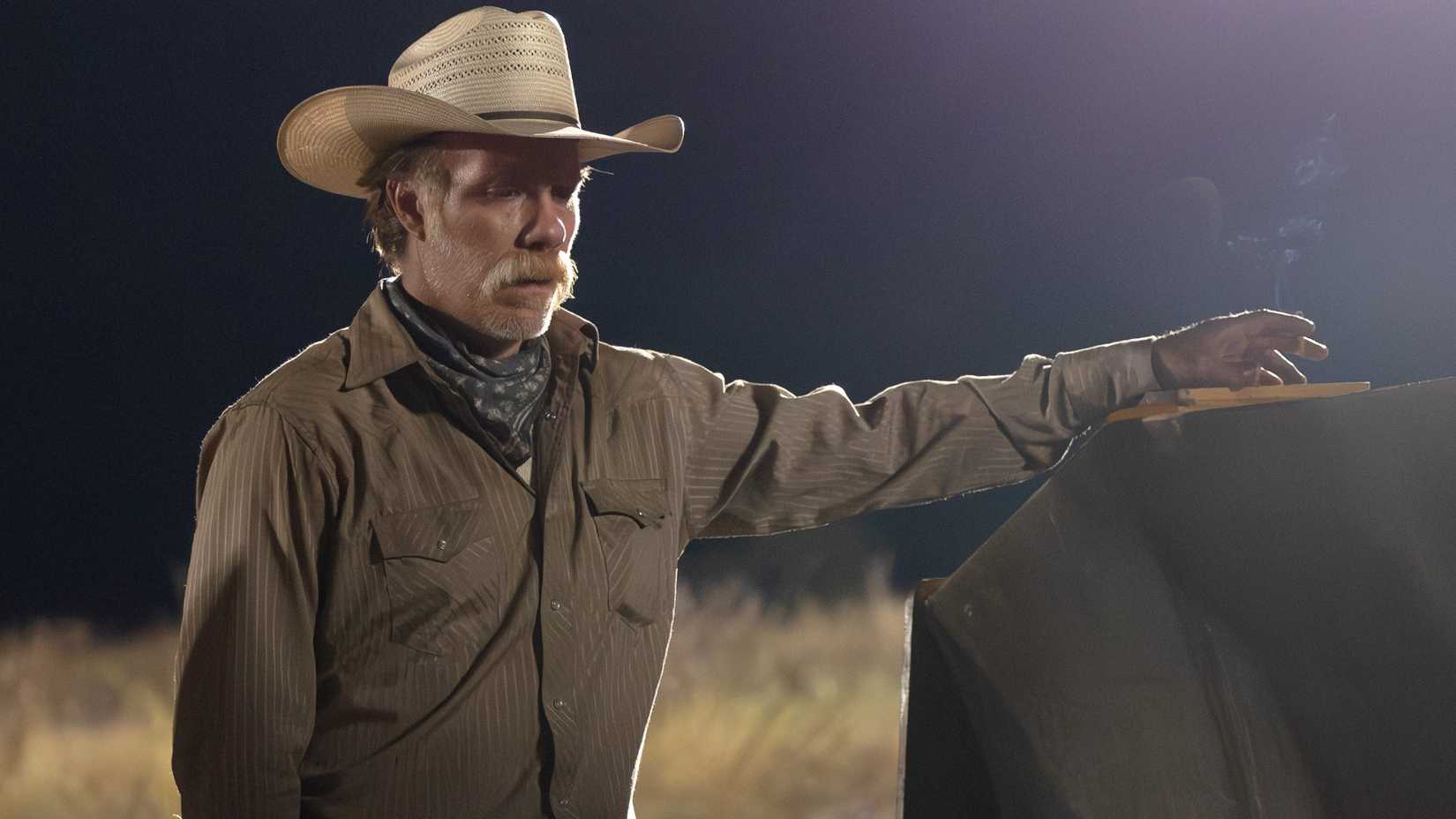
Menchaca emphasizes that Moss’s conversion to Christianity in prison has not fully absolved him of the guilt he carries. “Even though he is now a Christian, I don’t think he’s ever really forgiven himself for what happened,” Menchaca explains. Moss’s penitence remains an undercurrent throughout the series, influencing his relationships and decisions. Despite having a fresh start and a family in Rio Paloma, Terry Jo’s memory still lingers. The town itself presents challenges, as not everyone is willing to accept Moss back. Menchaca notes, “The people who know his past are a little skeptical of him. Zach knows he’s going to run into people who were affected by his actions.” His reintegration into the community is fraught with tension, highlighting the difficulty of reconciling a troubled past with a hopeful present.
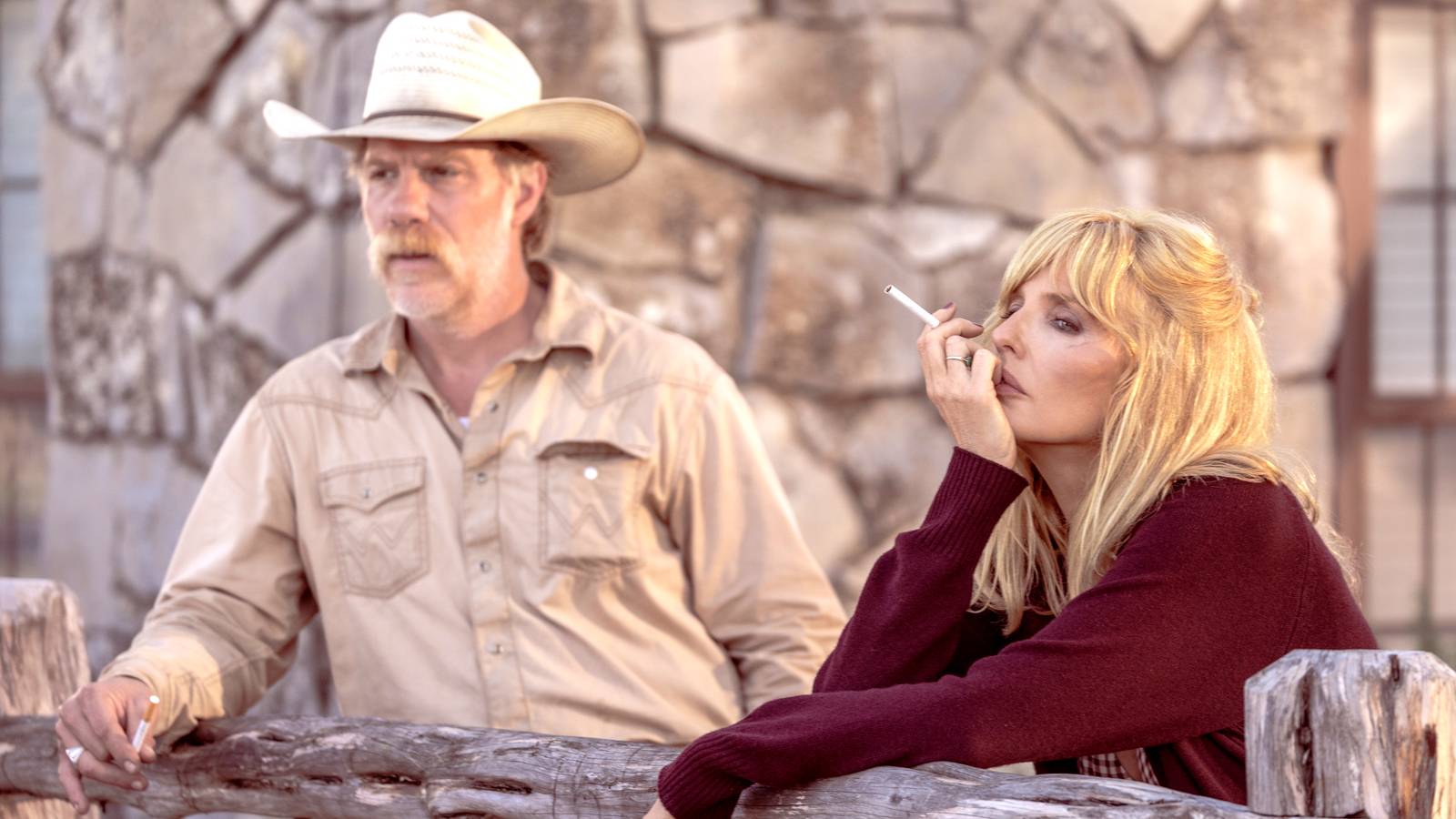
Beth Dutton plays a pivotal role in Moss’s journey, showing fierce loyalty to those she considers family. In one memorable scene from the episode “Peaceful Find Peace,” Beth and Moss share a quiet moment, overlooking the land once home to a thriving cattle herd. Menchaca recalls the care that went into shaping this moment. “Kelly really fought for that scene to be done,” he says. Both actors collaborated closely to ensure that the scene captured the essence of their characters’ evolving relationship. Ultimately, it was important that Beth be the one to help Moss feel at home in a place that isn’t his own. This moment of connection becomes a cornerstone in Moss’s path toward belonging and healing.
Menchaca describes the experience of working on the series as immersive and fulfilling. He shares that his time in cowboy camp was particularly enjoyable. “If that was my job, they wouldn’t have to pay me a penny. I could just do cowboy camp for the rest of my life,” he laughs. Cowboy skills, from roping to horsemanship, were central to preparing the actors for life on the ranch. Menchaca recounts challenges with his horse, who would occasionally be spooked by ropes or objects like trash cans. Through persistence and training, he built a trusting partnership with the animal, an experience that mirrors the broader theme of earning trust and redemption within the narrative.

Zach’s faith, discovered during his time in prison, is a crucial aspect of his character. Menchaca reflects on the nature of Moss’s “come to Jesus” moment, describing it as a rapid but profound realization. While initially driven by guilt and a desire for atonement, Moss’s spirituality becomes a guiding force. Alcohol, a recurring struggle in his past, further complicated his journey, and it was through surrendering to his faith that he began to address these challenges. This spiritual foundation helps explain why Rip Wheeler ultimately trusts Moss, despite his criminal record. Menchaca notes that Rip’s decision was informed not only by a recommendation but also by the realization that Moss’s demeanor and character were genuine.
Rip’s trust, combined with Beth’s protective instincts, allows Moss to navigate a community that is still wary of him. Even as he builds relationships, the memory of Terry Jo remains close. Menchaca highlights the ongoing tension of Moss’s reintegration, emphasizing the realistic portrayal of a character grappling with past mistakes while striving for redemption. Moss’s relationship with Beth is also significant in showing his ability to connect on a deeper level. While Beth views the land itself as sacred, Moss respects her perspective without imposing his beliefs. Menchaca explains that Zach’s acknowledgment, suggesting that land is as good a god as any, reflects both his respect for her worldview and his own contemplation of larger spiritual truths.
The partnership between Menchaca and Reilly adds further depth to the series. Their long-standing personal connection and professional trust enrich their on-screen chemistry. Menchaca describes Reilly as a champion for her co-stars, willing to collaborate and refine scenes to best serve the characters. This collaborative spirit ensures that moments like the quiet smoke on the ridge resonate emotionally, highlighting Moss’s journey toward acceptance and self-forgiveness. In these interactions, viewers witness the complexity of human emotion, the struggle with personal demons, and the hope for reconciliation that defines Moss’s character arc.
Ultimately, Zachariah Moss is a character shaped by both his past and his faith, navigating a world that is often skeptical of his redemption. Through Menchaca’s nuanced performance, audiences gain insight into a man who seeks to reconcile guilt with belief, isolation with belonging, and loss with the possibility of renewal. The series portrays Moss’s journey with a balance of realism and empathy, reflecting the challenges of re-entering society after incarceration and the transformative power of connection, faith, and understanding. Menchaca’s portrayal ensures that Moss’s story resonates with authenticity, offering viewers a complex, multidimensional character whose faith and humanity leave a lasting impression.