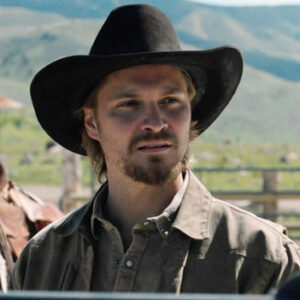
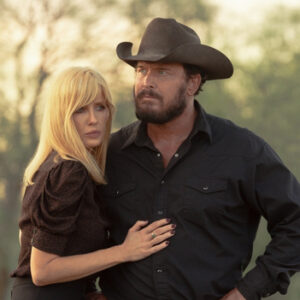
Following the monumental success of “Yellowstone,” the task of producing spin-offs that capture the same intensity and charm was never going to be easy. Paramount took the gamble, launching two series: CBS’s procedural “Marshals,” starring Luke Grimes, and “Dutton Ranch,” led by Kelly Reilly and Cole Hauser. From the outset, however, the results have been starkly different, with “Dutton Ranch” proving to be the superior successor despite just a single episode airing.
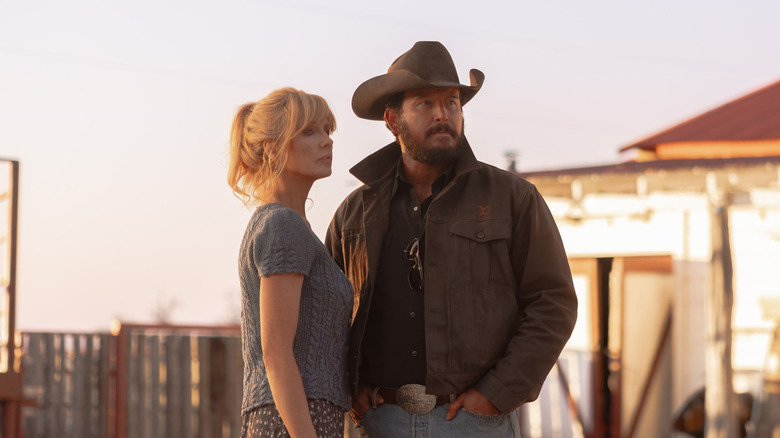
“Marshals” stumbled from the beginning, igniting controversy by abruptly killing off a beloved “Yellowstone” character in a way that fans found shocking and poorly executed. The series has struggled to find its identity, and even as the first season approaches its conclusion, it still seems uncertain of what it wants to be. By contrast, “Dutton Ranch” delivers a confident and focused premiere, instantly reminding viewers why they were drawn to the Dutton saga in the first place.
The opening scene of “Dutton Ranch” immediately sets the tone. Beth Dutton, played by Kelly Reilly, and Rip Wheeler, portrayed by Cole Hauser, are seen evacuating their Montana ranch with their adopted son Carter, played by Finn Little, as a wildfire rages dangerously close. The sequence is breathtaking, combining spectacular visual effects with an almost apocalyptic sense of urgency. It symbolically signals the end of one chapter and the beginning of a new adventure for the Dutton family, giving audiences both action and emotion in equal measure.
Unfortunately, “Marshals” is unable to match this intensity. Its premiere squanders the talents of guest star Chad Michael Collins and fails to produce even one sequence as gripping as the wildfire scene in “Dutton Ranch.” Beyond just the visuals, the storytelling focus of “Dutton Ranch” gives it an advantage. While both shows feature former “Yellowstone” characters navigating new lives with teenage sons, “Marshals” barely utilizes Tate Dutton, leaving him absent for most of the season. His sporadic appearances diminish the emotional impact and make the father-son dynamic feel underdeveloped. In comparison, Carter in “Dutton Ranch” immediately becomes central to the story, struggling to adapt to his new Texas surroundings and even stepping in to stop a violent altercation, grounding the series in relatable stakes from the very start.
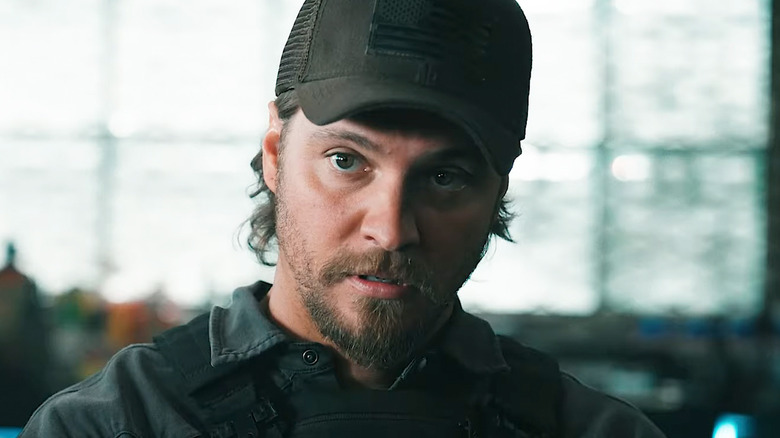
The lack of focus plagues “Marshals” in other ways, too. Each episode seems to jump from one storyline to another without fully committing to any of them. Kayce Dutton’s romantic entanglements, explorations of the Dutton family legacy, and the introduction of new characters are scattered, leaving the narrative feeling chaotic. A brief subplot involving a “serial bomber” appears and vanishes without resolution. Moreover, the main antagonist, Randall Clegg, played by Michael Cudlitz, is introduced but largely sidelined until his abrupt exit in a later episode, undermining the tension and stakes that should drive a procedural drama.
“Dutton Ranch,” however, wastes no time establishing its narrative and conflicts. Annette Bening’s character, Beulah Jackson, owner of the 10 Petal Ranch, is immediately positioned as a formidable adversary to Beth and Rip. This early setup allows for clear storylines and immediate tension, something “Marshals” struggles to deliver. The new series embraces the melodrama and intensity that made “Yellowstone” so addictive, ensuring that even the action-heavy sequences carry emotional weight.
In addition to its narrative strength, “Dutton Ranch” also preserves the snappy, witty dialogue that fans associate with Taylor Sheridan’s work. Moments like Rip’s blunt warning to Beth about the approaching wildfire — “Too f****** close, honey” — capture the Sheridan magic. These lines, while not literary masterpieces, perfectly capture the blend of intensity, dark humor, and grounded emotion that made “Yellowstone” resonate with audiences.
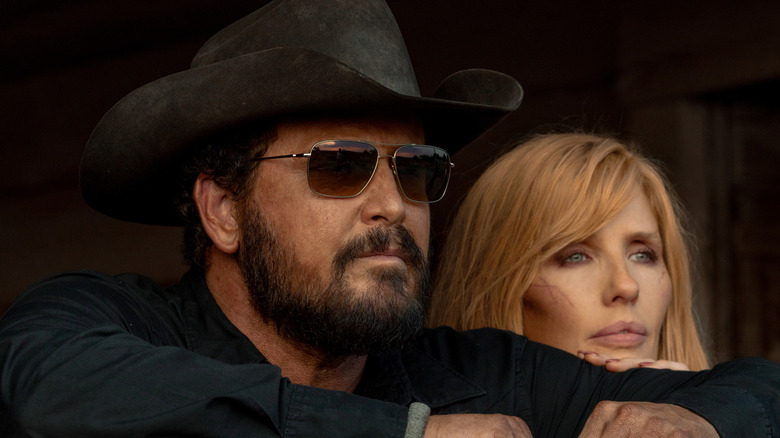
The procedural format may be partially to blame for “Marshals” shortcomings. Even with a talented cast and high production values, the show struggles to balance network expectations with the kind of emotionally charged storytelling fans crave. Meanwhile, “Dutton Ranch” immediately demonstrates that it understands the delicate mix of drama, action, and character development that defines the Dutton universe. The premiere delivers both spectacle and story, leaving viewers eager for more, while “Marshals,” despite its popularity and immediate renewal, risks long-term damage if its inconsistent writing continues.
In short, “Dutton Ranch” is a clear winner. From the opening sequence to the character-driven storytelling and sharp dialogue, it delivers a faithful and compelling continuation of the “Yellowstone” legacy. “Marshals,” on the other hand, remains unfocused, struggling to find its voice even as its audience grows. While CBS may have the numbers, the creative triumph belongs to “Dutton Ranch,” proving that understanding the essence of Sheridan’s world is just as important as star power or network backing. The Dutton saga is alive, well, and thriving in its newest incarnation, leaving “Marshals” scrambling to catch up.