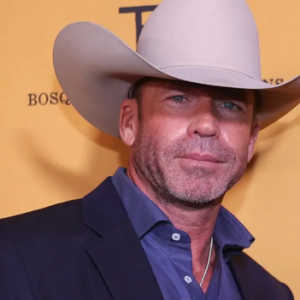
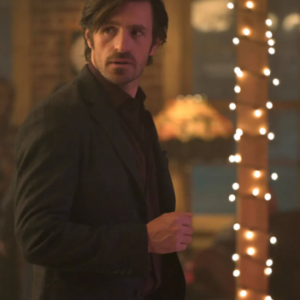
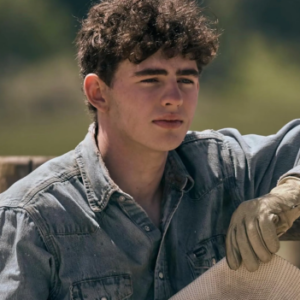
For three decades, Zahn McClarnon was the actor whose face you recognized instantly but whose name rarely lingered on your tongue. He appeared in blockbuster series and critically acclaimed dramas—**Fargo**, **Westworld**, **Longmire**, **The Son**, **Reservation Dogs**, and even the Marvel Cinematic Universe—delivering performances so grounded and memorable that viewers felt an odd sense of familiarity. He was always solid: the stoic tribal police chief, the haunted hitman, the wise Ghost Nation leader speaking in Lakota. Yet for most of his career, he hovered in the supporting ranks, a reliable presence rather than the name above the title. Hollywood saw the talent. It just took far too long to give him the spotlight he deserved.
At nearly 60, everything changed with **Dark Winds**. Since 2022, McClarnon has starred as Lieutenant Joe Leaphorn in AMC’s acclaimed Navajo Nation-set psychological thriller, based on Tony Hillerman’s novels. He is not only the lead but also an executive producer. For the first time in his long career, he sits at the top of the call sheet—a position that should have come decades earlier. Season 4, which aired its finale recently, has only amplified the praise, with McClarnon bringing profound depth to Leaphorn’s struggles with grief, marriage, cultural balance (the Diné concept of *hózhó*), and the weight of leadership on the reservation. At 59, he is finally the anchor of a hit series, proving that quiet persistence can outlast flashier trajectories.
Born Zahn Tokiya-ku McClarnon on October 24, 1966, in Denver, Colorado, he carries a rich, blended heritage. His mother is Hunkpapa Lakota (with ties to Standing Rock and Blackfeet reservations), and his father is of Irish, Polish, and Scottish descent, a National Park Service worker whose job moved the family across states including Montana, Nebraska, South Dakota, and Minnesota. McClarnon has described his childhood as “rough,” split between reservation visits with maternal grandparents and life in predominantly white Midwest communities. His middle name, Tokiya-ku, loosely translates to “first one to come,” given because he was the first-born of fraternal twins. These early experiences—navigating two cultures, observing quiet strength amid hardship—later infused his acting with authenticity and emotional restraint.

McClarnon’s entry into acting came in the early 1990s, inspired in part by the success of *Dances with Wolves* (1990), which opened doors for Native talent. He started with small guest spots on shows like *Murphy Brown*, *Dr. Quinn, Medicine Woman*, *Walker, Texas Ranger*, *Baywatch*, and *NYPD Blue*. These were the kinds of roles many actors of his generation accepted out of necessity: the “Indian” character, often stoic or peripheral. There weren’t many opportunities for depth or lead roles for Native actors at the time. “There weren’t many Native actors, and we weren’t given many chances,” he has reflected. He paid dues in bit parts while honing his craft, moving to Los Angeles with determination but no guarantees.
The turning points arrived gradually. In 2012, he joined *Longmire* as Tribal Police Chief Mathias, a recurring role that showcased his commanding presence over five seasons. Then came 2015’s *Fargo* Season 2, where his portrayal of Hanzee Dent—a traumatized Vietnam veteran turned enforcer—earned widespread acclaim. Critics hailed it as haunting and revelatory; McClarnon brought layers of menace, sorrow, and complexity to a character who could have been one-dimensional. It was a breakout that made people take notice.
Three years later, HBO’s *Westworld* Season 2 delivered another landmark. As Akecheta, leader of the Ghost Nation, McClarnon anchored the episode “Kiksuya” (“Remember” in Lakota), largely performed in the Lakota language. The performance was poetic and powerful, exploring themes of memory, identity, and resistance. It remains one of the series’ most praised episodes and highlighted McClarnon’s ability to convey profound emotion with minimal dialogue. Around the same time, he appeared in *The Son* as Toshaway and later in *Reservation Dogs* as Officer Big, a role that blended humor and heart in a groundbreaking Indigenous ensemble series. He also joined the MCU as William Lopez in *Hawkeye* and *Echo*.
Despite these highlights, McClarnon remained largely a “that guy” actor—the face you knew from “everything” but whose name escaped casual recall. He was dependable, versatile, and deeply respected within the industry, yet mainstream stardom eluded him. In interviews, he speaks without bitterness about the long road, attributing it partly to the era’s limited opportunities for Native performers and the slow evolution of Hollywood’s storytelling. He has always identified simply as a human being first, drawing from both his Lakota roots and mixed heritage to inform nuanced portrayals that avoid stereotypes.
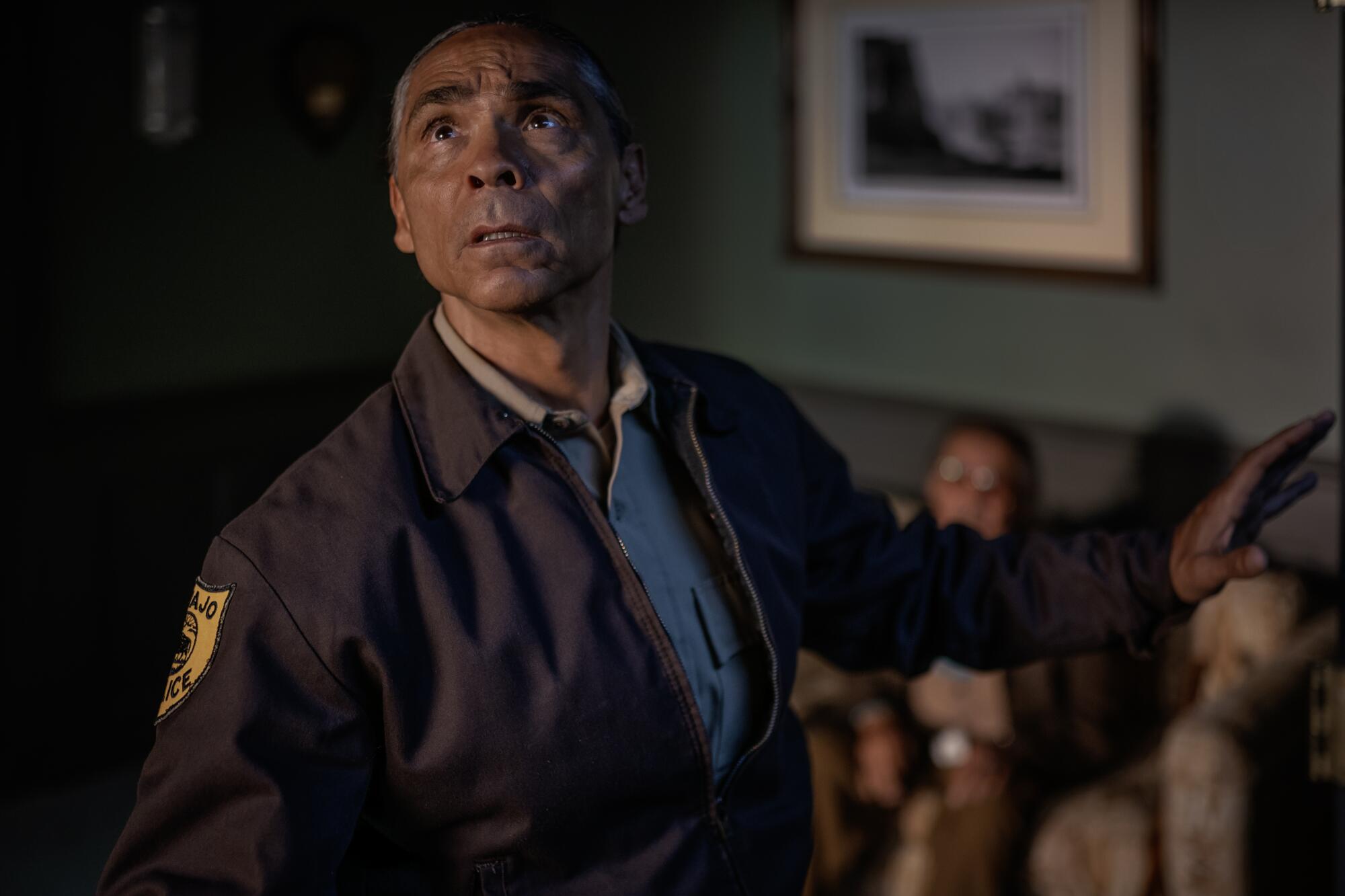
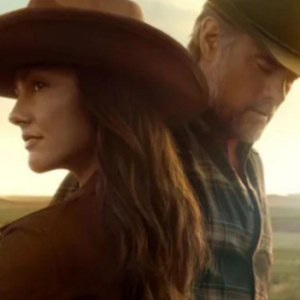
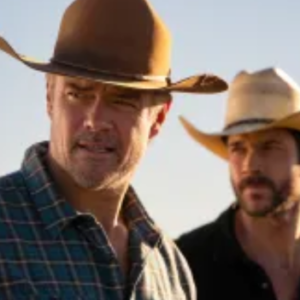
Then *Dark Winds* arrived. Executive produced by the late Robert Redford and George R.R. Martin, the series is set in the 1970s on a remote corner of the Navajo Nation near Monument Valley. McClarnon stars as Joe Leaphorn, a dedicated but haunted tribal police lieutenant investigating crimes while grappling with personal loss—most poignantly the death of his son—and the tensions between tradition and modernity. The role demands everything McClarnon excels at: quiet intensity, moral complexity, cultural authenticity, and emotional vulnerability beneath a stoic exterior. He has also taken on directing duties, including an episode in Season 4, drawing lessons from mentors and his own experiences.
What makes his ascent especially poignant is how it almost didn’t happen this way—or at least, how long it took. McClarnon has spoken movingly about the emotional weight of finally leading a series. In one revealing Los Angeles Times interview, he choked up discussing the people who supported him early on, including memories of his father. “Sorry. Sometimes talking about these people that started me in this business chokes me up a little bit,” he said, pausing as emotion overtook him. He has described blurred lines between his character’s trauma and his own reflections, particularly in Season 3 episodes exploring suppressed memories of abuse in the community—a theme handled with care and cultural sensitivity.
The “unexpected encounter” that every time Zahn recounts it brings him to tears appears tied to these reflections on legacy, mentorship, and the mentors or family figures who believed in him when opportunities were scarce. Whether recalling a pivotal conversation with industry veterans, a moment on set with Anthony Hopkins (whom he has called a “master”), or personal family connections that grounded him, these stories surface with raw gratitude. In another context, he has teared up remembering the presence of masters and the long days that stir deep emotions about his path and his “pops.” It’s a vulnerability that contrasts with his on-screen reserve, humanizing the actor who spent decades perfecting controlled performances.
At its core, McClarnon’s story is about more than personal success. It reflects broader shifts in Hollywood toward authentic Indigenous representation. *Dark Winds* and *Reservation Dogs* have allowed Native creators and actors to tell their own stories in positive, non-stereotypical ways—focusing on complexity, community, humor, and resilience rather than tropes. McClarnon has emphasized how audiences, especially Indigenous viewers, are finally seeing themselves reflected accurately on screen. He hopes the work contributes to *hózhó*—balance and beauty—not just for characters but for the industry and culture at large.
Now in his late 50s, with Season 4 of *Dark Winds* delivering high-stakes drama (including confrontations with assassins, family strains, and cultural rituals), McClarnon shows no signs of slowing. He continues to balance acting, producing, and directing while maintaining a low-key personal life. Colleagues describe him as collaborative and insightful, someone who motivates others from deep knowledge of craft. Co-stars on *Dark Winds* have praised his directing debut for understanding actor dynamics and cultural nuances.
Zahn McClarnon’s journey—from guest spots in the ’90s to topping the call sheet in a prestige drama—is a testament to endurance. Hollywood didn’t miss him entirely; it just took its time catching up. In an industry that often rewards the loud and the young, his quiet, steady rise feels like justice. Viewers who once knew the face without the name now seek out his work, drawn to performances that linger long after the credits roll.
As Leaphorn searches for balance amid chaos, McClarnon seems to have found a measure of his own. At an age when many actors reflect on what might have been, he is living the chapter he waited for—solid, unmistakable, and finally, undeniably, at the center of the story. With tears in his eyes when recounting the unexpected kindnesses and hard-won breaks along the way, he reminds us that some stars burn slow and steady, illuminating the path not just for themselves but for those who follow.