*Marshals*, the latest addition to Taylor Sheridan’s sprawling Yellowstone universe, wrapped its 13-episode first season on CBS and Paramount+ last month with a finale that left viewers unsettled rather than satisfied. While the series — which follows Luke Grimes’ Kayce Dutton as he transitions from ranch life to an elite U.S. Marshals unit in Montana — was not without its shortcomings, it has quietly established a rich foundation for what could become one of the franchise’s most ambitious storylines yet. Beneath the procedural elements and occasional pacing issues, Season 1 planted seeds of danger, moral ambiguity, and unresolved threats centered on Broken Rock Reservation and Kayce’s personal demons that are only now coming into sharper focus.
Premiering on March 1, 2026, *Marshals* picks up roughly a year after the events of *Yellowstone*’s conclusion. Kayce, still grieving the loss of his wife Monica and navigating single parenthood with his son Tate (Brecken Merrill), is approached by his former Navy SEAL teammate Pete “Cal” Calvin (Logan Marshall-Green). The offer: join a specialized Marshals task force focused on the volatile intersections of federal law, tribal lands, and rural crime in Montana. What begins as a straightforward law-enforcement drama quickly layers in the neo-Western themes that made the original series a phenomenon — land disputes, cultural clashes, and the psychological toll of violence.

Critics and audiences alike have noted the show’s uneven tone. With an IMDb rating hovering around 6.1 and mixed Rotten Tomatoes scores, *Marshals* struggled at times to balance high-octane procedural cases with the slower, character-driven introspection that defined Kayce’s arc in *Yellowstone*. Some episodes leaned too heavily into familiar cop-show tropes, while others felt rushed in their introduction of new team members: Arielle Kebbel as Belle Skinner, Ash Santos as Andrea Cruz, and Tatanka Means as Miles Kittle. Yet these flaws, rather than derailing the season, appear in hindsight to have served a larger purpose — building a world that feels lived-in and ready for escalation.
At the heart of it all is Kayce Dutton. Grimes delivers a restrained, internalized performance that carries the weight of a man torn between his warrior past and his desire for peace. The season opener reintroduces Kayce in a state of quiet turmoil, raising Tate amid the echoes of family legacy. His integration into the Marshals unit is not seamless; early episodes highlight friction with both new colleagues and remnants of his old life, including brief but meaningful appearances by Gil Birmingham and Mo Brings Plenty reprising their roles as tribal police chief Thomas Rainwater and his associate.
The growing dangers in and around Broken Rock Reservation form the season’s simmering undercurrent. What starts as isolated cases — drug trafficking, cattle rustling with modern twists, and disputes over resource rights — gradually reveals a more organized threat. By mid-season, hints emerge of a larger network involving external interests exploiting tribal lands, possibly tied to energy development or cross-border criminal enterprises. These threads culminate in a finale that refuses easy resolution: a botched operation leaves loose ends, a key witness goes missing, and Kayce faces a personal ethical crossroads that echoes his past moral compromises on the Yellowstone.
One particularly overlooked detail from Episode 7 now carries new weight. During a seemingly routine briefing, a background map references an obscure parcel of land bordering Broken Rock — land that sharp-eyed fans have connected to earlier Yellowstone lore involving disputed water rights and old alliances. What appeared as set dressing may foreshadow a larger conspiracy involving parties who believed the Dutton era of influence had ended. Similarly, a cryptic phone call received by Cal in Episode 11, dismissed by many viewers as procedural filler, uses phrasing that mirrors language from shadowy figures in the original series. These subtle breadcrumbs suggest the creative team, led by Spencer Hudnut, has been playing a long game.
The unresolved finale has sparked intense online discussion. Rather than providing closure, it ends on a haunting image of Kayce standing alone at a reservation boundary as storm clouds gather — a visual callback to his visionary experiences in *Yellowstone*. Tate is shown in subtle peril, with implications that the dangers Kayce sought to escape by leaving the ranch have followed him into this new role. Fan theories abound: Could a powerful figure from the Duttons’ past be orchestrating events from afar? Is there a mole within the Marshals unit itself? Or might broader Yellowstone universe crossovers — perhaps involving characters from *Dutton Ranch* — come into play?
Television analyst Elena Vargas, who has tracked the franchise closely, sees significant potential. “Season 1 wasn’t aiming for instant gratification,” Vargas noted in a recent interview. “It methodically built Kayce’s new reality while layering institutional and personal threats. The Broken Rock focus expands the world beyond the ranch, allowing exploration of federal-tribal dynamics with greater depth. Those ‘overlooked’ details are now retroactively brilliant — they transform the season from a decent procedural into a carefully constructed setup for something far more explosive.”
The renewal for Season 2, announced shortly after the finale, came as little surprise given solid ratings and the built-in Yellowstone audience. Production sources indicate the next season will lean harder into the serialized elements established in the first, with increased stakes for Kayce’s team and deeper dives into the psychological costs mentioned in the show’s premise. Expect more screen time for Tate’s adjustment struggles and potential romantic or conflicted dynamics for Kayce as he processes his grief.
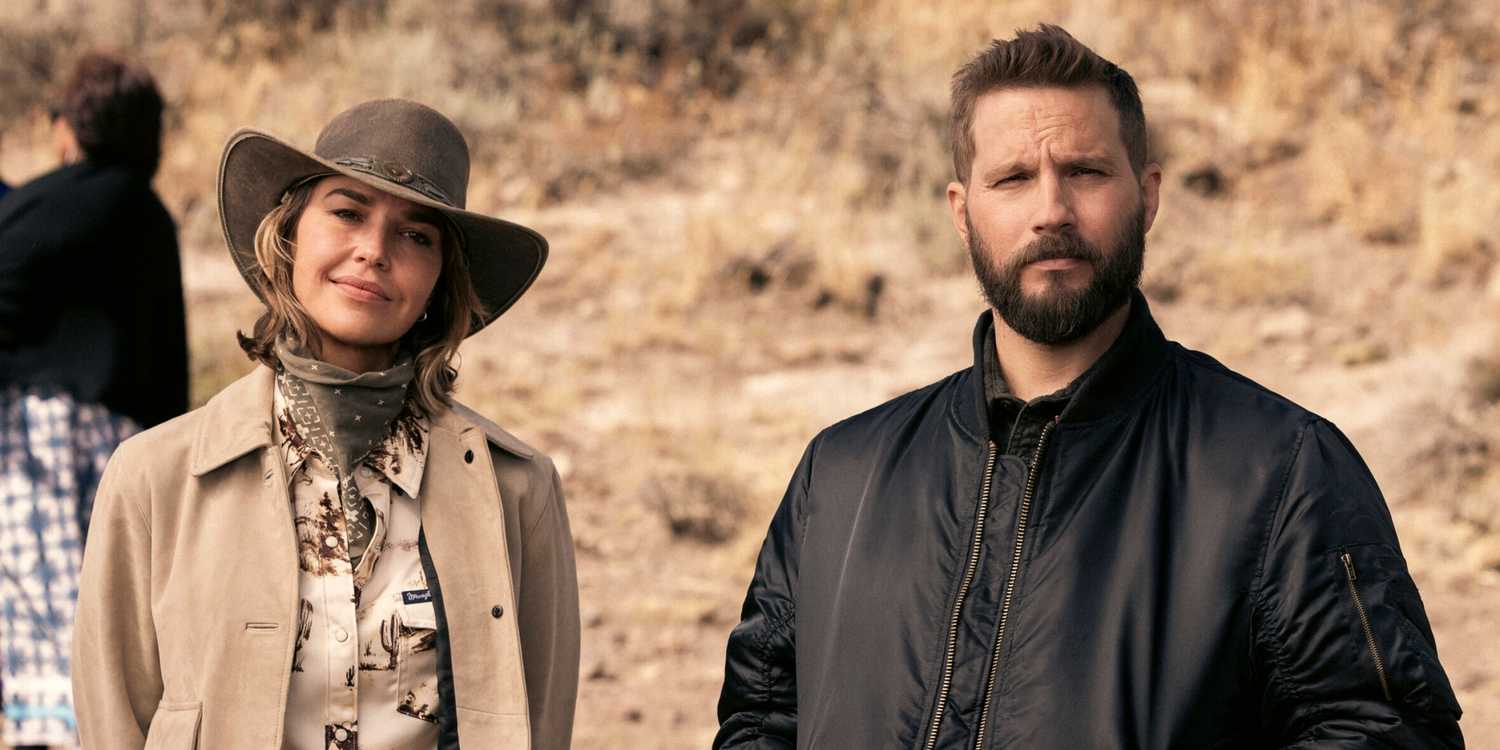
Supporting performances also deserve credit for elevating the material. Marshall-Green brings charismatic intensity to Cal, creating a complex brotherly dynamic with Kayce that feels authentic to their shared SEAL history. Kebbel’s Belle adds emotional nuance, while Santos and Means ground the team in cultural perspectives crucial to the Montana setting. Recurring guest spots from Yellowstone alumni help bridge the worlds without feeling forced.
Yet the season’s imperfections remain instructive. Pacing issues in the middle stretch and occasional dialogue that veered into exposition-heavy territory highlight the challenges of launching a spin-off. Sheridan’s influence is felt more in tone and thematic ambition than in direct oversight, resulting in a show that sometimes prioritizes case-of-the-week structure over the mythic quality of its predecessor. Still, these growing pains may prove beneficial, giving the series room to evolve.
As fans rewatch Season 1 with the finale fresh in mind, previously innocuous scenes are gaining new significance. A throwaway line about “old debts coming due” in Episode 3. A suspicious vehicle spotted near the Marshals’ headquarters in Episode 10. Even Kayce’s recurring nightmares, which blend his combat past with reservation visions, now read as prophetic. These elements suggest the true story of *Marshals* is only beginning — one that could see Kayce confronting threats that endanger not just his team or Broken Rock, but the fragile peace he hoped to build for Tate.
In the broader Yellowstone ecosystem, *Marshals* represents an evolution. By moving Kayce into federal law enforcement, the series opens doors to stories that feel both intimate and expansive. It quietly dismantles the idea that the Dutton legacy ended with the ranch’s shifting ownership, instead repositioning it through Kayce’s service in a changing West.
Whether Season 2 delivers on the promise embedded in Season 1’s foundation remains to be seen. But for a show that many initially approached with cautious optimism, *Marshals* has done more than survive — it has positioned itself as a bridge to potentially game-changing developments. The dangers lurking in Broken Rock, the unresolved threads from the finale, and those newly resonant details all point toward a sophomore season that could redefine Kayce Dutton’s journey and shake the Yellowstone universe in ways fans are only starting to anticipate.
The quiet groundwork has been laid. Now comes the storm.