September 20, 1944.
Arracourt, France.
Morning fog rolled low across the fields of Lorraine, swallowing hedgerows and farmhouses until the countryside looked like a gray ocean. Somewhere inside that fog, German armor was moving.
American tank crews could hear it before they saw it.
The deep metallic growl of engines.
Tracks grinding through wet soil.
Panthers. Possibly Tigers.
Inside the command post of the U.S. Fourth Armored Division, radio traffic was growing tense.
“Enemy armor advancing through the mist.”
“Multiple tanks… cannot confirm numbers.”
“We’re pinned down.”
On a nearby strip of muddy grass that passed for an airfield, a small aircraft sat waiting.
Not a fighter.
Not a bomber.
A fragile observation plane — the Piper L-4 Grasshopper — normally used by artillery spotters to circle quietly above the battlefield and report coordinates.
Its engine produced barely 65 horsepower.
Its skin was fabric stretched over a light metal frame.
In theory, it wasn’t supposed to fight anyone.
But crouched beside the aircraft that morning was Charles Carpenter, a former history teacher who had decided theory was overrated.
Bolted to the wing struts of his tiny plane were six M9 bazooka launchers.
Ground crewmen stared at it the first time he did it.
“You’re putting bazookas on that thing?”
Another pilot shook his head. “Charlie, that’s not an airplane anymore. That’s a flying suicide note.”
Even ordnance specialists warned him.
Bazookas were designed for infantry.
Short range.
Direct line of sight.
Aircraft weren’t supposed to carry them — especially not a slow, fabric-covered observation plane that could barely outrun a truck.
But Carpenter had spent weeks experimenting.
Mounting tubes.
Wiring triggers into the cockpit.
Testing the balance of the wings.
The result looked ridiculous.
A tiny “toy plane” with rockets strapped to its sides.
Soldiers walking past the aircraft laughed openly.
“Hey Charlie,” one tanker joked, “planning to scare the Germans to death?”
Carpenter didn’t laugh.
He climbed into the cockpit, adjusted his helmet, and glanced once more at the fog rolling across the fields where German armor was advancing.
Somewhere out there were tanks — including the terrifying Tiger I — machines weighing over fifty tons, armored so heavily that most American weapons str
Against that kind of steel, a Piper Cub should have been meaningless.
But Car
Tanks were built to fight other tanks.
They were not built to fight something attacking from above…

…especially not something that looked like a child’s kite drifting out of the fog.
Arracourt — The Unexpected Battlefield
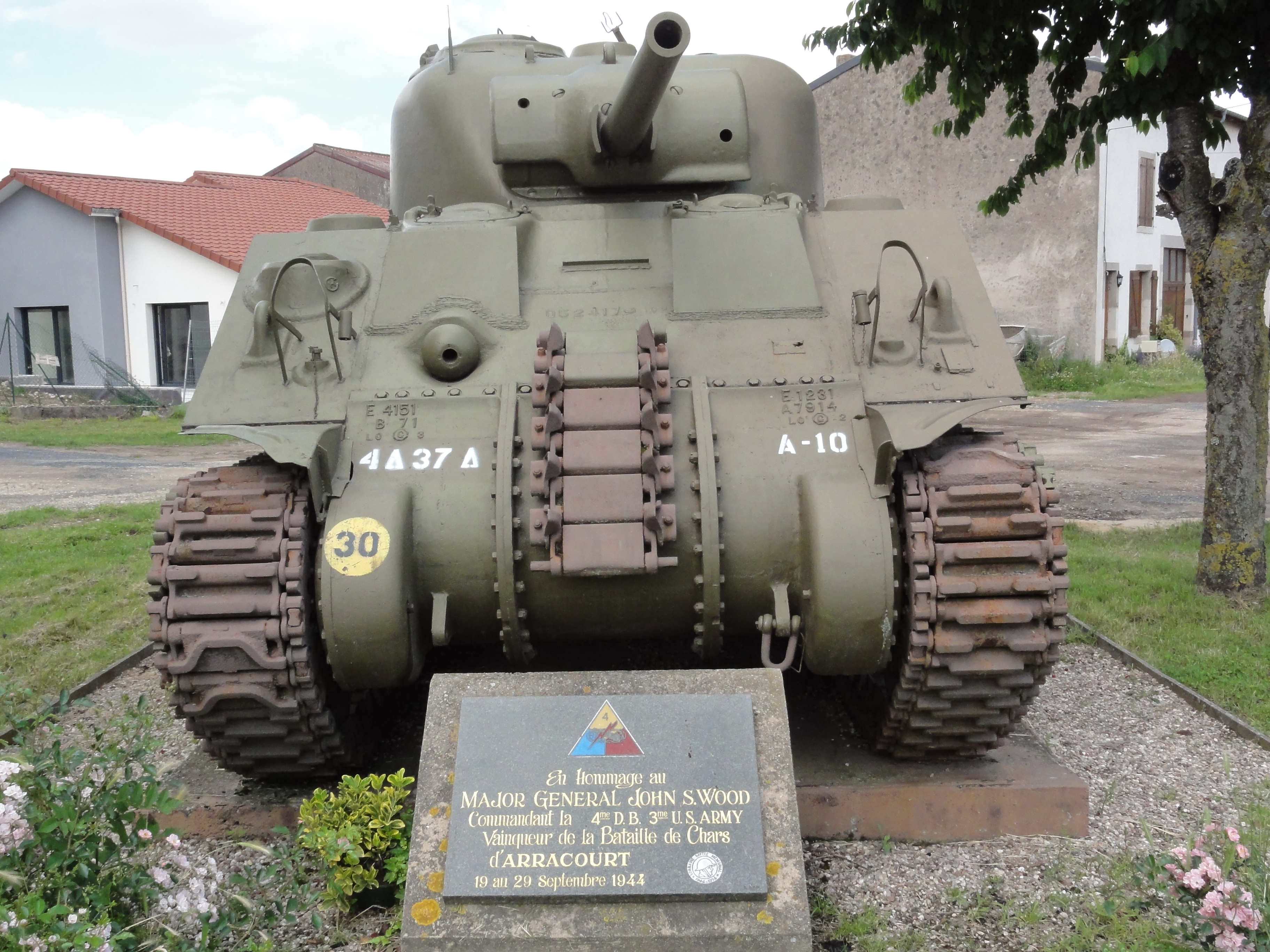


The Battle of Arracourt was already becoming one of the most unusual armored clashes of the war.
American forces of the U.S. 4th Armored Division, part of George S. Patton’s Third Army, had pushed deep into eastern France. In response, the Germans committed powerful new Panther tank units in a desperate attempt to halt the advance.
On paper, the Germans held the advantage.
The Panther tank carried a long 75mm gun capable of destroying American Shermans at long range. Its sloped armor made it extremely difficult to penetrate.
But on September mornings in Lorraine, theory collided with fog.
Visibility dropped to a few hundred yards.
Tank commanders struggled to see their own formations.
And somewhere above the battlefield, flying low enough to nearly brush the hedgerows, was Lieutenant Charles “Bazooka Charlie” Carpenter.
The First Attack
Carpenter eased the tiny Piper L-4 Grasshopper forward.
The aircraft was normally used for artillery spotting — slow, quiet, and lightly built. Its wings were fabric-covered, its structure fragile compared to combat aircraft.
Yet beneath those wings hung six M9 bazooka launchers.
The weapons had been wired to fire from the cockpit using improvised triggers.
Carpenter pushed through the fog at barely 100 miles per hour.
Then he saw them.
German tanks moving along a hedgerow road — dark silhouettes emerging through the mist.
Panthers.
Heavy, angular shapes.
And they were facing the wrong direction.
They were scanning for American tanks.
Not aircraft.
Certainly not something that looked like a farm airplane.
The Dive
Carpenter banked sharply.
His observer shouted through the headset, “You’re too close!”
Carpenter ignored him.
He dropped lower.
Lower still.
At roughly 300 feet, he aligned the aircraft with the rear of the German column.
The rear armor of tanks was always weaker than the front.
Infantry bazooka teams used this weakness whenever possible.
Carpenter intended to do the same thing — from the sky.
He squeezed the trigger.
Two rockets streaked downward.
One exploded harmlessly in the mud.
The second struck the rear deck of a Panther.
The explosion lifted a panel of armor and black smoke burst from the engine compartment.
The tank halted abruptly.
German soldiers scattered.
For several seconds, confusion rippled through the column.
Then someone realized the impossible.
The attack had come from above.
The Flying Bazooka


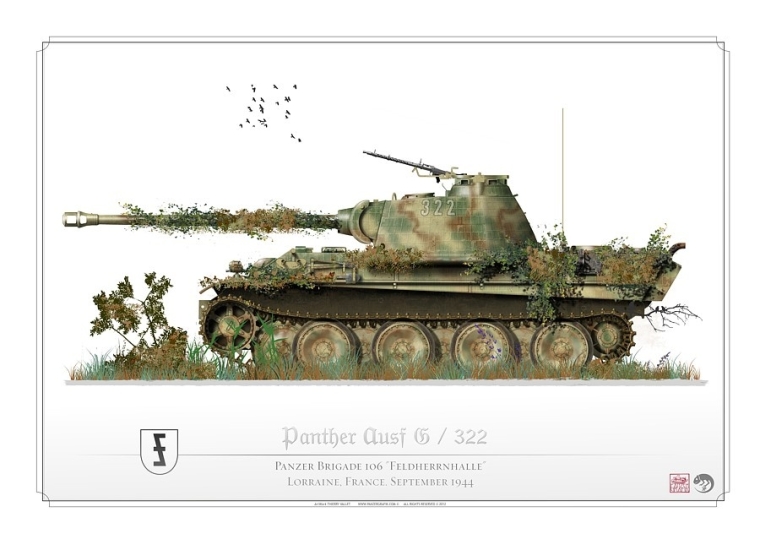
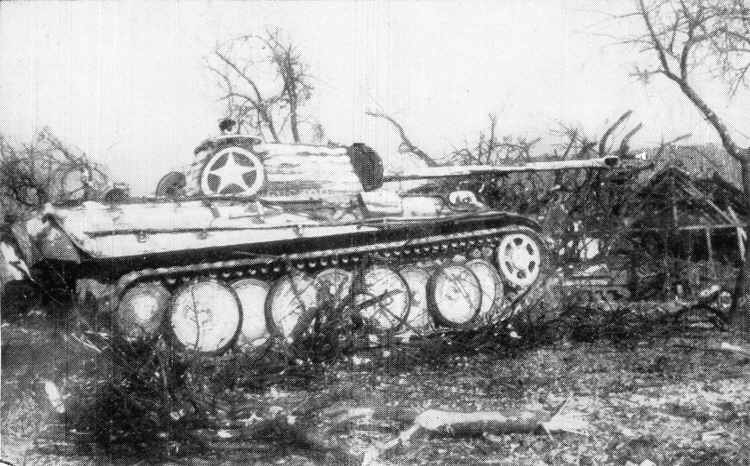
The German tanks reacted too late.
Their turret guns could elevate only so far.
Machine guns sprayed wildly into the sky, but Carpenter’s small aircraft blended with the fog.
He circled once.
Then came back again.
Another pair of rockets launched.
Another explosion.
A second tank stopped moving.
Inside American command posts, radio reports began arriving.
“Enemy armor halted.”
“Unknown aircraft attacking tanks.”
“Repeat — aircraft firing rockets.”
At first, officers thought they had misunderstood.
Then someone mentioned Carpenter.
“Is that crazy schoolteacher up there again?”
Why It Worked
Carpenter’s tactic was reckless.
But it exploited something tank designers had not expected.
Armored vehicles were designed primarily to resist attacks from the front and sides.
Top armor was thin.
Aircraft normally attacked with bombs or cannons — not infantry rockets.
A slow aircraft flying low and firing bazookas from above created an unusual threat.
And the Germans were not prepared for it.
Six Tanks
By the end of the morning, Carpenter had fired every rocket he carried.
Ground observers confirmed several tanks damaged or destroyed.
Over the following days of fighting around Arracourt, he repeated the attacks whenever German armor appeared.
By the end of the campaign, Carpenter and his modified Grasshopper had destroyed or disabled six German tanks and multiple armored vehicles.
His aircraft became famous among American troops.
They nicknamed it “Rosie the Rocketer.”
German soldiers reportedly gave it another name:
“Der fliegende Bazooka.”
The flying bazooka.
The Larger Battle


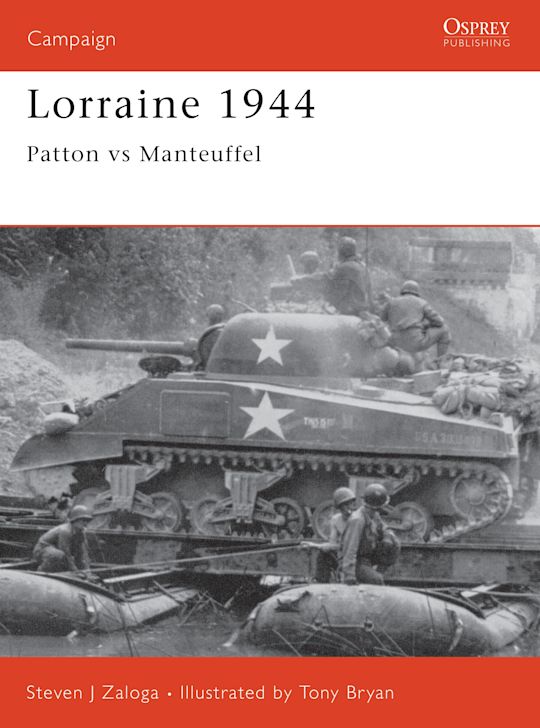
Carpenter’s attacks were only a small part of the Battle of Arracourt.
But the battle itself became one of the largest armored engagements fought by American forces in Western Europe.
Despite facing superior German tanks, U.S. forces achieved a decisive victory.
Several factors made the difference:
• American tank crews used mobility and coordinated maneuvers.
• Fog reduced the Panthers’ long-range advantage.
• American artillery and air support were devastating once the weather cleared.
And sometimes — very occasionally — a tiny observation plane with rockets added chaos to the enemy’s plans.
By late September, German armored counterattacks in Lorraine had collapsed.
Patton’s Third Army continued advancing toward the German border.
Epilogue — The Teacher Who Hunted Tanks
After the war, Charles Carpenter returned to civilian life.
Before the war he had been a history teacher.
After the war he returned to teaching.
Students who listened to him lecture about military history might not have realized that their teacher had once attacked German tanks from a fabric-covered airplane.
His story became one of the more unusual legends of World War II.
Not because he commanded armies.
Not because he flew a powerful fighter.
But because he looked at a tiny observation aircraft — something never meant to fight — and imagined something different.
The Lesson of Arracourt
The German tanks that rolled through the fog on September 20, 1944 expected to face Shermans.
They expected artillery.
They expected infantry.
They did not expect a Piper Cub with bazookas.
And sometimes in war, surprise matters as much as firepower.
Because tanks are designed to fight other tanks.
They are not designed to fight a schoolteacher in a flying kite.
Yet on that foggy morning in Lorraine, that is exactly what they faced.
And for several German tank crews, it was the last thing they ever saw.