When it comes to adapting beloved romance novels for television, the smallest decisions can spark the biggest reactions. That is exactly what is happening with season two of Heated Rivalry, after creator Jacob Tierney confirmed that a pivotal moment—one that the original novel treated almost in passing—will finally be shown on screen in full.
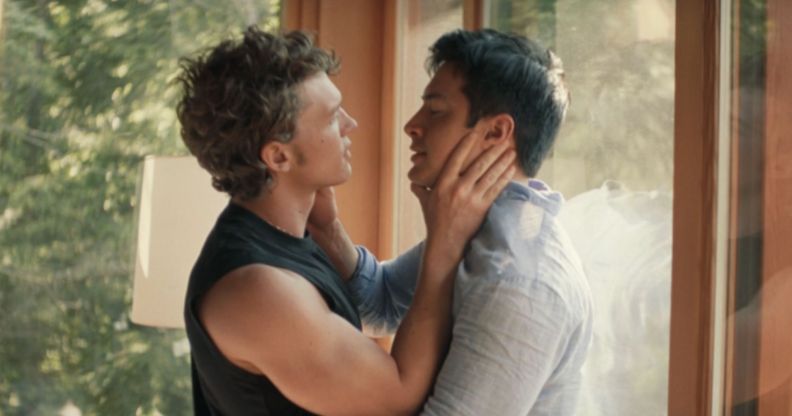
Season two of the hit queer sports drama is set to draw primarily from The Long Game, part of Rachel Reid’s Game Changers series. The story jumps forward ten years, with Shane Hollander and Ilya Rosanov still deeply in love but publicly closeted about their relationship. Book readers know that the tension surrounding secrecy, visibility, and identity has always been central to their dynamic. But there is one specific milestone that fans have long felt deserved more than a brief retrospective mention: Shane coming out to his teammates.
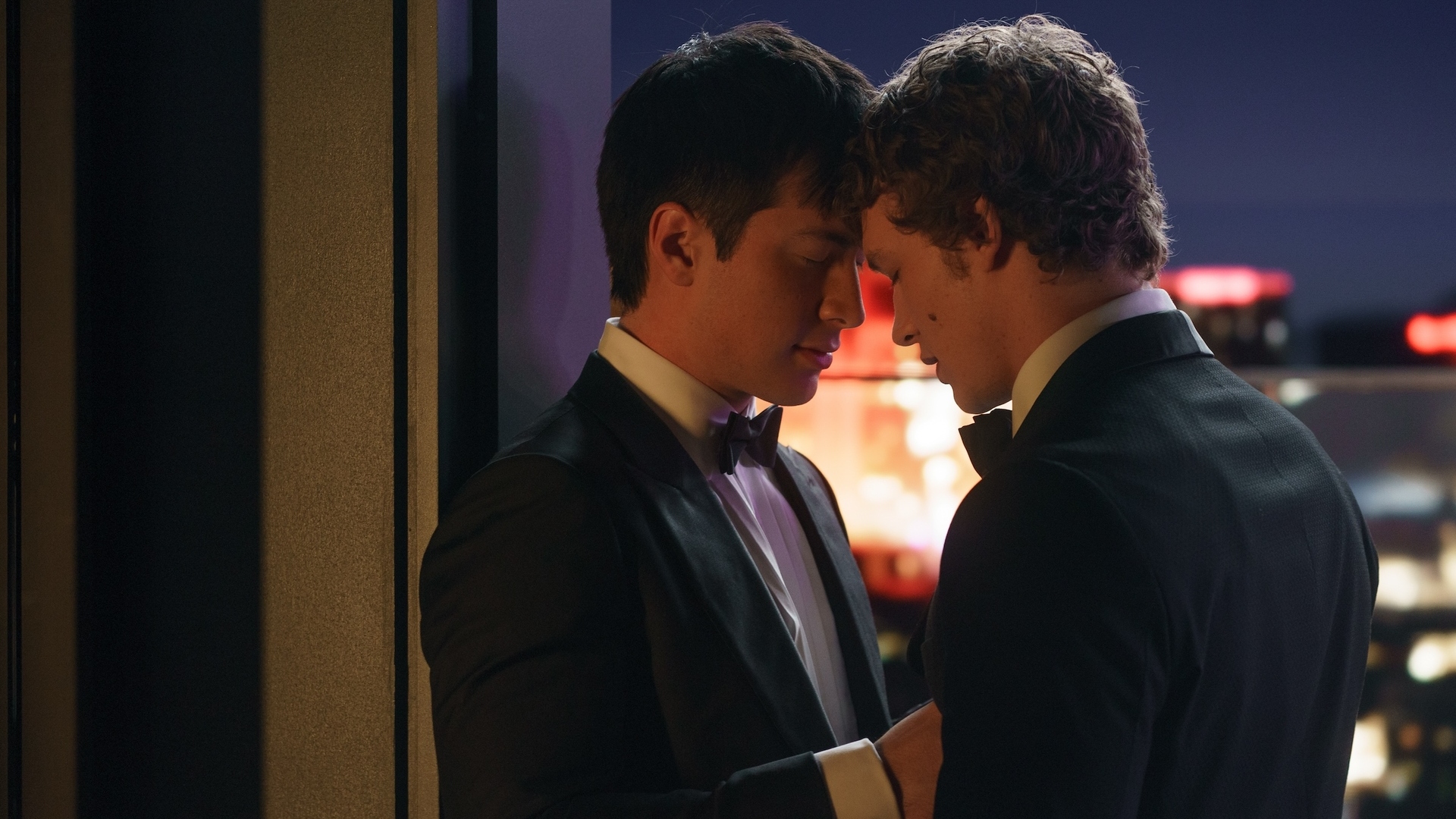
In the original Heated Rivalry novel, this monumental moment appears in the epilogue and is presented in hindsight. Readers are told it happened, but they don’t get to witness it unfold in real time. For many fans, that creative choice was both understandable and frustrating. It made narrative sense within the structure of the book, but emotionally, it felt like something was missing. One reader memorably wrote online, “We waited the entire book for that kind of courage, and then we only got a summary.” That lingering disappointment has followed the fandom ever since.

Now, Tierney has made it clear that television will not repeat that approach. Speaking on a recent podcast, he explained that a moment as significant as Shane coming out to his team cannot happen off-screen. In his view, television demands presence. The audience must see the faces, hear the words, and feel the tension in the room. A passing reference simply will not suffice. His reasoning is simple but powerful: when something reshapes a character’s life, viewers need to experience it alongside them.
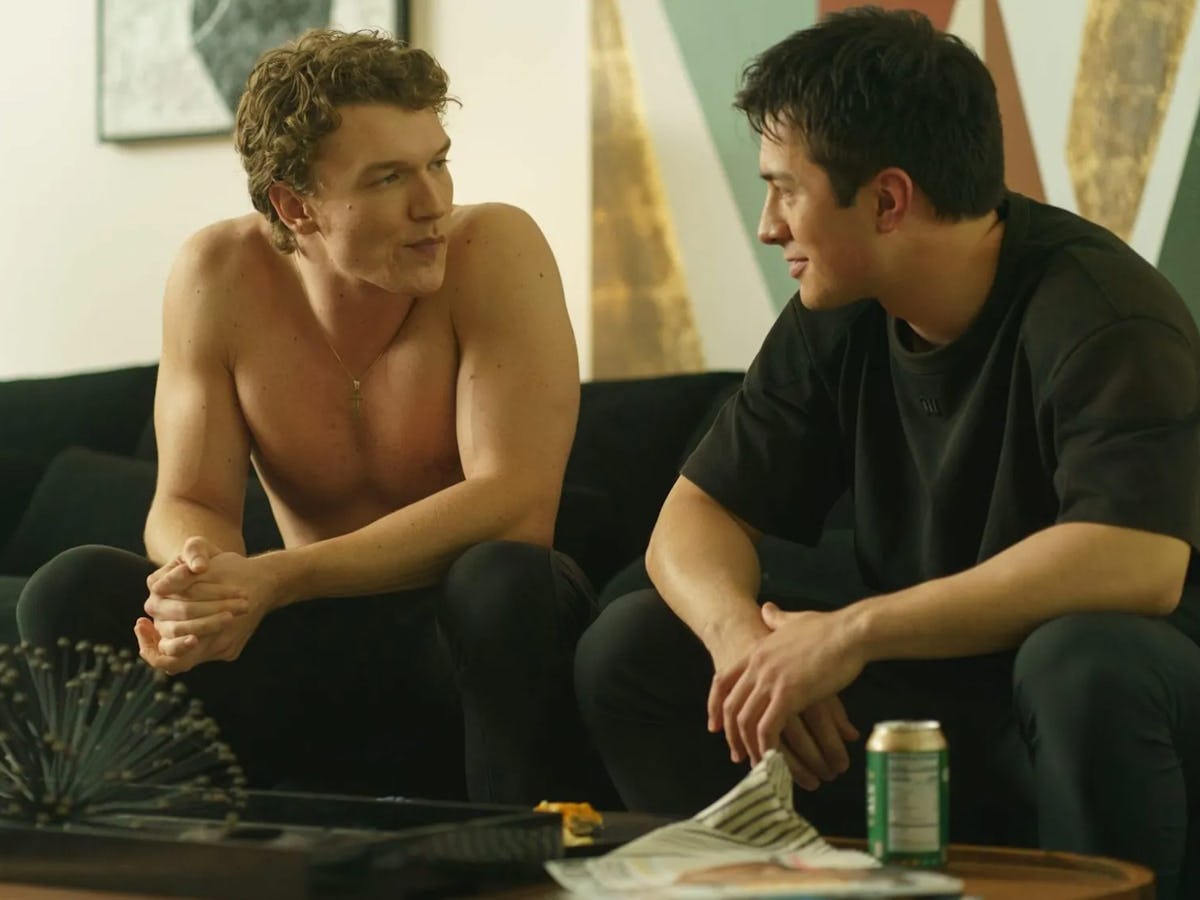
That decision has electrified the fanbase. For many, Shane’s coming-out scene is not just another plot beat—it is the emotional hinge of his character arc. Throughout both Heated Rivalry and The Long Game, Shane struggles with pressure, image, and the weight of being a public sports figure. His love for Ilya exists in a private, protected space, carefully separated from the hyper-masculine world of professional hockey. To see him step into authenticity in front of his teammates represents more than a confession; it represents agency.
What makes this especially satisfying is the sense of narrative justice. Fans have long argued that Shane deserves to define his own story on his own terms. As one commenter recently put it, “It’s the first time he gets to choose himself without compromise.” That sentiment captures why this adaptation choice feels so important. The show is not simply correcting an omission; it is amplifying a turning point.
There is also a broader cultural dimension at play. In queer storytelling, coming-out scenes can sometimes feel formulaic or overly dramatized. But in the context of Heated Rivalry, the stakes are layered. This is not just about sexuality—it is about professional consequences, locker room dynamics, media scrutiny, and the vulnerability of exposing one’s private world to a public arena. By committing to showing the moment in full, the series signals that it understands the complexity involved.
Tierney has acknowledged that adapting this scene is both exciting and nerve-wracking. Novels allow access to inner monologue; television must externalize emotion through dialogue and performance. That challenge, however, is part of what makes the prospect so compelling. Viewers will not only hear what Shane says—they will watch how he says it, how his teammates respond, and how the room shifts in tone. Silence, glances, body language—these elements can carry as much weight as words.
The anticipation surrounding season two has already been intense, with filming expected to begin this summer and a projected release window in spring 2027. While that may feel far away, moments like this are precisely why audiences are willing to wait. The promise of seeing a long-awaited scene finally realized on screen adds a new layer of excitement to an already beloved series.
Perhaps the most telling reaction from fans is relief. Relief that the showrunner recognizes the emotional significance of what might otherwise have been a brief narrative footnote. Relief that Shane’s journey will not be condensed into exposition. Relief that this time, viewers will not be told it happened—they will see it.
If season one proved that Heated Rivalry could translate intimacy and tension from page to screen, season two now carries the promise of delivering catharsis. And if Jacob Tierney follows through on his vision, Shane’s coming-out scene may well become one of the defining television moments of the series—one that transforms a once-frustrating footnote into an unforgettable turning point.