Western films are often considered a genre from another era, but recent developments suggest that the classic cowboy story may be experiencing a revival. With major filmmakers showing renewed interest in Westerns and television continuing to explore the genre, audiences appear to be rediscovering the power of stories built around honor, survival, justice, and redemption.
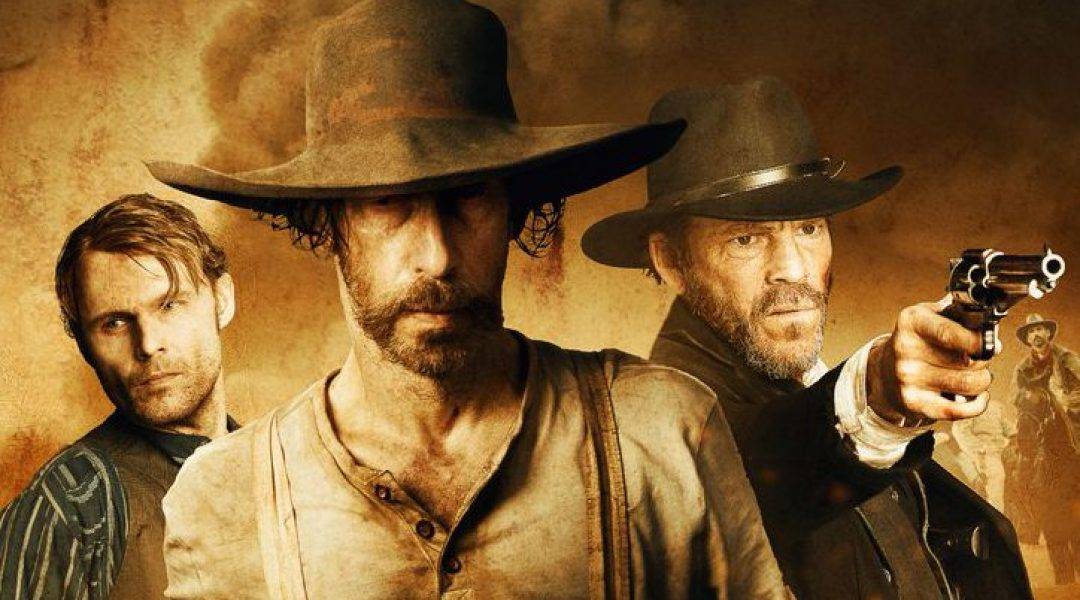
One independent film that has captured renewed attention is Old Henry, a modern Western that combines traditional storytelling with an unexpected character twist. The movie has gained popularity on Netflix, suggesting that viewers are still eager for stories that bring a fresh perspective to the classic Western formula.

Written and directed by Potsy Ponciroli, Old Henry stands out because of the way it hides its biggest revelation in plain sight. Rather than relying on a surprise that comes from nowhere, the film carefully plants clues throughout the story, using one seemingly ordinary line of dialogue as the foundation for its final reveal.

The story follows Henry, an aging farmer living a quiet and isolated life with his son Wyatt in Oklahoma in 1906. Their existence appears simple and predictable. Henry spends his days working the land while trying to raise his son away from the dangers of the outside world.
At first, the film appears to follow familiar Western patterns. Audiences expect that this peaceful life will eventually be interrupted by a major event. That expectation becomes reality when Henry discovers a wounded stranger named Curry on his property. The man is carrying a gun and a bag filled with stolen money.

Instead of turning him away, Henry chooses to help Curry recover. However, their situation quickly becomes complicated when a group of armed men led by a dangerous figure named Ketchum arrives at the farm. They claim to be lawmen searching for Curry and the missing money.
From that moment, the movie introduces its central mystery: who can be trusted? Are these men truly representatives of the law, or are they criminals pretending to be something they are not? More importantly, what secrets is Henry hiding beneath his quiet farmer identity?
The key to understanding the entire film appears early through a voice-over line spoken by Henry:
“It can be hard to tell who and what a man is, he’s got a mind to convince you otherwise.”
At first, the quote seems like a typical piece of old cowboy wisdom. It sounds like the reflection of a man who has lived through difficult experiences and learned important lessons about human nature.
However, as the story develops, audiences realize that this sentence is actually a roadmap for the entire movie. The line does not simply describe other characters — it reveals the truth about Henry himself.
This storytelling technique is what makes Old Henry so effective. The film does not trick viewers by hiding information completely. Instead, it presents the truth in a way that encourages audiences to interpret it differently. The answer has been there from the beginning, but viewers do not recognize its importance until the twist arrives.
As the conflict escalates, Henry’s true abilities begin to emerge. The peaceful farmer suddenly reveals extraordinary skills with weapons and combat. The men who underestimated him discover that they have made a dangerous mistake.
The biggest revelation comes when Henry’s true identity is finally uncovered. He is not simply an ordinary farmer trying to protect his family. He is actually Billy the Kid, the legendary outlaw believed by many to have died years earlier.
For screenwriters and filmmakers, Old Henry provides an excellent lesson in creating a successful twist. The movie demonstrates that a writer should not simply lie to the audience to hide a character’s identity. Instead, the truth should be presented in a disguised form, allowing viewers to discover the meaning behind earlier details after the reveal.
The film also highlights several important storytelling principles. Writers should avoid over-explaining themes and trust that carefully chosen dialogue can gain deeper meaning later. They should allow actions, visuals, and character decisions to reveal the truth naturally rather than depending only on explanations.
Ultimately, Old Henry succeeds because it combines classic Western elements with smart modern storytelling. It is not just a story about guns and revenge, but about identity, the weight of the past, and the possibility of redemption.
The film’s popularity on Netflix may represent a larger trend: audiences are still interested in Western stories when they are presented with emotional depth and unexpected ideas. Old Henry proves that the Western genre still has powerful stories left to tell, especially when filmmakers understand that sometimes the biggest secrets are hidden in the words we hear from the very beginning.