Isa Briones has made it clear that there is a line between admiration and disrespect—and she believes some audience members are crossing it. The 27-year-old actress, best known for her role as Dr. Trinity Santos in the hit medical drama The Pitt, recently spoke out against theatergoers who have been calling her by her character’s name during live performances on Broadway.
:max_bytes(150000):strip_icc():focal(719x306:721x308)/the-pitt-isa-briones-season-1-episode-6-041625-c26eee888239474c81a29cf71049d6ec.jpg)
The issue came to light through a now-expired Instagram story, in which Briones directly addressed the behavior she described as inappropriate and disruptive. She criticized audience members who shouted references to her television role while she was on stage performing in the musical Just In Time. For Briones, the problem wasn’t simply about being recognized—it was about the context and the impact such interruptions have on live theater.
:max_bytes(150000):strip_icc()/Isa-Briones-The-Pitt-050326-9060407a6ccb486f8b5e0b39dab1216d.jpg)
She emphasized that Broadway is not an interactive environment where audience members can freely shout at performers. Instead, it is a shared artistic space that demands respect, focus, and a clear boundary between the stage and the audience. Her frustration was particularly evident when she recalled moments where individuals called out “Dr. Santos” during emotionally significant scenes, breaking the immersion for both performers and fellow viewers.

This is not the first time Briones has addressed the issue. In previous posts, she had already asked fans to respect theater etiquette and avoid speaking to actors mid-performance. However, her latest comments suggest that the problem has persisted, prompting a stronger and more direct response. The repetition of this behavior appears to have shifted her tone from polite reminder to firm rejection.
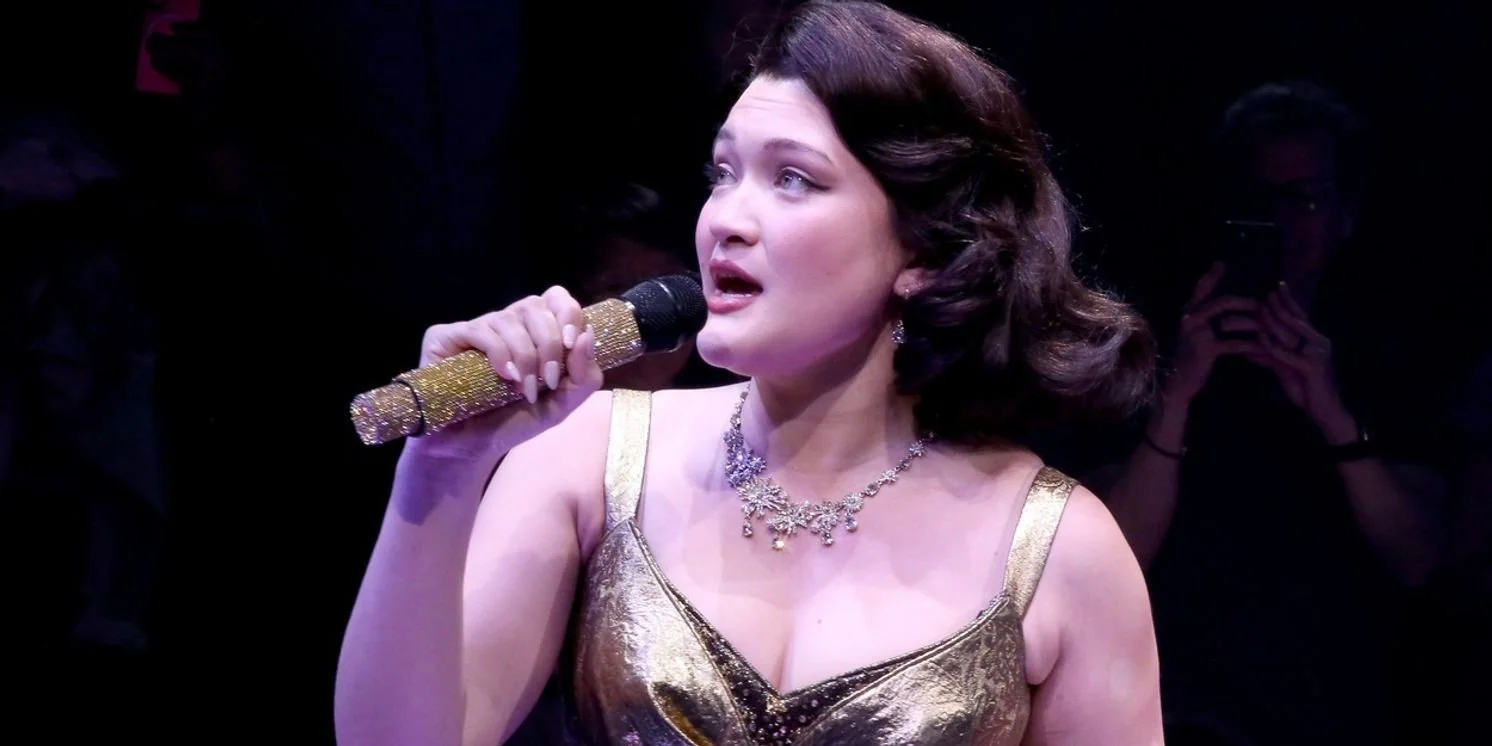
For many observers, the situation highlights a growing challenge faced by actors who achieve fame through television or streaming platforms before transitioning to live theater. Audiences who recognize them from popular roles may struggle to separate the performer from the character, especially when those roles become culturally significant. In Briones’ case, her portrayal of Dr. Santos has clearly left a strong impression—but one that some fans are carrying into inappropriate settings.
Reactions from the public have been mixed, though largely supportive of Briones’ stance. One theatergoer commented online, “People forget that a stage performance isn’t a fan meet-and-greet. It’s not fair to the cast or the audience.” Others echoed similar sentiments, arguing that such behavior reflects a lack of understanding about what makes live theater unique. However, there are also those who see it as an unintended consequence of success, suggesting that passionate fans may not always realize the impact of their actions.
Briones herself has acknowledged the complexity of this dynamic. In interviews, she has spoken about the strange adjustment that comes with sudden recognition, admitting that she now understands why some public figures choose to maintain a lower profile. Being called out in public spaces—or even on stage—can feel intrusive, even when it comes from a place of admiration.
Her current role in Just In Time, where she portrays legendary singer Connie Francis, represents a significant departure from her television work. It is also a project she has described as deeply fulfilling, offering her a chance to reconnect with the joy of live performance. For Briones, theater is not just another job; it is a craft that requires discipline, respect, and full audience engagement. Interruptions, no matter how well-intentioned, undermine that experience.
The broader conversation sparked by her comments touches on the evolving relationship between celebrities and their audiences in the digital age. Social media has created a sense of accessibility that can blur boundaries, making fans feel more connected to performers than ever before. While this can foster genuine appreciation, it can also lead to behavior that would have been considered unacceptable in more traditional settings.
Some fans have begun calling for greater awareness around theater etiquette, arguing that venues and productions could do more to remind audiences of expected conduct. “It’s basic respect,” one commenter noted. “You wouldn’t interrupt a film in a cinema, so why do it in a live show where real people are performing right in front of you?” This perspective underscores the idea that the issue is not about limiting enthusiasm, but about channeling it appropriately.
Ultimately, Briones’ message is a simple one: respect the space, respect the performance, and respect the people involved. Her willingness to speak out may not eliminate the problem overnight, but it has certainly brought attention to an issue that many in the theater community quietly endure.
As her career continues to evolve, Briones remains a compelling example of an artist navigating the complexities of modern fame. While she may be widely recognized as Dr. Santos, she has made it clear that she is more than a single role—and that the stage is a place where that distinction must be honored.