Episode 4 of A Knight of the Seven Kingdoms, titled “Seven,” marks a powerful turning point for the series, transforming the tone of the story from a light-hearted Westerosi buddy comedy into something far more emotional, brutal, and spiritually heavy. In just thirty minutes, the episode reshapes the entire narrative direction of the show, proving that beneath the humor and warmth lies a far darker, more tragic tale waiting to unfold.
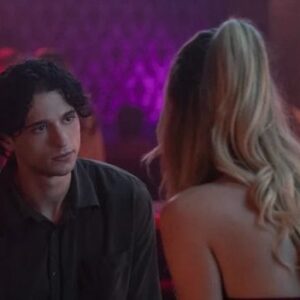
The emotional core of the episode lies in the aftermath of last week’s shocking reveal, delivered through a deeply moving conversation between Dunk and Egg. What makes this scene so effective is its natural progression: the characters shift seamlessly from their familiar witty banter into a raw, honest exchange filled with complicated emotions, fear, confusion, and loyalty. Peter Claffey and Dexter Sol Ansell handle this transition beautifully. Their performances make the moment feel authentic rather than melodramatic, grounded rather than exaggerated.

What stands out most is how convincingly they portray the “new reality” born out of the events in the tent. Dunk is no longer just a wandering hedge knight, and Egg is no longer just a sharp-tongued boy with secrets. There is a spiritual shift in their relationship, and both actors embody it on a deeper level than simple dialogue. They don’t just play Dunk and Egg — they become them. The emotional weight in their body language, pauses, and silences speaks just as loudly as their words.
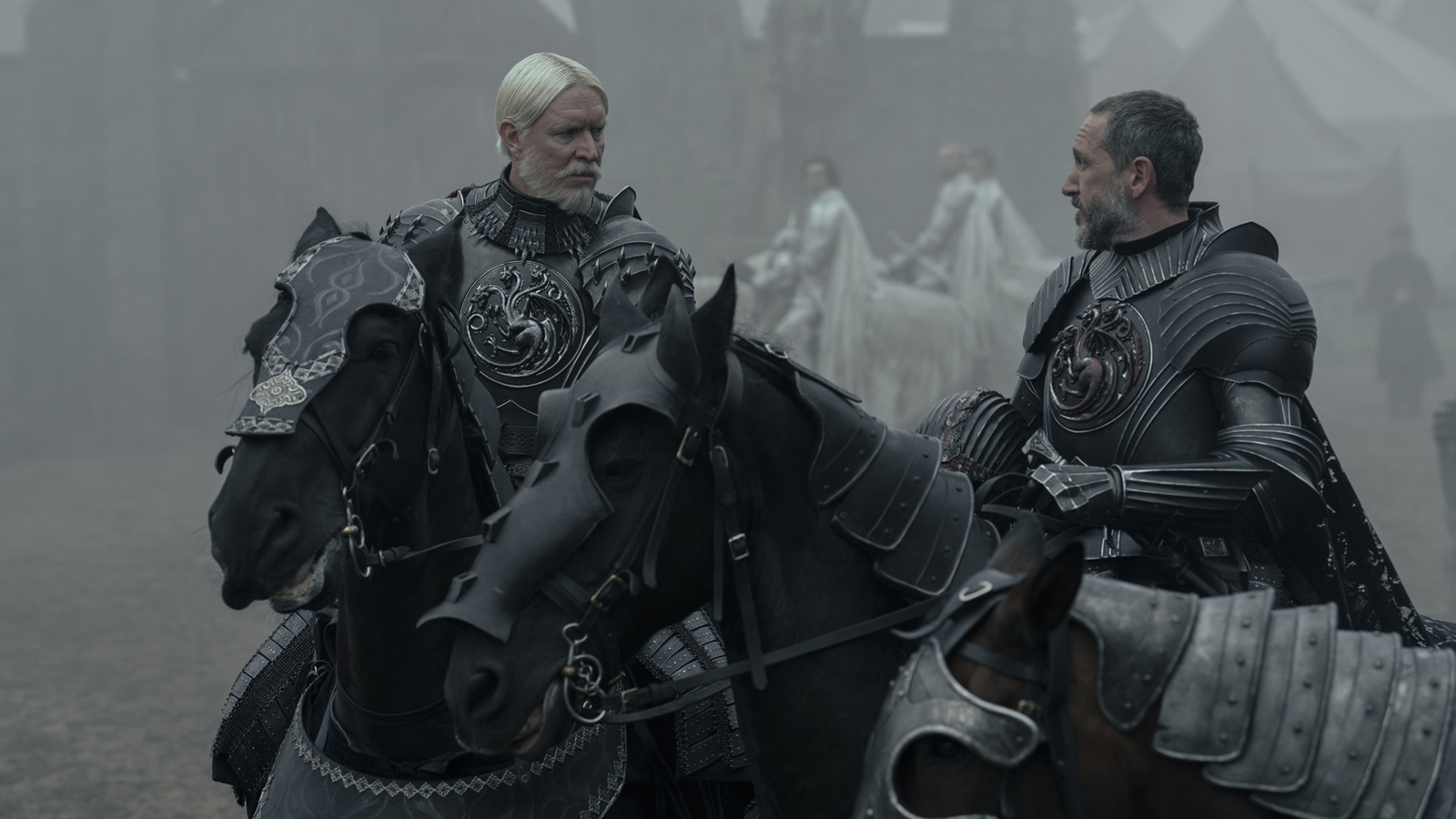
However, the episode isn’t without its flaws. One particularly jarring moment comes with Maeker’s ignorance of the Trial by Seven. For a Targaryen prince to not know the history of Maegor’s Trial by Seven feels implausible and breaks immersion for viewers familiar with Westerosi lore. It raises concerns about the show leaning too heavily into humor at the expense of character integrity and world-building logic. Fortunately, this misstep remains an isolated one, and nothing that follows reaches that same level of narrative inconsistency.
Beyond that brief stumble, the portrayal of the Targaryens in this episode is nothing short of excellent. Each character feels distinct, layered, and emotionally grounded. Harry Ashton’s Daeron the Drunk feels as though he’s stepped directly out of the pages of the lore, capturing perfectly the melancholy, sorrow, and quiet tragedy associated with Dragon Dreamers. There’s a sadness in his presence that never feels forced — it simply exists.
Finn Bennett’s Aerion is another standout, delivering a performance that makes the character increasingly detestable with every subtle expression and gesture. He isn’t cartoonishly evil; instead, he is disturbingly human in his cruelty, making him even more unsettling to watch. Bennett’s restrained acting choices give Aerion a slow-burning menace that lingers long after his scenes end.
Dexter Sol Ansell’s Egg continues to shine, especially in his portrayal of fear and emotional vulnerability. This version of Egg is no longer just clever and brave — he is wounded, frightened, and deeply conflicted. His emotional depth adds complexity to the character, making his journey feel tragic rather than simply heroic.
And then there is Baelor Breakspear, brought to life by Bertie Carvel. His presence alone changes the energy of every scene he enters. Calm, commanding, and noble, Baelor feels like a true embodiment of honor and strength in a world increasingly defined by violence and corruption. His performance is not just impressive — it is iconic, instantly establishing him as one of the most powerful figures in the series.
The final moments of the episode deliver chills that are difficult to put into words. The tension, the symbolism, and the emotional buildup converge into a climax that feels both epic and tragic. While the absence of scenes showing the recruitment of Dunk’s champions — such as Ser Robyn, Ser Humphrey, and Ser Beesbury — is disappointing, the emotional impact of the finale more than compensates. Fans may have wanted more time to connect with these figures, but the narrative focus remains firmly on Dunk’s transformation.
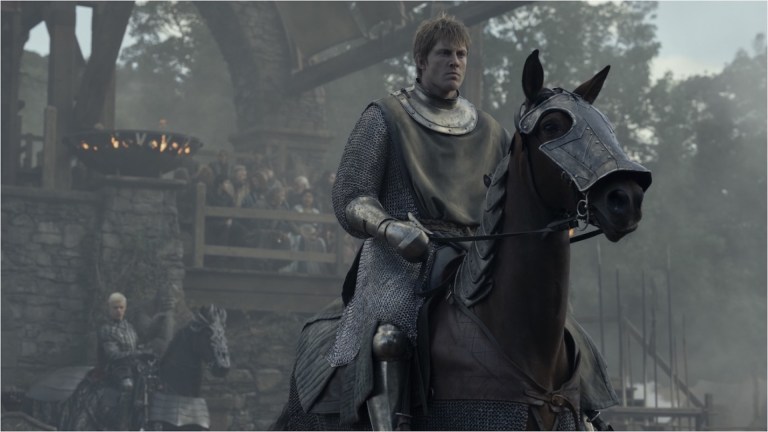
Peter Claffey’s final speech is a defining moment of the episode. It is powerful, restrained, and emotionally loaded, capturing the essence of Dunk’s character arc. The final entrance, paired with the perfectly timed placement of the original theme music, creates a moment of pure cinematic weight. It doesn’t just end the episode — it redefines the series.
Episode 4 of A Knight of the Seven Kingdoms is not simply a good installment; it is a tonal shift, a narrative rebirth, and a statement of intent. The story is no longer about two travelers wandering through Westeros. It is now about honor, sacrifice, blood, destiny, and the cost of choosing the right path in a brutal world. “Seven” doesn’t just move the story forward — it transforms it.