Isa Briones has reached a point in her career where success and frustration seem to coexist in equal measure. Best known for her role as Dr. Trinity Santos in the hit medical drama The Pitt, the 27-year-old actress has found herself grappling with an unexpected side effect of fame: being unable to separate her own identity from that of her character in the eyes of the public. While the role brought her widespread recognition, it has also created a situation she openly admits she does not want.
:max_bytes(150000):strip_icc():focal(719x306:721x308)/the-pitt-isa-briones-season-1-episode-6-041625-c26eee888239474c81a29cf71049d6ec.jpg)
The issue became more visible during her recent performances on Broadway, where Briones is currently starring in the musical Just In Time. Instead of fully immersing themselves in the live performance, some audience members began shouting out lines and calling her “Dr. Santos” mid-show. What might have seemed like harmless enthusiasm quickly crossed into something more disruptive. For Briones, it wasn’t just distracting—it was deeply disrespectful.

Her reaction was immediate and unfiltered. Taking to social media, she made it clear that such behavior was unacceptable, reminding audiences that theater is a shared artistic experience, not an interactive fan event. She pointed out that calling out to performers during a show not only breaks the illusion but also undermines the work of everyone involved, from fellow actors to the production team.
![The Pitt's Isa Briones Returns to Broadway 'Just in Time' With a Look at Her New Role [Exclusive]](https://static0.colliderimages.com/wordpress/wp-content/uploads/2026/02/the-pitt-season-2-isa-briones-gerran-howell.jpg?w=1600&h=900&fit=crop)
Behind her strong words lies a more complex emotional reality. Briones has acknowledged that her connection to Dr. Santos is not entirely comfortable. While she appreciates what the role has given her professionally, she also feels a certain pressure that comes with being constantly associated with a single character. In interviews, she has hinted at the challenge of moving forward creatively when audiences continue to see her through the lens of one performance.
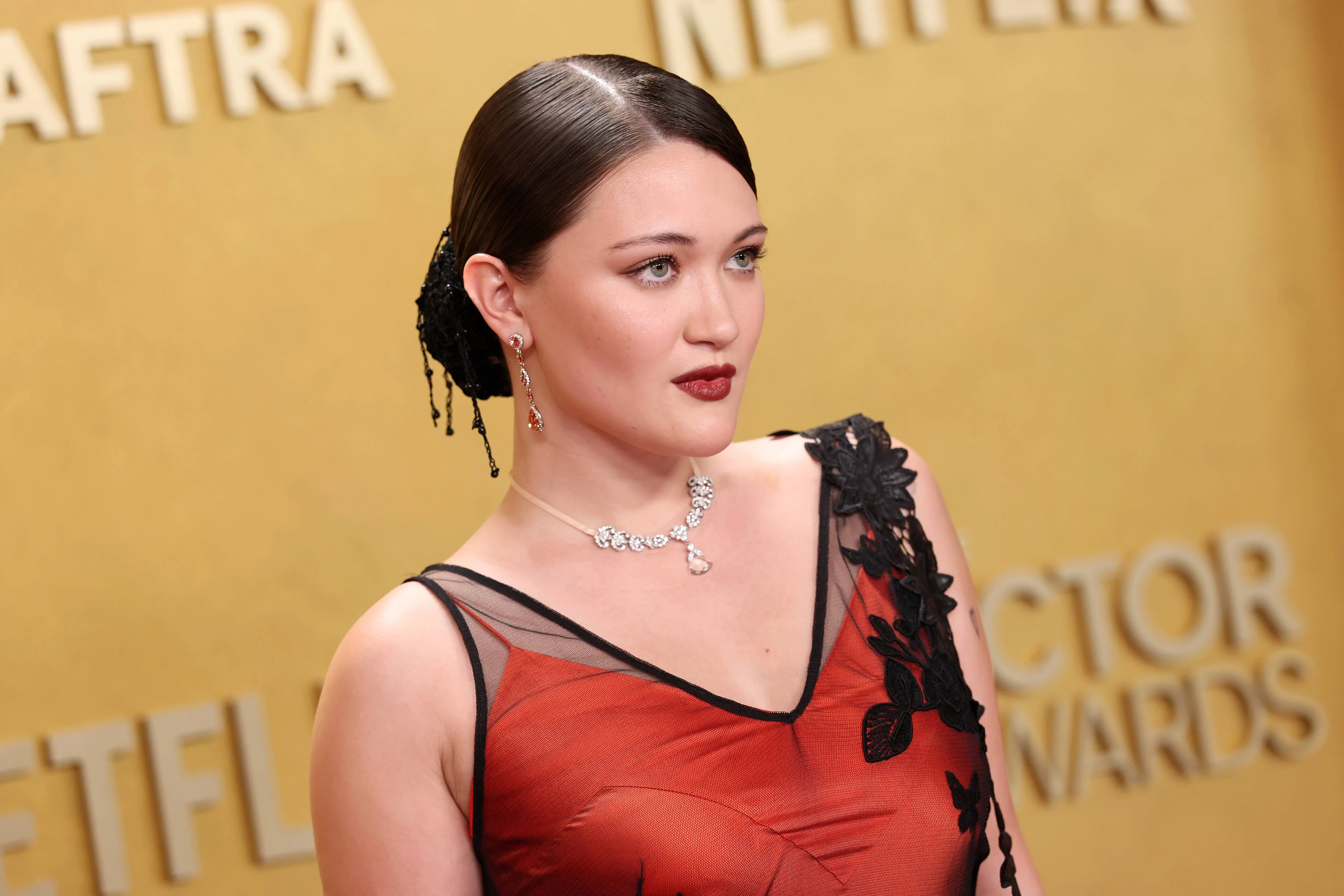
This tension is not uncommon in the entertainment industry, especially for actors who rise to fame through a breakout role. The character becomes so iconic that it begins to overshadow the performer’s broader range. For Briones, the situation is particularly pronounced because The Pitt has such a dedicated fanbase, many of whom feel a strong emotional attachment to Dr. Santos.
Some fans have expressed surprise at her reaction, interpreting it as a rejection of the role that made her famous. However, others have come to her defense, arguing that there is a clear difference between appreciating a character and respecting an actor’s boundaries. “You can love Dr. Santos without interrupting a live performance,” one theatergoer commented online, capturing the nuance of the situation.
The problem is further complicated by the nature of modern fandom. Social media has created a culture where fans feel closer to celebrities than ever before, often blurring the lines between admiration and entitlement. When that mindset carries over into live settings like Broadway, it can lead to behavior that disrupts not only the performance but also the experience of other audience members.
Briones has also spoken about the personal impact of being constantly addressed as someone she is not. While she understands that fans mean well, she finds it difficult to fully embrace new roles when she is repeatedly pulled back into an old one. The name “Dr. Santos,” in this context, becomes less of a compliment and more of a limitation.
Her frustration reached a peak during one performance when repeated interruptions made it impossible to ignore the issue any longer. That moment, according to those familiar with the situation, prompted her most direct response yet. It wasn’t just about a single incident—it was about setting a boundary that had been crossed too many times.
Observers have noted that her stance reflects a broader shift in how actors are addressing fan behavior. Rather than quietly tolerating disruptions, more performers are speaking out about the need for respect, particularly in environments like theater where timing and concentration are critical. Briones’ willingness to address the issue head-on has been seen by some as a necessary step in preserving the integrity of live performance.
At the same time, her comments have sparked a wider conversation about how audiences should engage with art in an era where the lines between performer and persona are increasingly blurred. While fans play an essential role in the success of any show, there is a growing recognition that their enthusiasm must be balanced with an understanding of context.
For Briones, the message is ultimately about identity. She is proud of her work on The Pitt, but she is equally determined to be recognized for more than just one role. By pushing back against being called “Dr. Santos,” she is not rejecting her past—she is asserting her right to evolve beyond it.
As her career continues to expand, it remains to be seen how audiences will respond to her call for change. What is clear, however, is that Briones is no longer willing to stay silent about an issue that affects not only her but many performers navigating the complexities of modern fame.