No one expected The Chosen to become such an extraordinary global phenomenon. The series began as a tiny crowdfunded project struggling just to survive, yet somehow transformed into one of the most emotionally powerful and successful television shows in the world. Now creator Dallas Jenkins has finally revealed the hidden reason behind its success — and the thing he intentionally built into the series to pull audiences in is completely different from the formula most faith-based productions have relied on for years.
When The Chosen first launched in 2019, very few people inside the entertainment industry believed it would survive.
A crowdfunded television series about Jesus and his disciples sounded like the kind of niche religious project that might attract a small church audience before quietly disappearing. There were no giant Hollywood studios behind it, no massive marketing campaign, and no guarantee audiences would even care about another biblical adaptation.
Instead, something almost impossible happened.

The series exploded worldwide.
Today, The Chosen has reportedly reached more than 250 million viewers globally, turning into one of the biggest streaming success stories nobody saw coming. Even more surprising is the audience itself. According to the show’s creators and cast members, nearly 30 percent of viewers are not religious at all.
Some are atheists. Some are agnostic. Others openly admit they normally avoid Christian entertainment completely.
Yet somehow, they became obsessed with The Chosen.
That mystery became one of the biggest talking points during ChosenCon in North Carolina, where the cast and creators gathered to discuss the show’s unexpected rise. And according to creator Dallas Jenkins, the reason behind the phenomenon was never really about religion in the traditional sense.
It was about humanity.

While many faith-based productions focus heavily on moral lessons, sermons, or idealized portrayals of biblical figures, Jenkins intentionally pushed The Chosen in the opposite direction. Instead of presenting saints who feel distant and perfect, the series portrays people who feel messy, insecure, emotional, exhausted, jealous, confused, and painfully human.
And audiences immediately connected to that honesty.
One cast member, Amber Shana Williams, explained that the show works because viewers suddenly realize people living 2,000 years ago struggled with exactly the same problems modern audiences face today.
“They’re trying to pay taxes. They’re trying to survive relationships. They’re trying to get through tomorrow,” she explained during the convention.
That relatability became the real hook of the series.
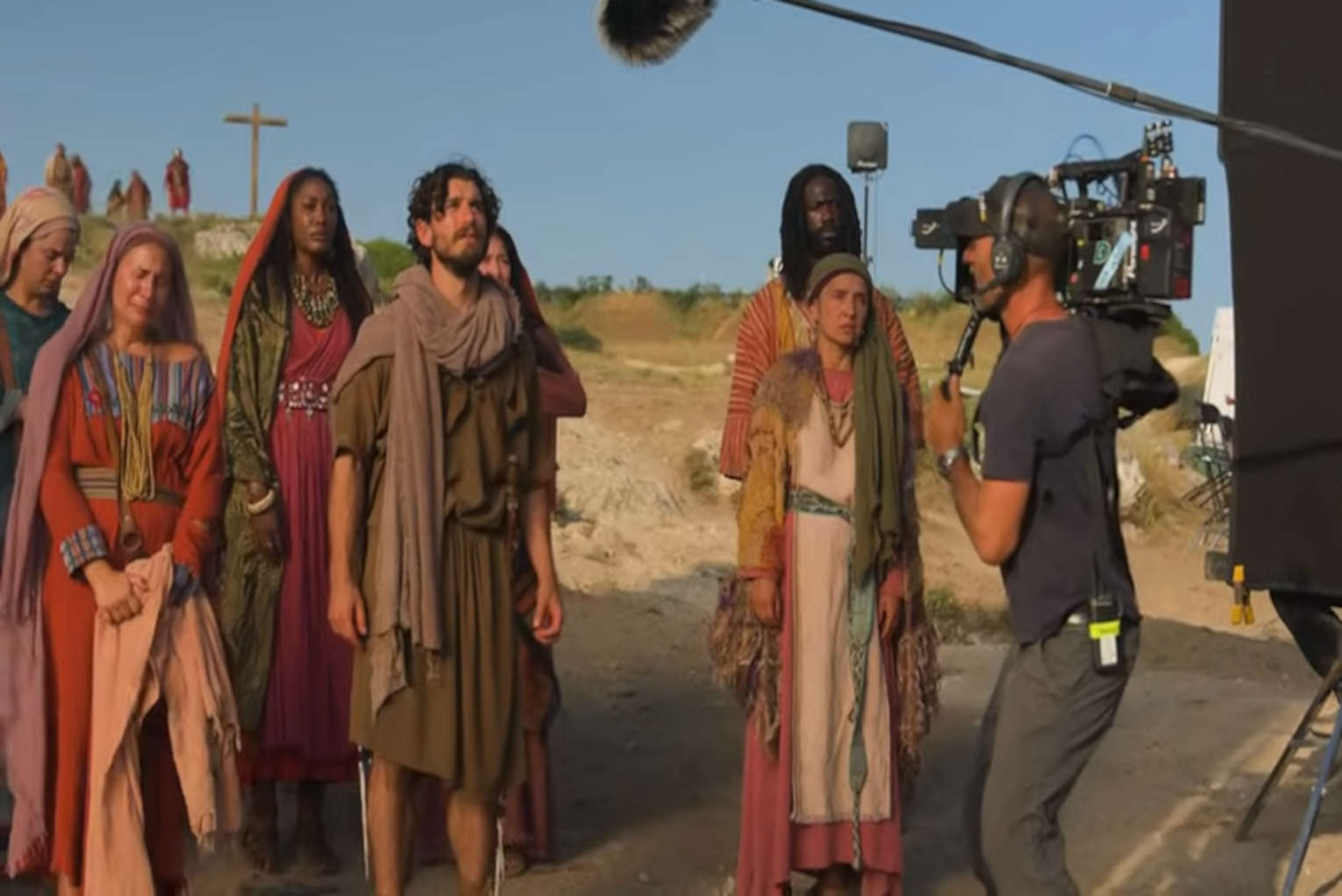
Rather than preaching directly at viewers, The Chosen quietly invites audiences into the emotional lives of the characters. The disciples are not portrayed as flawless spiritual heroes. They fail constantly. They argue. They doubt themselves. They become insecure, angry, impatient, and frightened.
And for many viewers, that made biblical stories feel real for the first time.
One actor, Jordan Walker Ross, described the show as “a bridge instead of an exclusive club.” He explained that audiences are not responding to theology alone — they are responding to emotional truth.
That distinction appears to be changing everything.
Many viewers who never considered themselves religious admitted the show softened their feelings toward faith because it removed the cold, distant image they previously associated with Christianity. Instead of stained-glass perfection, they saw ordinary people struggling emotionally while trying to understand purpose, forgiveness, friendship, and love.
One fan attending ChosenCon openly confessed:
“I used to think religious people were kind of crazy. But this show made me stop and think maybe there’s something deeper here.”
That reaction shocked even longtime supporters of the series.
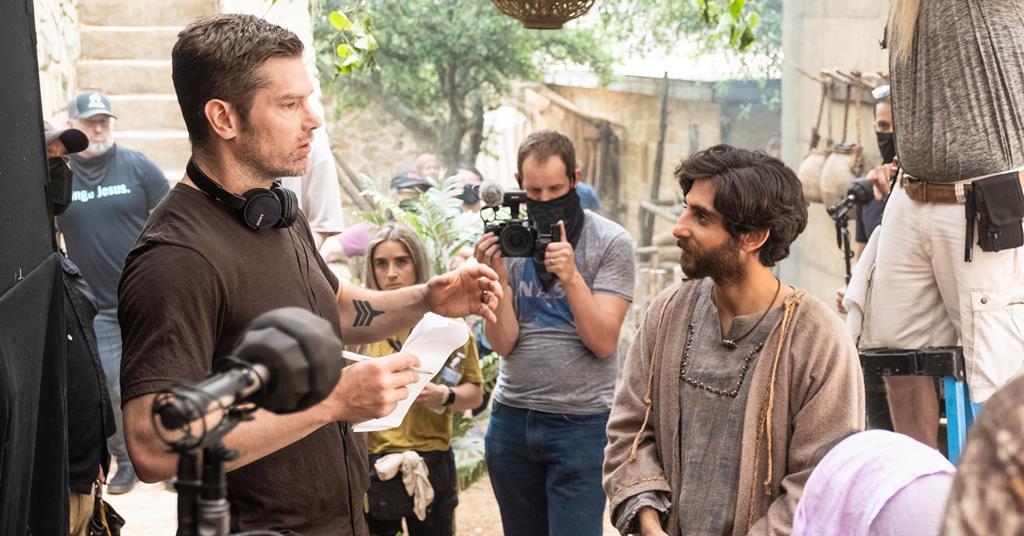
Perhaps the most surprising revelation, however, came when Dallas Jenkins admitted that the inclusive atmosphere behind the scenes is also very intentional. According to Jenkins, nearly half of the cast and crew are not believers themselves. Instead of treating that as a problem, he believes it actually strengthens the storytelling because it forces the production to stay emotionally honest rather than simply relying on religious assumptions.
In other words, the show was never designed only for Christians.
It was designed for human beings.
That philosophy can be seen throughout the series. Jesus is often shown laughing, joking, dancing at weddings, comforting emotionally broken people, and forming relationships that feel surprisingly modern and natural. Even viewers unfamiliar with scripture often describe the version of Jesus in The Chosen as approachable in ways they never expected.
One actor explained that the show “brings Jesus down from stained-glass windows.”
And perhaps that is exactly why audiences cannot stop watching.
Social media has become flooded with reactions from viewers admitting they started the show out of curiosity or even skepticism, only to become emotionally attached to the characters. Some fans say they began watching simply because friends recommended it. Others initially treated it almost like historical drama. But many eventually described unexpectedly emotional reactions while watching scenes about grief, forgiveness, loneliness, and hope.
One online commenter wrote:
“I came for good storytelling and somehow ended up questioning my entire perspective on faith.”
Another viewer posted:
“This is the first religious show that doesn’t feel like it’s yelling at me.”
That may ultimately be the real “magic” behind The Chosen.
The series does not demand belief before emotional connection. Instead, it earns emotional trust first by presenting recognizable human experiences. Only afterward does it begin exploring larger spiritual questions naturally through the characters themselves.
Ironically, that approach completely broke the traditional rules of religious entertainment.
And it worked.
The success of The Chosen now appears to be reshaping how studios think about faith-based storytelling entirely. Instead of targeting only religious audiences, the show proved that emotionally authentic storytelling can cross ideological, cultural, and spiritual boundaries when characters feel genuinely human.
As the series prepares for its upcoming seasons covering darker biblical events including the crucifixion, audiences continue growing worldwide.
But perhaps the most remarkable part of the phenomenon is this:
A small crowdfunded series that nobody expected to survive may have succeeded precisely because it stopped trying to preach at people — and simply focused on making them feel seen.