In the world of biblical storytelling, few roles carry as much weight and scrutiny as that of Jesus Christ. For actor Jonathan Roumie, who has become widely recognised for his portrayal of Jesus in the acclaimed multi-season series *The Chosen*, the experience has brought both profound spiritual rewards and unexpected personal challenges. In a candid interview, Roumie opened up about the difficulties of navigating public perception after stepping into one of history’s most revered figures.

One of the most striking aspects Roumie described is the peculiar sensation of being identified so completely with the character he plays. It is not uncommon for viewers to approach him and address him directly as Jesus, expecting the same calm authority, compassion, and even miraculous presence that the character embodies on screen. This blurring of lines between actor and role creates a unique form of pressure. Audiences, deeply moved by the series’ intimate and humanising depiction of Christ, sometimes struggle to separate the performer from the person. They seek from Roumie the same spiritual energy and emotional resonance they encounter in the show.

Roumie explained that this reaction goes beyond simple admiration. Some fans appear reluctant to fully accept his ordinary humanity. Instead, they seem to hope for something more transcendent — perhaps a word of healing, a moment of divine intervention, or even a prayer that produces immediate miraculous results. He recounted instances where people implied, subtly or directly, that he might possess special abilities simply because of the role he inhabits. While Roumie emphasised his willingness to pray with anyone — acknowledging that God can work through any person — he was equally clear about his own limitations. “I don’t have the properties of healing that Jesus had,” he stated plainly. With a touch of humility and humour, he added that he certainly cannot raise anyone from the dead, despite any expectations to the contrary.
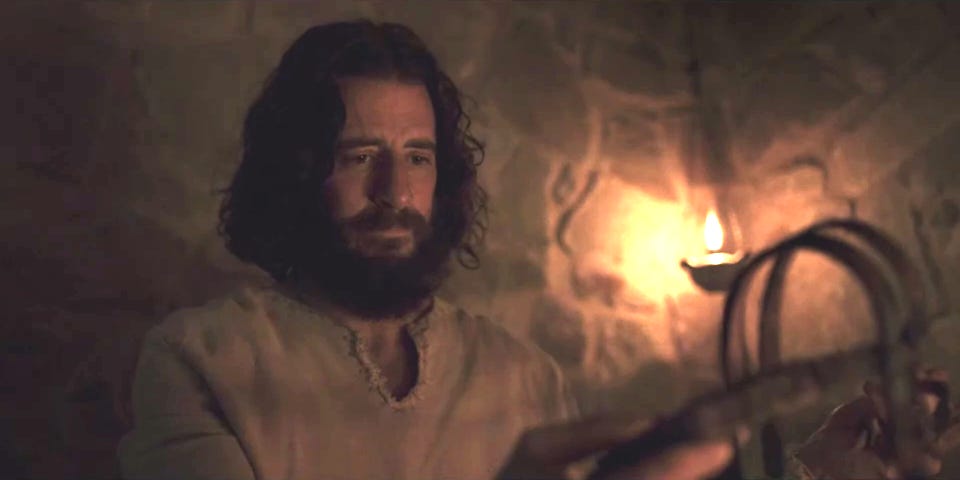
This honest admission highlights a central tension in Roumie’s experience. Portraying Jesus requires not only technical acting skill but also a deep spiritual and emotional commitment. The role demands that the actor convey both the divine authority and the profound humanity of Christ — a balance that *The Chosen* has been praised for achieving. Yet this very success creates real-world complications. When a performance resonates so powerfully, it can lead audiences to project their faith and hopes onto the actor himself. Roumie’s reflections reveal how this dynamic can be both flattering and burdensome. He must constantly remind people — and perhaps himself — that he remains a flawed human being attempting to depict a flawless saviour.

The actor’s comments also shed light on broader themes surrounding faith-based entertainment. In an era when religious stories are often told with high production values and emotional depth, performers like Roumie find themselves at the intersection of art, spirituality, and celebrity. The series has succeeded in presenting Jesus in a relatable way, showing his interactions with disciples, his moments of weariness, and his compassion for ordinary people. This approach has helped many viewers connect with the Gospels on a more personal level. However, it also raises questions about the responsibilities that come with such influential portrayals. How does one honour the sacred nature of the character while maintaining healthy boundaries in everyday life?
Roumie’s response demonstrates a mature perspective grounded in faith. He does not dismiss the expectations of fans but gently redirects them toward the true source of miracles and transformation. By openly discussing his own humanity, he reinforces a key theological truth: Jesus was fully divine and fully human. The actor’s willingness to pray with people shows genuine care, yet his refusal to claim supernatural powers protects both his integrity and the distinctiveness of Christ’s unique mission.
Furthermore, these challenges reflect the wider impact of *The Chosen*. The series has attracted millions of viewers worldwide by focusing on the personal stories of those who encountered Jesus. Through careful storytelling, it explores themes of doubt, redemption, friendship, and spiritual growth. Roumie’s portrayal contributes significantly to this success, bringing warmth, intensity, and vulnerability to the role. Yet his interview reminds us that behind the powerful scenes lies an ordinary person grappling with extraordinary attention.
In many ways, Roumie’s experience mirrors the very message at the heart of the Christian faith he helps depict. Just as Jesus lived among people as one of them while remaining the Son of God, the actor must navigate fame while staying grounded in his own identity. His humility in acknowledging his limitations serves as an important lesson. It encourages audiences to look beyond any human performer to the genuine source of hope and healing.
Ultimately, Roumie’s reflections offer valuable insight into the complexities of faith-based acting. They highlight the emotional and spiritual demands of such a role, the power of authentic storytelling, and the importance of maintaining perspective amid public adoration. As *The Chosen* continues to unfold across new seasons, Roumie’s honesty ensures that both the character and the actor remain relatable — one divine, the other profoundly human. His journey stands as a testament to the challenges and graces that come with telling one of humanity’s most enduring stories.