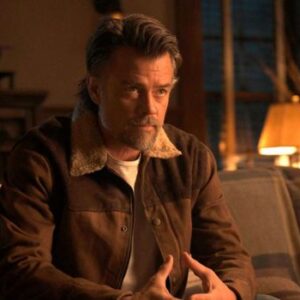
The Chosen, the groundbreaking crowdfunded series depicting the life of Jesus, is now embroiled in controversy. A new class-action lawsuit accuses the production company of deliberately sidelining thousands of small-scale investors who helped finance the show through an equity crowdfunding model. What began as an inspiring story of faith-based community funding has turned into a bitter dispute over financial transparency and corporate maneuvering.
:max_bytes(150000):strip_icc():focal(1005x431:1007x433)/the-chosen-amazon-main-062425-80faad0754a0465790ecc5c6eb515e06.jpg)
The lawsuit, filed by minority shareholder Christopher Garabedian, centers on events surrounding 5&2 Productions (formerly The Chosen Productions). Garabedian, who invested $300,000 in 2019, claims the company forcibly cashed out more than 16,000 shareholders — representing roughly 45% of the show’s financial backing — against their will. According to the suit, these investors were led to believe they would remain long-term stakeholders in a project with enormous growth potential. Instead, they were allegedly pushed out as the series achieved significant commercial success.
The Chosen experienced a remarkable rise in popularity. Its theatrical releases proved highly profitable, with Season 5 alone grossing $40 million. Projections for the final seasons, which will cover the crucifixion and resurrection of Jesus, along with subsequent films and spin-off series, estimated a staggering $1.4 billion in revenue by 2029, suggesting an enterprise value around $150 million. However, when 5&2 Productions opted to take the company private, an analysis by Goldman Sachs valued the enterprise at only $52.9 million. Investors were subsequently bought out at a modest $3.75 per share.

Critics of the move point to questionable timing and tactics. The vote for a reverse stock split was reportedly held during Holy Week, a period when many of the devout Christian investors were preoccupied with religious observances. As a result, approximately 80% of minority shareholders reportedly missed the crucial vote. The lawsuit further alleges that funds originally intended for the production of the final season were instead diverted to facilitate the cash-out of these investors. This has raised serious concerns about fiduciary responsibility and the ethical handling of money raised from a faith-driven audience.
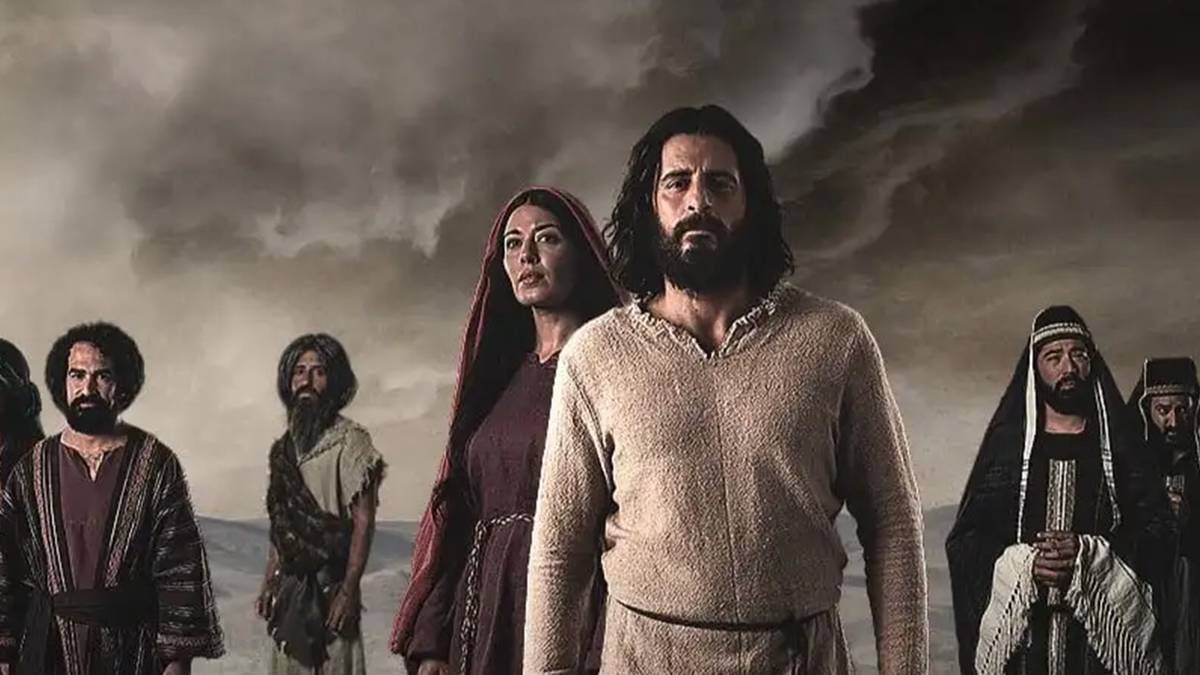
In response, Dallas Jenkins, co-founder and driving creative force behind The Chosen, has firmly denied any wrongdoing. The series first gained attention for its innovative use of equity crowdfunding, a model that differed significantly from traditional donation-based platforms. Early investors purchased shares for as little as $1 each, with the understanding that they would own equity in perpetuity once the project recouped 120% of their initial investment. This approach allowed The Chosen to raise millions while treating the funds as investment capital rather than taxable donations.
The controversy highlights the complex realities of turning a passion project into a major media enterprise. What started as a grassroots effort supported by thousands of faithful backers has evolved into a multimillion-dollar franchise. While the show’s artistic and commercial achievements are undeniable, the lawsuit casts a shadow over the financial decisions made during its transition from crowdfunded underdog to industry player. Many original investors feel betrayed by what they perceive as a bait-and-switch tactic — lured in with promises of long-term ownership only to be forcibly removed when the project’s value skyrocketed.
This case serves as a cautionary tale about the risks inherent in equity crowdfunding, particularly in faith-based entertainment. It raises important questions about transparency, corporate governance, and the moral obligations of producers who build their success on the financial and emotional investment of a dedicated community. As The Chosen prepares to deliver its most ambitious and spiritually significant chapters, the lawsuit serves as an unwelcome distraction that could impact both its reputation and future operations. Whether the claims hold up in court remains to be seen, but the dispute has already sparked intense discussion about the true cost of success in one of the most unique production stories in recent television history.