The Off Campus series on Prime Video is returning with its second season, but fans of Elle Kennedy’s original novels are already noticing a major deviation from the source material. The production team has confirmed that the story of Allie and Dean will take a new direction, a choice that has left some viewers feeling conflicted. While the creators acknowledge the meticulous world-building Kennedy achieved in her books, they have opted to restructure certain storylines, a move that could reshape the emotional dynamics and narrative threads that audiences have grown attached to. In particular, a key connection that linked the characters to The Deal, the central story of the first book, has been altered, creating ripples of both anticipation and unease among longtime fans.

Season one of Off Campus introduced viewers to the world of college ice hockey players and their romantic entanglements, focusing on Garett Graham, the confident team captain, and Hannah Wells, an aspiring singer-songwriter. Their story, adapted from Kennedy’s first novel, provided the blueprint for the series’ mix of sports, romance, and coming-of-age drama. While the adaptation stayed largely faithful in capturing the spirit of The Deal, the second season is expected to diverge, with the Allie and Dean storyline receiving particular attention. Levy, a key creative voice behind the show, emphasized her excitement about exploring these characters more deeply. She praised Kennedy’s original work, stating that the author “did such a great job building out the characters in her world,” and that this foundation has allowed the series to expand beyond what the books could cover in a single narrative arc.

The decision to alter certain story elements, however, has sparked debate among the fanbase. Many readers are aware that The Deal established critical emotional connections that anchored the series’ universe. By modifying these connections in the adaptation, the showrunners risk alienating viewers who were expecting a faithful continuation of the relationships and storylines they loved. As one observer dryly noted, “You can’t just tinker with the glue that holds the original story together and expect everyone to cheer. Some of us read those pages and invested emotionally; we want to see the payoff we were promised.” This tension between creative license and fan expectation is a familiar challenge in adaptations, especially when dealing with beloved literary properties.
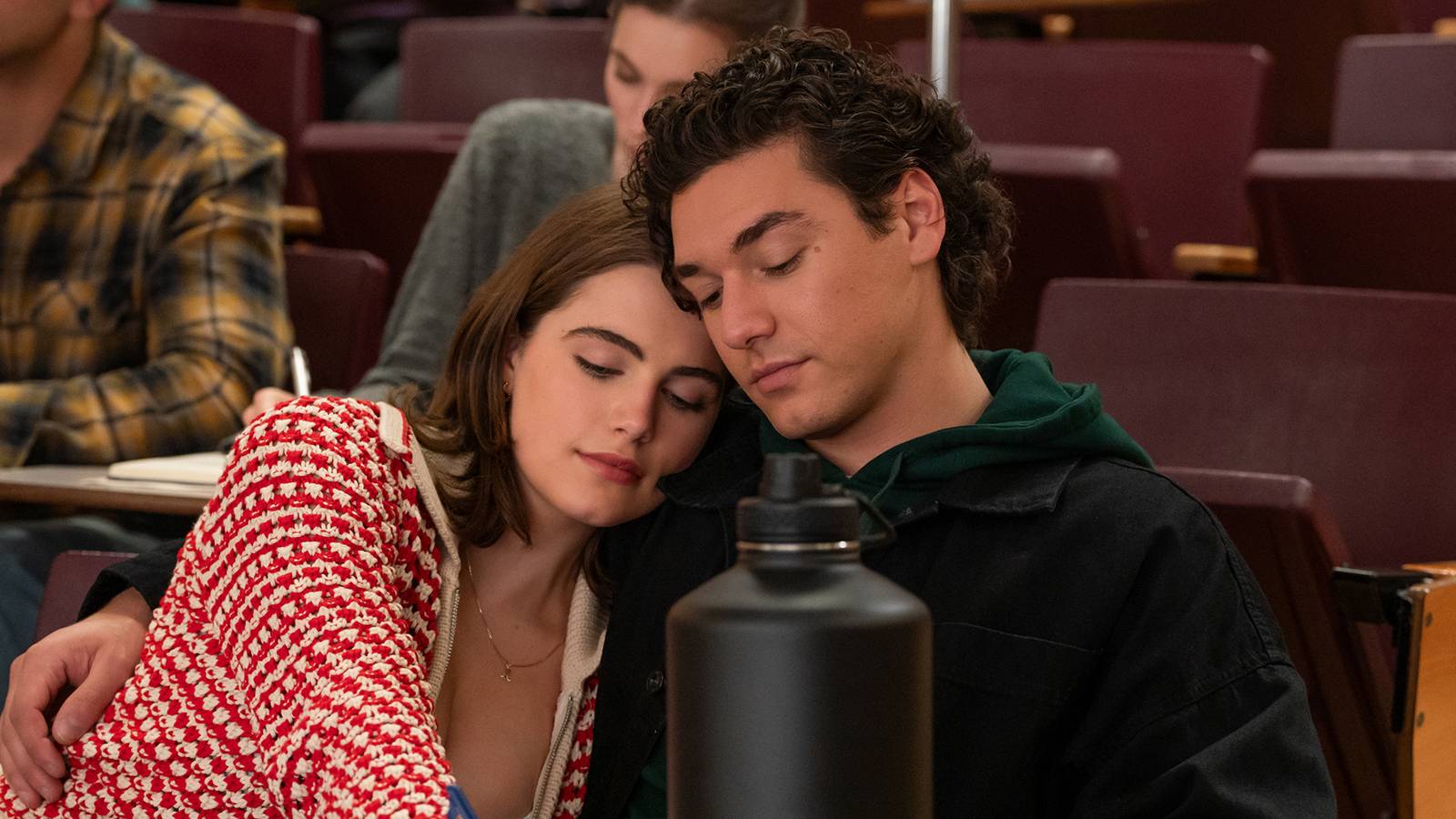
Despite the controversy, there are compelling reasons behind the changes. Levy indicated that season two provides an opportunity to explore the complexities of Allie and Dean’s relationship in ways that were not possible in season one. Characters like Tucker and Logan, who received limited attention in the first season, will be fleshed out further, revealing new layers of their personalities and personal histories. These narrative expansions reflect a desire to deepen the audience’s engagement with the series, allowing viewers to experience a more nuanced portrayal of the college environment, friendships, and romantic entanglements. It is a strategic choice that underscores the show’s ambition to evolve beyond a simple one-to-one adaptation of the books.

The creators also suggested that the adaptation may rearrange the sequence of events compared to the novels, giving the writers flexibility to craft a narrative that works for television while still honoring the source material. By incorporating elements like Hunter into Dean’s storyline, the show introduces additional tension and complexity, allowing Dean’s carefree exterior to contrast with deeper internal struggles. This opens the door to edgier, more dramatic storytelling, aligning the series with contemporary television trends where character depth and moral ambiguity are increasingly valued. It also positions the show to explore themes that resonate with a modern audience, such as personal growth, ethical dilemmas, and the pressures of social dynamics.
From a production perspective, these choices are as much about pacing and viewer engagement as they are about narrative fidelity. By deviating from the strict chronology of the books, the series can focus on character-driven storylines that maintain suspense and emotional investment over multiple episodes. This approach mirrors successful adaptations like Bridgerton, where each season tackles a different story while allowing room for character development and thematic continuity. For viewers, this means that the emotional stakes are higher and the storytelling more dynamic, even if it comes at the cost of strict adherence to the original novels.
Ultimately, the decision to diverge from The Deal underscores the delicate balancing act inherent in literary adaptations. The production team must honor the legacy of Kennedy’s characters while also providing a fresh and engaging narrative that suits the episodic format of streaming television. Fans can expect a season that explores new dimensions of the characters, tests their relationships, and offers surprises that were not present in the original texts. While some may lament the changes, others will welcome the deeper insights and expanded storylines, recognizing that adaptations inevitably involve negotiation between fidelity and creative innovation.
As all episodes of season one remain available on Prime Video, viewers are encouraged to revisit the original stories while anticipating the evolution of Allie, Dean, and the wider cast in season two. The series promises a blend of romance, drama, and character exploration that, while different from the novels, aims to capture the spirit and emotional resonance that made Off Campus a beloved story from the start.