The latest episode of The Pitt delivers one of its most emotionally intense chapters yet, shifting the spotlight firmly onto Dr. Michael “Robby” Robinavitch and the unraveling state of his mental and emotional well-being. What once appeared to be a composed, if slightly overworked, emergency room leader now feels like something far more fragile—and far more dangerous.
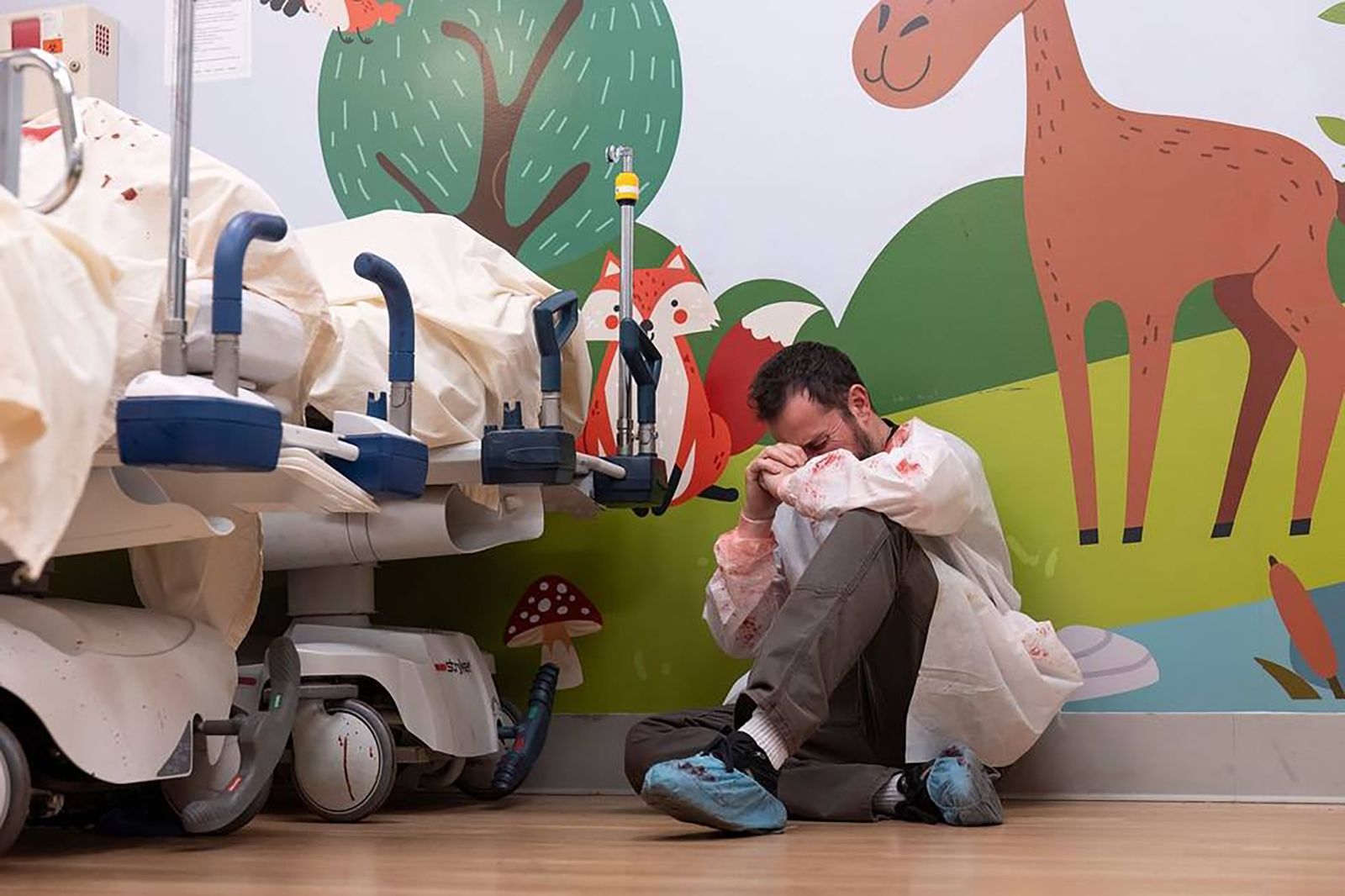
Throughout the episode, Robby’s behavior grows increasingly erratic. He lashes out at colleagues, publicly shaming them in moments that feel less like leadership and more like desperation. His frustration is no longer contained behind professionalism; instead, it spills into the open in ways that make those around him visibly uncomfortable. For longtime viewers, this is not entirely surprising—there have been hints all season—but this episode removes any remaining ambiguity.

What makes this portrayal particularly striking is how the show chooses to reveal it. Rather than relying on dramatic breakdowns alone, it layers in subtle, almost easy-to-miss details. The slight tremble in Robby’s voice during tense conversations, the way his words come out sharper and more impulsive than before, and the moments where his composure seems to flicker—all of these signals build a portrait of someone struggling to hold themselves together.

One scene in particular stands out, when Dana confronts him directly about his behavior. Instead of deflecting or denying, Robby reveals something deeply personal: his fear of leaving people behind. He lists his concerns about nearly every member of the department, from their professional stability to their personal struggles. It is not just frustration—it is anxiety, guilt, and a sense of responsibility that has clearly become overwhelming.
A viewer reaction circulating online captured this perfectly: “He doesn’t trust the system to survive without him—and that’s what’s breaking him.” That interpretation aligns with what the episode suggests. Robby is not simply exhausted; he is carrying the emotional weight of an entire department, convinced that everything might fall apart if he steps away.
The most chilling moment arrives when he poses a question that has been quietly building throughout the season: what if he doesn’t come back? The line lands with unexpected force, leaving Dana—and the audience—momentarily stunned. It reframes everything that came before, transforming what seemed like a temporary break into something potentially permanent.
Beyond Robby’s personal crisis, the episode reinforces the relentless pressure of the emergency room environment. Cases pile up, each one carrying its own moral and emotional complexity. A young asthma patient nearly dies because his family cannot afford medication, highlighting systemic failures in healthcare. Another patient suffers catastrophic injuries under ambiguous circumstances, leaving doctors to question not just medical decisions, but the social conditions that led there.
These cases do more than fill the narrative—they amplify the strain on the characters. For Robby, each new situation adds another layer to an already overwhelming burden. For others, like Mohan and Ogilvie, the toll becomes equally visible. Mohan begins to crack under pressure, while Ogilvie is left shattered after a fatal misdiagnosis, questioning whether he belongs in the emergency room at all.
In contrast, the episode offers a quieter but equally powerful perspective through Whitaker, who articulates why some doctors choose to stay despite the chaos. He speaks about the value of being present for people on the worst days of their lives, offering a reminder that purpose can coexist with pain. It’s a perspective that seems to linger in the background of Robby’s storyline, almost as a counterpoint to his growing despair.
What makes this episode particularly effective is how it balances these different emotional threads. It does not present Robby as a villain, nor does it excuse his behavior. Instead, it paints a complex picture of burnout—one that feels both deeply personal and broadly relatable. The small details, from his tone of voice to his inability to let go, become just as important as the larger narrative beats.
There is also a sense that this is not the end of Robby’s arc, but the beginning of something more uncertain. His potential departure hangs over the episode like a shadow, raising questions about what the department—and the show itself—would look like without him. At the same time, there are hints that his connection to the work may ultimately pull him back, even if only after he confronts what he is going through.
As the episode closes, one thing becomes clear: the warning signs are no longer subtle. What was once hinted at is now undeniable. Dr. Robby is at his limit, and whatever comes next will not just affect him—it will ripple through everyone around him.
And if the smallest details are already telling this much, then the future they are pointing toward may be far more difficult to face than anyone is ready for.