Jackson Wang has never been the kind of artist who quietly lets people rewrite his identity for him, and this week he made that clearer than ever with a blunt, highly personal response that set off fresh conversation online.
According to a recent Koreaboo report, the GOT7 star spoke out after a social media user criticized the image and themes surrounding his current artistic direction, particularly the provocative energy tied to his upcoming SEX GOD album. The backlash appears to have centered on the idea that Jackson’s public persona is somehow performative, exaggerated, or disconnected from who he “really” is. But Jackson pushed back hard against that framing, making it clear that he sees no contradiction between his art and his identity.

The moment began after Jackson posted a message on April 16 in which he reflected on being transparent about himself through the years. In that post, he insisted that he has never changed or hidden who he is, and suggested that anyone paying close attention to Magic Man 2 should already understand the emotional complexity he has been expressing through his work. Rather than presenting one neat version of himself, Jackson described his music as showing different sides of who he is.
That message quickly drew a pointed reply from one critic, who accused him of still carrying unresolved trauma and argued that his “sex god” image was not authentic. The person also suggested he was “too old” for the rebellious energy he is currently embracing, even telling him to “start settling down.” The criticism did not just question Jackson’s art. It tried to impose a version of adulthood, healing, and identity onto him from the outside.

Jackson did not ignore it. Instead, he responded in a way that made his frustration unmistakable. He sarcastically pushed back on the idea that he needed to become the version of himself that strangers thought would be more acceptable, and he also directly rejected the suggestion that GOT7 had left him with trauma. Then he escalated the confrontation by going to the critic’s account and replying to an unrelated post, dismissing the assumptions being made about him as nothing more than that person’s imagination.
He later responded to another person making similar claims, questioning how internet observers could possibly believe they truly knew him. In that reply, Jackson appeared especially irritated by the way people project their own expectations onto him and then mistake those projections for truth. His message was sharp: what many people call insight is often just personal perception dressed up as certainty.
The exchange struck a nerve because it touched on something far bigger than one online argument. For years, fans have complained that idols are expected to absorb invasive commentary in silence while the public endlessly debates who they are, how they should act, and what kind of image is acceptable. Jackson’s response cut directly against that pattern. Instead of staying quiet, he confronted the criticism head-on and refused to let strangers define his maturity, his healing, or his artistic intent for him.
There is also something revealing about the timing. Jackson is currently on his Magic Man 2 world tour, a period in which he has been especially vocal about his future plans and creative direction. That visibility has clearly intensified scrutiny, especially as he leans harder into material that is more confrontational, raw, and sexually charged than what some fans may have expected or wanted from him. The backlash, then, is not just about one post. It reflects a deeper tension between an idol trying to assert full ownership over his image and a section of the audience still clinging to a version of him they feel more comfortable with.
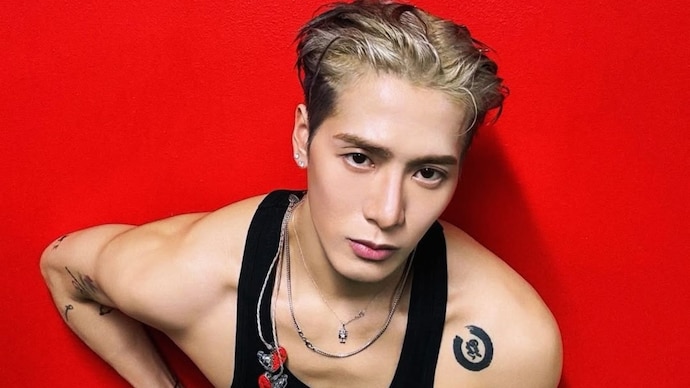
What makes the incident so compelling is that Jackson did not merely deny the accusations. He exposed the underlying arrogance behind them. His replies suggested that many of these judgments are not rooted in genuine concern, but in entitlement — the belief that being a fan, a follower, or an observer somehow gives people the right to decide what an artist’s real self should look like. That is what he appeared to reject most forcefully.
In the end, the clash was not only about criticism. It was about control. One side tried to reduce Jackson Wang to an image they found appropriate, digestible, and age-approved. Jackson answered by insisting that his identity is not up for public redesign. And in doing so, he delivered the kind of response many idols are rarely seen giving out loud: messy, irritated, deeply personal, and impossible to misread.