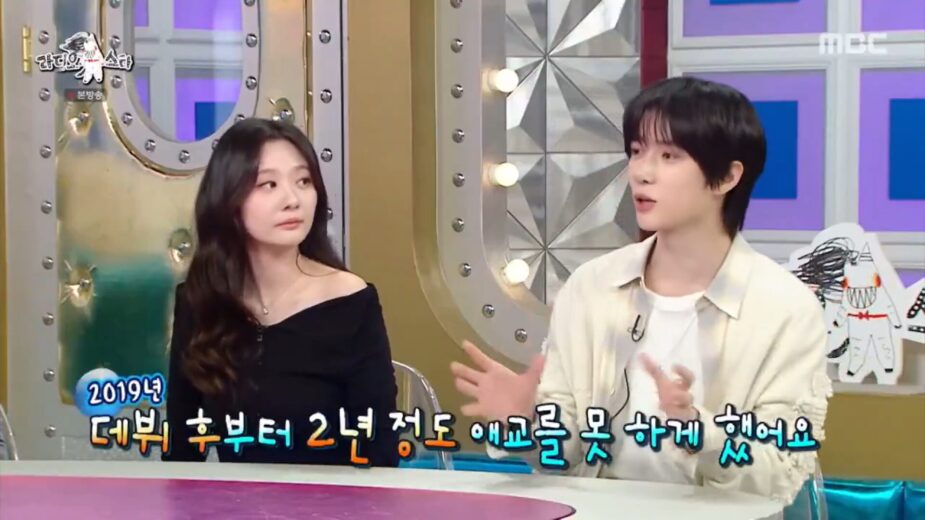
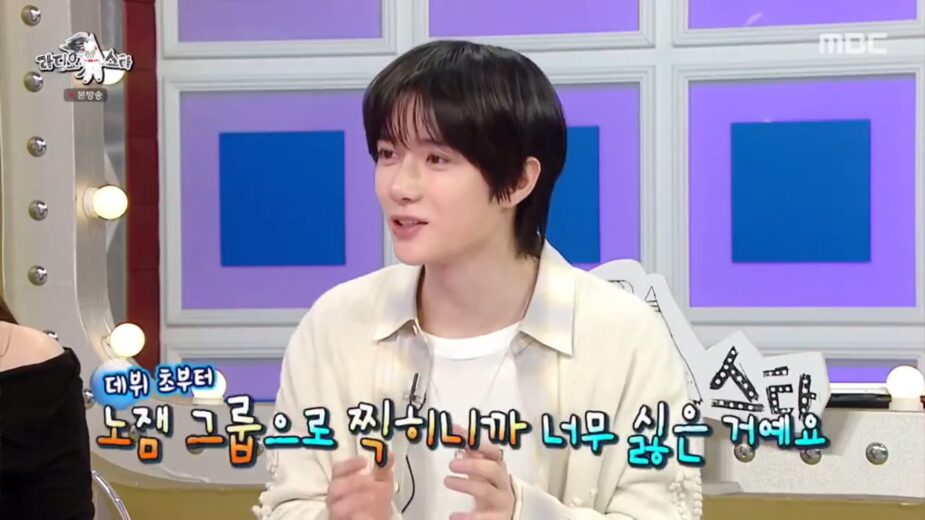
TXT member Beomgyu has openly criticised his agency’s early management decisions, claiming that strict instructions to maintain a polished “prince-like” concept significantly hindered the group’s ability to showcase their true personalities during their debut period. The candid revelation, made during a recent appearance on the popular MBC variety show Radio Star, has sparked widespread discussion among fans and industry observers about the challenges idols face when forced to adhere to artificial concepts that clash with their natural charm.
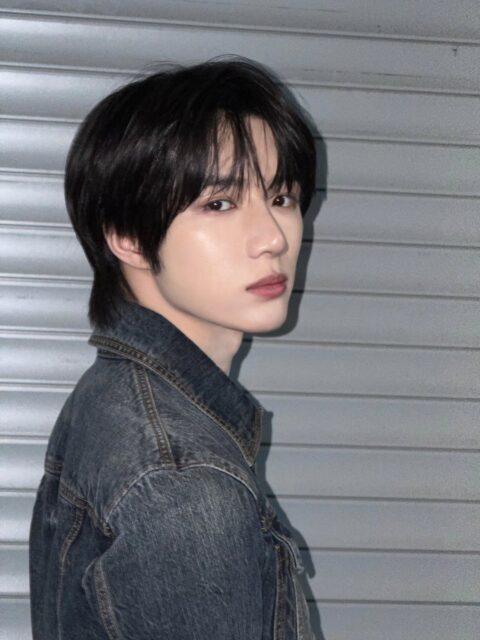
According to Beomgyu, when TOMORROW X TOGETHER debuted in 2019 under BIGHIT MUSIC (now part of HYBE), the company explicitly instructed the five members to project a refined, elegant image reminiscent of princes. This directive extended beyond stage performances and music videos — it applied even to variety show appearances. The members were reportedly forbidden from doing aegyo (cute gestures), heart signs, or any playful behaviour that might undermine the sophisticated concept the label had envisioned.
🧸 when we first debuted, the company really wanted to push a “prince” image for us. because of that, they wouldn’t let me do things like aegyo when we went on variety shows.
🧸 even though i just wanted to give hearts or do a little aegyo for our fans, they intentionally made… pic.twitter.com/hLgQaTOb9r— 녱🐱 (@tyun1uv) May 6, 2026
Beomgyu explained that this rigid approach quickly proved counterproductive. Instead of coming across as charming and regal, TXT were frequently labelled as “boring” or “stiff” by viewers. He recalled specific instances where he attempted to inject humour or cuteness into broadcasts, only for his scenes to be edited out during post-production. Even subtle attempts to show his lively personality were suppressed, leaving the group struggling to connect with audiences in the way they naturally could.
The turning point came when TXT began conducting their own livestreams. Realising that live broadcasts could not be heavily edited, the members decided to defy management’s restrictions and display their authentic selves. Beomgyu described how they gradually pushed boundaries until BIGHIT eventually relented, allowing the group to embrace their energetic, playful, and chaotic charm — the very qualities that have since become central to their global appeal.
This revelation has elicited strong reactions from MOAs (TXT’s fandom). Many expressed frustration at what they perceived as misguided marketing from the agency, especially given the group’s naturally youthful and endearing concept. Fans pointed out the irony of attempting to craft a “prince” image while dressing the members in outfits that often appeared mismatched or overly casual. Others shared clips from early appearances, highlighting how editing and restrictions had suppressed the members’ humour and chemistry.
Beomgyu’s comments have also reignited broader conversations about idol management practices within K-pop. Many idols across different agencies have previously shared similar experiences of being required to suppress their real personalities in favour of carefully curated concepts. Critics argue that such strategies can hinder long-term fan connection, while supporters of the industry note the commercial pressures involved in launching new groups.
Despite the early struggles, TXT have since flourished by embracing a more versatile and authentic image. Their evolution from a somewhat reserved debut group to one known for chaotic energy, deep friendship, and genre-blending music has earned them a dedicated international following. Beomgyu’s willingness to speak openly about these challenges demonstrates the group’s growing confidence and maturity as artists who have carved out their own identity beyond initial company directives.
This is not the first time TXT members have addressed early career difficulties. The group has previously discussed the intense pressure of debuting under the shadow of BTS, as well as the challenges of establishing themselves as a distinct act within the HYBE ecosystem. Beomgyu’s latest comments add another layer to the narrative of their journey, highlighting how internal restrictions nearly stifled their natural appeal.
For fans, the revelation has been both validating and bittersweet. Many MOAs feel it explains why early TXT content sometimes felt restrained compared to the vibrant group known today. At the same time, it underscores the members’ resilience and determination to break free from imposed limitations. The story has also prompted appreciation for how far the group has come, now celebrated for their unfiltered personalities and strong camaraderie.
In the wider context of K-pop, Beomgyu’s account serves as a reminder of the delicate balance agencies must strike between strategic branding and allowing artists to shine authentically. While concept-driven debuts remain a cornerstone of the industry, overly restrictive approaches risk alienating both idols and audiences. TXT’s experience illustrates how permitting genuine self-expression can ultimately strengthen a group’s connection with fans and contribute to long-term success.
As TXT continues to thrive with bold concepts, global tours, and chart-topping releases, Beomgyu’s candid reflection offers valuable insight into their formative years. It humanises the members further, showing that even highly successful idols faced significant hurdles in their early days. For aspiring artists and long-time supporters alike, the story reinforces an important message: authenticity often triumphs over manufactured perfection.
The discussion around TXT’s debut strategy reflects fans’ deep investment in the group’s growth. While some may view the early management decisions as misguided, they ultimately became part of the narrative that makes TXT’s journey so compelling. As the members continue evolving, their willingness to share these behind-the-scenes stories only strengthens the bond with MOAs who have witnessed their transformation from constrained “princes” to confident, multifaceted artists.