The music industry is currently in a state of high alert as a firestorm erupts around BTS and their record-breaking single, Swim. The track, which recently debuted at number one on the Billboard Hot 100, is now being dragged through the mud by a copyright infringement lawsuit. Three US-based songwriters have levelled serious allegations, claiming that the song is a direct lift from their own demo recorded back in early 2025. Big Hit Music, however, is having absolutely none of it. They have come out swinging, flat-out rejecting these claims and asserting that the track was birthed through a process of independent creation.
Let’s peel back the layers of this drama. The plaintiffs—Steve Cooper, Jon Sandler, and Greylyn Johnson—allege that during the creative sessions for the Arirang album in Los Angeles, their demo made its way into the ecosystem of BTS’s creative team. They are pointing to a digital paper trail, specifically a listening report from the platform Disco.ac, which they claim proves that representatives at the publisher, Artist Publishing Group, actually engaged with their track. They have even gone as far as hiring a musicologist to provide a forensic breakdown of the similarities, and surprise, surprise, the expert concluded that copying is the inescapable conclusion. It is a classic narrative of the little guys fighting a global powerhouse, armed with evidence and a burning sense of injustice.
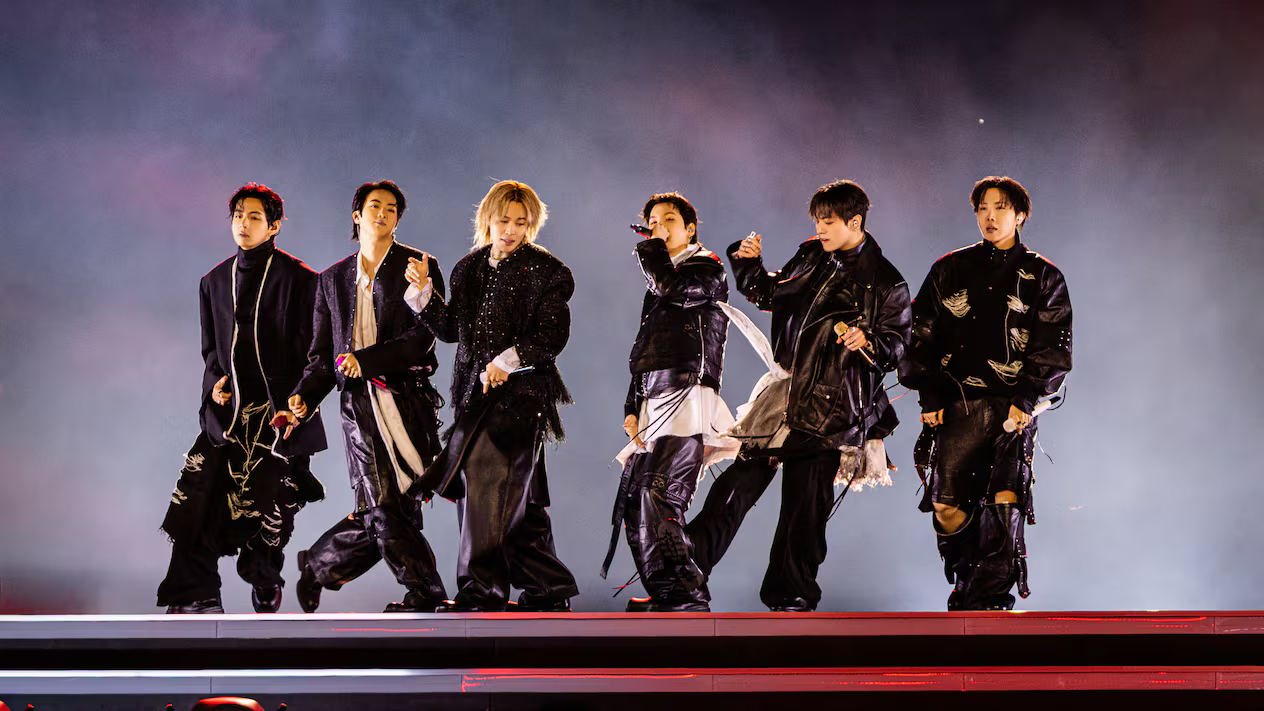
But here is where the plot thickens. Big Hit Music’s rebuttal is blunt and uncompromising. They have dismissed the lawsuit as unilateral and entirely unsubstantiated. By framing their defense around the sanctity of independent creation, they are not just protecting a song; they are defending the artistic integrity of the entire BTS creative machine. It’s a bold stance, especially given that this is the third copyright suit hurled at HYBE in just two months. When you look at the bigger picture—the mounting pressure from similar legal battles involving other acts under the HYBE umbrella, like NewJeans—it becomes clear that this is about more than just one song. It’s about the credibility of the world’s biggest K-pop conglomerate in the face of an increasingly aggressive and litigious songwriting community.
&imwidth=800&imheight=600&format=webp&quality=medium)
The plaintiffs are not asking for pocket change; they are seeking an injunction to stop the track from being played, along with a cut of the massive profits it has generated. Or, in a slightly more conciliatory move, they are demanding co-writing credits on the track. The fact that the BTS members themselves aren’t named as defendants is a strategic choice, likely meant to keep the heat on the corporate entities—HYBE, Big Hit, and the credited writers. Still, the fallout from this, regardless of the legal outcome, is messy. It creates a narrative that the creative process behind K-pop blockbusters is less about divine inspiration and more about a high-stakes, cutthroat game of musical chairs where demos are harvested and repurposed under the guise of originality.

Ultimately, this whole debacle serves as a harsh reality shift for fans and observers alike. It forces us to confront the uncomfortable truth that behind the polished aesthetic and the record-shattering charts lies a corporate machinery that is as prone to legal friction as any other. The fans are trapped in the middle, having to decide whether to treat this as an isolated case of misunderstanding or as a symptom of a larger, systemic issue. Is it possible that the lines between inspiration and imitation have become so blurred that lawsuits are the only way to redraw them?
We are watching a high-stakes courtroom drama unfold in real-time, one where the currency is not just money, but artistic authenticity. The label’s firm stance is a double-down on their brand’s prestige, but the plaintiffs are clearly banking on the idea that the court of law, unlike the court of public opinion, will not be swayed by star power. Whether the song is a testament to the label’s genius or a product of alleged industrial plagiarism, the outcome of this case will send shockwaves through the industry. It puts every major label on notice that in an era of global connectivity, the path from a demo in a private inbox to a number one hit on the world stage is under constant, forensic surveillance. The days of “it just sounds similar by accident” are effectively over.