A recent AI-generated video parodying aespa’s latest track “LEMONADE” has gone massively viral, but not for the reasons one might expect. Instead of celebrating the group’s music, the clip repurposes the song’s lyrics to mock and summarise the members’ so-called “scandals.” The edit has ignited fierce backlash online, with many netizens condemning it as a prime example of misogynistic hate disguised as humour.
The video, which first gained traction on X (formerly Twitter), cleverly alters the lyrics of “LEMONADE” to reference various controversies aespa has faced since debut. These include the backlash surrounding their earlier release “Rich Man,” Winter’s dating rumours with BTS’s Jungkook (including alleged couple tattoos), long-standing debates about tone-up cream usage, plastic surgery allegations, and other minor incidents that critics have amplified over the years. The parody presents these issues in a mocking tone, framing them as evidence of the group’s problematic behaviour.
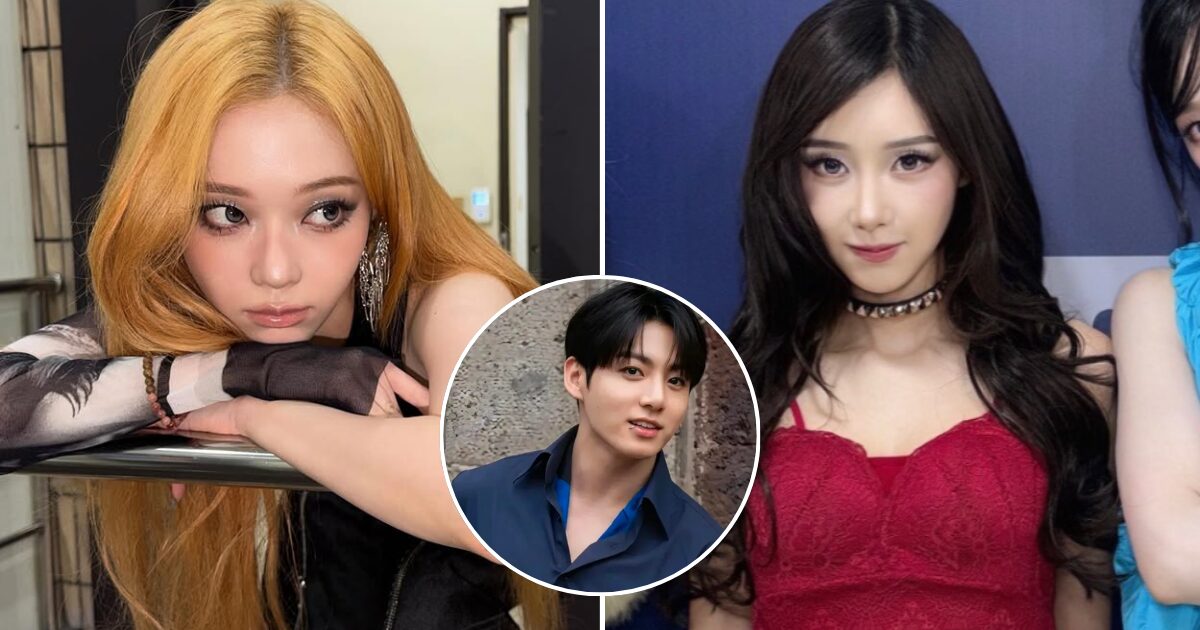
One tweet sharing the video quickly amassed over 7,000 likes, with the caption: “lemonade by aespa but it’s a summary of their scandals…😭”. However, the majority of replies pushed back strongly against the content. Many fans and observers pointed out that the so-called scandals largely reflect industry-wide norms or outright misogyny rather than genuine wrongdoing. Comments highlighted how common practices like dating, skincare routines, or cosmetic procedures are weaponised against female idols, particularly those as successful and visually striking as aespa.
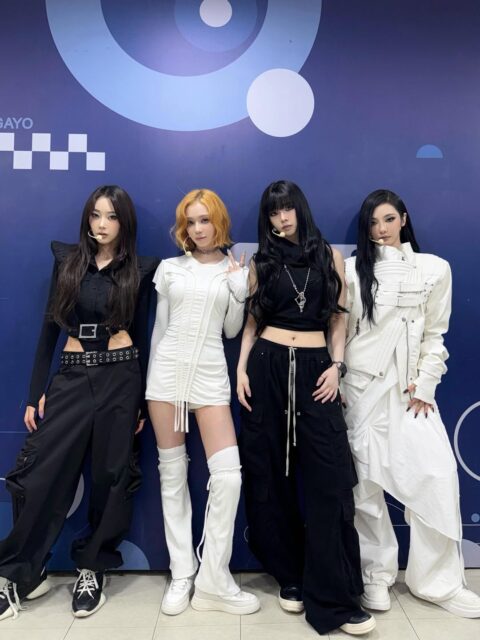
Critics of the video argued that it exemplifies the toxic “hate train” aespa has endured since their meteoric rise. One user wrote, “This video proving that their ‘scandals’ is them just facing a bunch of misogyny,” while another noted, “Their ‘scandals’ being alleged plastic surgery, tone-up cream and dating, which every single person in this industry does/has done.” Others slammed the use of AI to mock young women, calling the edit “shitty and corny” and accusing it of contributing to harmful online harassment.
scandals but all the lyrics are misogynistic hater slop produced by an ai, y’all gag at anything but then hoot and holler over “OUT of spotify global” https://t.co/Pa9UHUVQrW
— 레모니 (@phamnatural) June 5, 2026
Since their debut under SM Entertainment, aespa has consistently been one of the most talked-about fourth-generation girl groups. Their innovative concept blending real-world idols with virtual avatars (æ members) brought them massive success, but it also made them prime targets for scrutiny. Every minor controversy — from styling choices to personal relationships — seems to be magnified, often by rival fandoms or anti-fans seeking to undermine their popularity. Many Black Mamba (aespa’s fandom) members believe this stems from jealousy over the group’s rapid achievements, strong global following, and bold artistic direction.

The backlash against the AI edit reflects growing awareness around the unfair standards imposed on female K-pop idols. While male idols often face far less criticism for similar behaviours, female artists are frequently judged on appearance, dating lives, and perceived “purity.” aespa has been particularly vulnerable due to their high visibility and the intense parasocial relationships some fans develop with them. The group has previously addressed dating rumours, political misunderstandings, and performance critiques, yet the cycle of scrutiny continues.
This incident also raises important questions about the role of AI in fan culture. While artificial intelligence can create entertaining content, it is increasingly being used to spread negativity, deepfakes, and harmful narratives. In this case, turning a celebratory track like “LEMONADE” into a vehicle for mockery highlights how technology can amplify existing biases and hatred within online communities.
Despite the negativity, aespa continues to thrive. Their music, performances, and innovative concepts have earned them a dedicated international fanbase that actively defends them against such attacks. The members have shown remarkable resilience, focusing on their artistry and maintaining professionalism amid constant online noise. Recent activities, including group comebacks and solo projects, demonstrate their determination to rise above the scandals manufactured by detractors.
The viral video ultimately says more about certain segments of K-pop fandom than about aespa themselves. It reveals a troubling tendency to weaponise minor issues and personal choices against successful young women. As conversations around mental health, body image, and fair treatment in the industry gain momentum, incidents like this serve as powerful reminders of the work still needed to create a healthier environment for idols.
For aespa, these challenges are nothing new. From their groundbreaking debut to becoming global superstars, they have consistently faced both admiration and unfounded criticism. The strong support from their fans in response to the AI edit shows that genuine appreciation for their talent far outweighs the noise from haters.
As the group continues to evolve and release new music, the hope remains that the focus will shift back to their artistry rather than manufactured controversies. In the meantime, the backlash against this viral edit stands as a clear statement: aespa’s so-called scandals are largely overblown, and the real issue lies in the misogynistic attitudes that fuel such content in the first place.
The K-pop industry, and society at large, must continue pushing for more empathy and fairness. Until then, aespa and their dedicated fandom will keep proving that talent, resilience, and genuine connection can rise above even the loudest attempts at sabotage.