In the fast-paced and often unforgiving world of K-pop, even the slightest interaction can spiral into a full-blown scandal. Recently, aespa’s Winter and BTS’s Jungkook have found themselves unwillingly pulled into the orbit of an emerging controversy surrounding Big Bang’s G-Dragon and aespa’s Karina. What began as separate fan speculations and industry interactions has evolved into a tangled web of dating rumours, fan backlash, and cross-group tensions that highlight the intense scrutiny idols face in the public eye.
The situation gained momentum following G-Dragon’s collaboration with aespa, particularly his interactions with Karina. The veteran artist, known for his influential status in the industry, featured Karina in his music video and later engaged with her content on social media. These gestures, while seemingly innocent in the context of professional collaboration, quickly fuelled dating speculation among netizens. G-Dragon’s history of high-profile relationships and his charismatic persona only amplified the rumours, drawing significant attention to Karina and, by extension, the rest of aespa.

As discussions around G-Dragon and Karina intensified, fans began connecting dots across different idols. Winter, Karina’s groupmate, and Jungkook, who has long been linked to Winter through persistent dating rumours, were inevitably swept into the narrative. Jungkook and Winter’s alleged relationship has been a hot topic for months, with fans citing supposed evidence such as matching tattoos, similar accessories, and subtle interactions during live streams. Winter’s casual mention of Jungkook’s full name, Jeon Jung-kook, during a broadcast alongside Karina further stirred the pot, leading many to speculate about deeper connections within the aespa circle.
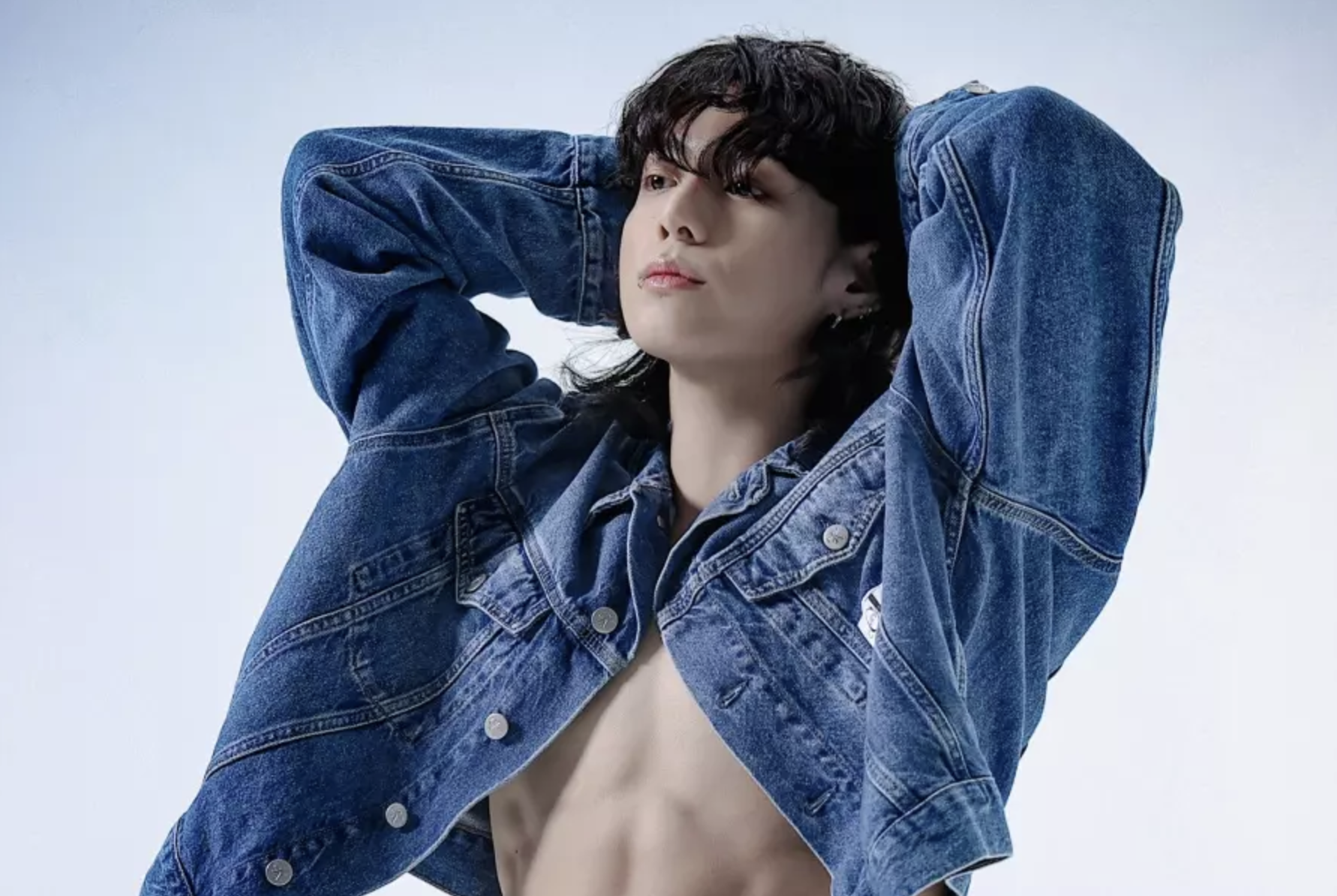
The convergence of these storylines created a perfect storm. Supporters of G-Dragon and Karina clashed with fans protective of Winter and Jungkook, resulting in heated online debates. Some accused aespa members of being strategically positioned in high-profile male idols’ orbits for publicity, while others defended the women against invasive scrutiny. Winter, in particular, has borne the brunt of fan frustration, with protest trucks appearing outside SM Entertainment’s headquarters demanding accountability over the dating rumours involving Jungkook.
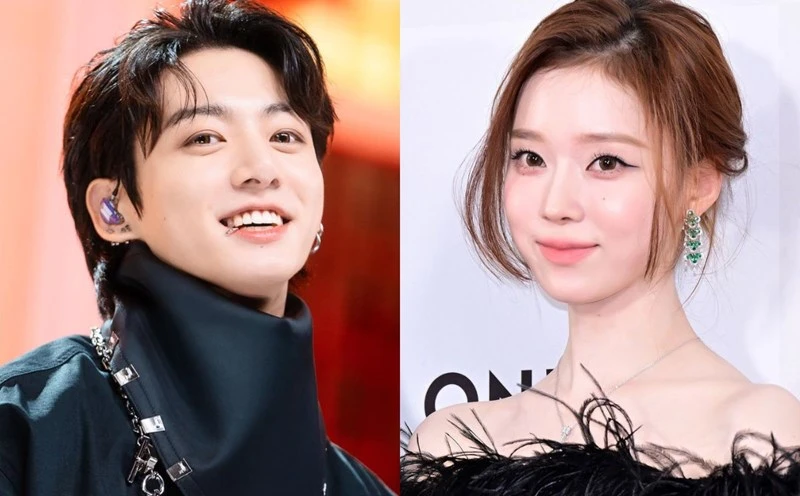
This development underscores the challenges of maintaining privacy in an industry where personal lives are constantly dissected. Jungkook, fresh from military service and enjoying a successful solo career, has faced renewed pressure as fans speculate about how these rumours might affect his image and upcoming activities. His playful personality and close friendships across groups, including the 1997 liners, have often been misinterpreted or exaggerated in the rumour mill. Similarly, Winter’s rising popularity within aespa makes her an easy target for those seeking to fuel drama.
![Bước chân tươi trẻ' của Espa Carina [☆Ảnh] | STARNEWS](https://image.starnewskorea.com/21/2026/05/2026052814114248863_1.jpg)
G-Dragon’s involvement adds another layer of complexity. As a legendary figure in K-pop with decades of experience navigating scandals, his casual likes and professional ties to aespa have been blown out of proportion. The situation has reportedly caused internal discomfort within aespa, with Karina addressing fans directly about “mixed feelings” regarding certain collaborations and public perceptions. These statements, intended to foster understanding, sometimes inadvertently add fuel to the fire.
The broader impact on the involved parties is significant. Fan communities have become polarised, with some boycotting aespa’s releases due to perceived associations and others rallying in support of the idols’ right to personal lives. The drama has highlighted ongoing issues within K-pop fandom culture, including toxic possessiveness, misogyny, and the unrealistic expectation that idols remain single to satisfy fan fantasies. Companies like HYBE and SM Entertainment have issued statements threatening legal action against malicious comments and deepfakes, but controlling the narrative remains an uphill battle.
Industry observers note that such cross-group entanglements are not uncommon but rarely escalate to this level without external amplification through social media. The 1997 liner friendships, once celebrated for their camaraderie, are now being scrutinised through a more cynical lens. Mingyu and other peers have appeared alongside Jungkook at events, yet even these wholesome moments get twisted when larger dramas loom.
For Winter and Jungkook, being dragged into G-Dragon and Karina’s narrative has been particularly taxing. Winter has responded with graceful messages to fans, emphasising her commitment to aespa and personal growth, while Jungkook has largely maintained silence, focusing on his music and brand projects. Their alleged connection, whether real or fabricated by fans, continues to generate buzz, often overshadowing their individual achievements.
This episode serves as a cautionary tale about the power of speculation in the digital age. What starts as a simple collaboration or friendly interaction can rapidly evolve into a multi-idol saga, affecting careers, mental health, and fan relationships. As the K-pop industry grows increasingly global, the need for better boundaries and more mature discourse becomes ever more apparent.
Ultimately, Winter and Jungkook’s entanglement in the G-Dragon-Karina drama reflects deeper systemic issues rather than any single misstep. While fans remain divided, many hope the idols can navigate these challenges with the same resilience they demonstrate on stage. In an era where personal and professional lives blur so easily, protecting mental wellbeing amid relentless rumours remains a critical priority for all involved.
As the dust settles, the focus may shift back to the music and performances that initially drew audiences to these artists. Yet the incident leaves a lasting impression on how interconnected the K-pop world has become — for better or worse — and how quickly innocent associations can transform into headline-grabbing controversies.