By the time The Pitt closed out its second season, one question had already started racing through the fandom: was the show finally ready to hand the spotlight to the night shift? The finale gave that idea real momentum. With the day team staggering toward the end of an exhausting Fourth of July shift and the hospital still pulsing with chaos, the arrival of the night crew did not feel like a footnote. It felt like the start of something viewers suddenly wanted much more of.

That reaction was not hard to understand. Over the course of Season 2, the night-shift characters became more than passing faces used to mark the end of Robby’s day. They developed a real pull of their own, especially as Shawn Hatosy’s Dr. Jack Abbott continued to emerge as one of the show’s most magnetic presences. Newer faces on the overnight side of the emergency room also helped build the sense that an entirely different energy was waiting after dark, one that fans were increasingly eager to follow in full rather than just glimpse in transition.
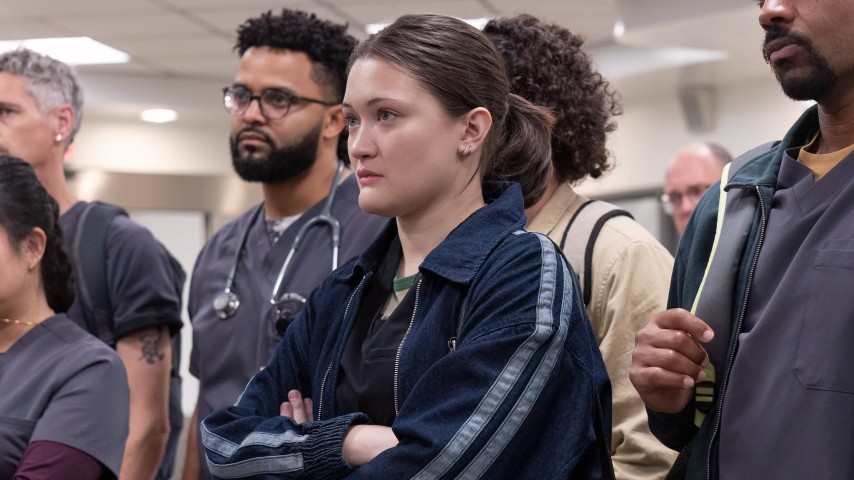
That is exactly why the idea of a Season 3 pivot started sounding so tempting. A hospital at 2 a.m. is not just the same setting under dimmer lights. It is a different emotional landscape, a different rhythm, a different kind of exhaustion. Viewers began imagining what The Pitt might look like if it leaned all the way into that graveyard-shift atmosphere and let the so-called misfits of the overnight crew carry the story from dusk to dawn. Commentary around the finale only fueled that appetite further, with fan enthusiasm pushing the possibility of a night-shift-focused season into full conversation.
But that fantasy has now hit a wall.

Showrunner R. Scott Gemmill has made it clear that, for all the excitement surrounding those characters, the night shift is not about to become the center of the show. In his view, those late-night glimpses serve a specific purpose: they remind the audience that the emergency room never truly stops, even when the characters we have been following are clocking out. The handoff from one shift to the next is part of what gives The Pitt its larger sense of continuity. The hospital remains alive beyond the frame, and the brief visibility of the night crew reinforces that illusion of nonstop motion.
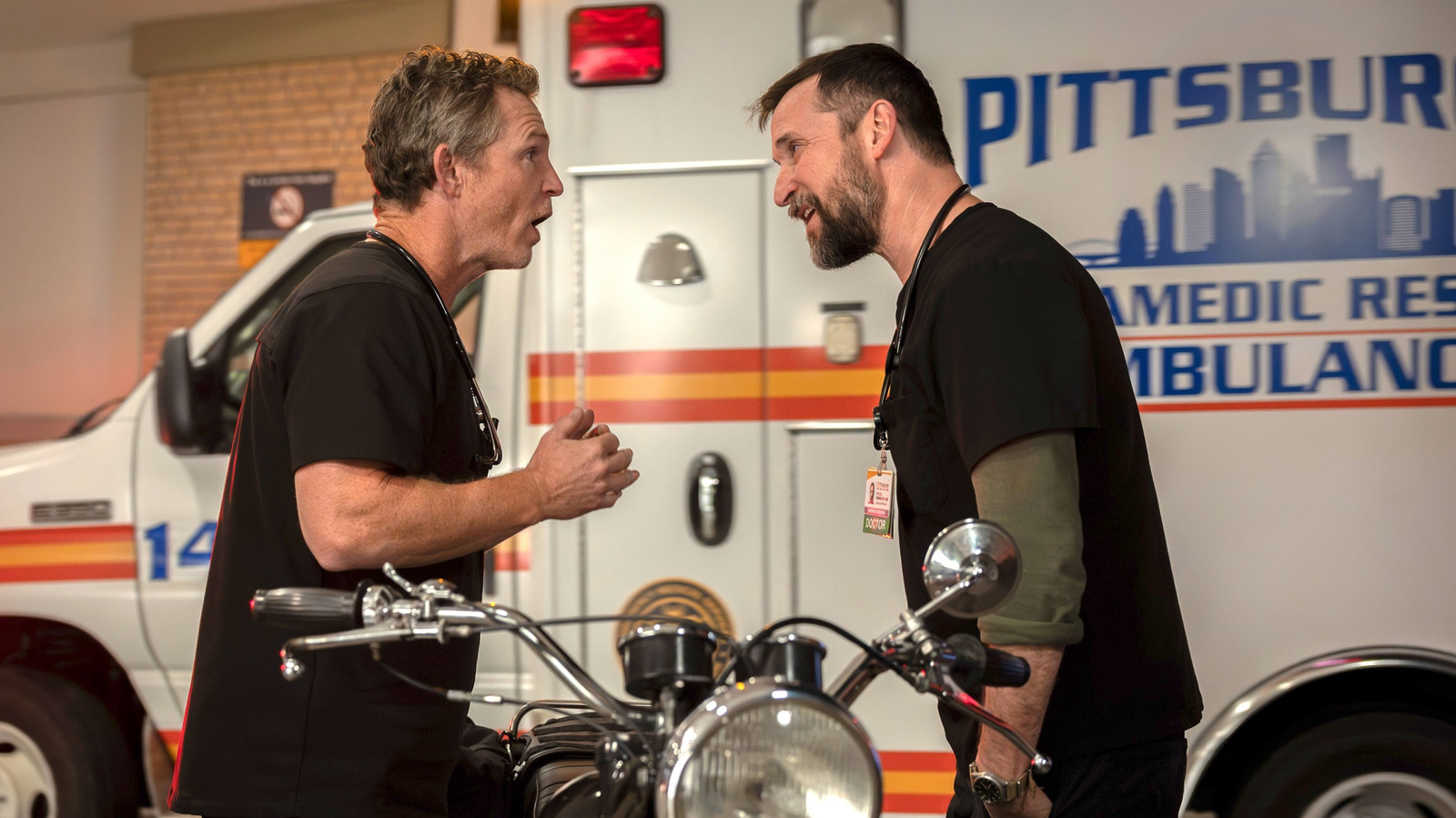
That means the overnight doctors and nurses are functioning less as the future of the series than as proof of its world-building. Gemmill’s comments suggest that the writers see the night shift as a narrative bridge, not a replacement engine. The appeal is real, but so is the boundary. Fans may want the camera to stay after sunset, yet the creators seem determined to preserve the show’s current identity rather than rebuild it around a different clock.
Even the idea of a full spinoff remains more wishful thinking than actual plan. Gemmill acknowledged that the notion has been floated to him before, which shows he is well aware of how much appetite exists for more Abbott and the after-hours team. But awareness is not commitment, and nothing he has said points to an active move in that direction right now. The message is not that the night shift lacks value. It is that the show does not see itself as belonging to them, at least not yet.
Season 3, instead, appears to be taking a different route altogether. Rather than building another season around a holiday the way the first two did, the writers are looking toward a colder month, likely November. That shift matters because it signals a desire for tonal and medical variety rather than structural reinvention. A colder setting opens the door to different emergencies, different pressures, and a different emotional temperature inside the ER, but it still keeps the core concept intact. The series is not abandoning its formula. It is adjusting it just enough to keep the next chapter from feeling like a repeat.
The writers’ room for Season 3 has already been open for over a month, and the next installment is expected to move the story forward by several months, with reports indicating the new season will be set in November and is planned for a January 2027 debut on HBO Max. That larger time jump suggests the show is more interested in emotional aftermath and institutional change than in flipping perspectives to a whole new shift. Robby’s recovery, the strain on other staff, and the evolving realities of healthcare policy are all expected to remain central.
So for fans who were hoping Season 3 would become The Pitt: Night Shift, the answer is disappointing but unmistakable. The overnight crew may be one of the show’s most exciting ingredients, but they are still being treated as part of the hospital’s larger ecosystem rather than the heart of the narrative. Their scenes are there to make the world feel endless, not to announce a takeover.
That does not kill the fascination. If anything, it may intensify it. Sometimes the quickest way to make viewers want more is to keep giving them just enough to imagine the rest for themselves. And right now, that may be exactly what The Pitt is doing with the night shift: letting it haunt the edges of the story just long enough to become the version of the show fans cannot stop wishing they had.