ITZY have suddenly found themselves at the center of a heated online fight after a viral concert clip from Sydney sparked accusations that the group looked unusually low-energy on stage, only for the criticism to spiral into a much bigger fan war once BLACKPINK’s name was dragged into the conversation. According to Koreaboo, the controversy exploded after footage of ITZY performing “Wannabe” during their Sydney stop began circulating online and quickly became a hot topic among fans and non-fans alike.
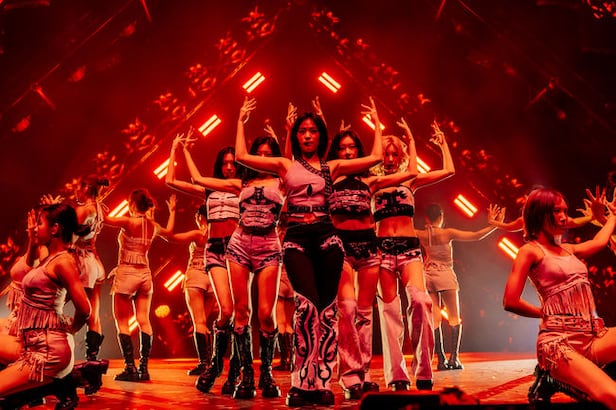
The performance itself should have been just another tour moment. ITZY had recently appeared in Sydney as part of their current world tour, and the now-viral clip showed the members performing one of their signature songs in front of a live crowd. But once the video started spreading, the mood online shifted fast. Rather than celebrating the group’s stage presence, some viewers seized on the footage as supposed evidence that the members were no longer performing with the same explosive force people once associated with them.
That is where the backlash began to turn nastier.
ITZY “월드투어 해외 공연 아주 멋진 시작, 평생 잊지 못할 추억 만들어”
멜버른, 시드니 단독 콘서트 성료! https://t.co/H0y92tJmfL#ITZY #MIDZY @ITZYofficial#ITZY_TUNNELVISION#ITZY_TNVS#ITZY_WORLD_TOUR pic.twitter.com/UyR4olLF0D— ITZY (@ITZYofficial) April 21, 2026
Koreaboo reported that the clip first drew criticism from netizens who claimed ITZY looked drained and lacked energy during the performance. The original TikTok had its comments turned off, but that did not stop the footage from escaping into the wider online ecosystem. Once reposted elsewhere, the clip was framed in a much more provocative way, with one social media post explicitly tying the moment to the so-called “BLACKPINK effect.” That phrase appeared to reference the years of controversy around BLACKPINK member Jennie and past accusations that some of her performances looked “lazy,” turning what could have remained an isolated discussion about ITZY into something far more inflammatory.
From there, the clip stopped being just about stage energy and became bait for a fandom collision.

One repost highlighted by Koreaboo directly asked whether this was the “BLACKPINK effect” people had been talking about, while also adding the pointed jab that “Rookie itzy could never,” suggesting the group had fallen far below the standard they once set for themselves. That wording helped transform the discussion from criticism into comparison, and from comparison into provocation. Suddenly, ITZY were not simply being judged on one concert video. They were being used as fuel in a much older pattern of K-pop discourse, where one group’s viral moment is weaponized to reopen old arguments about another.
But once the pile-on began, pushback arrived just as quickly.
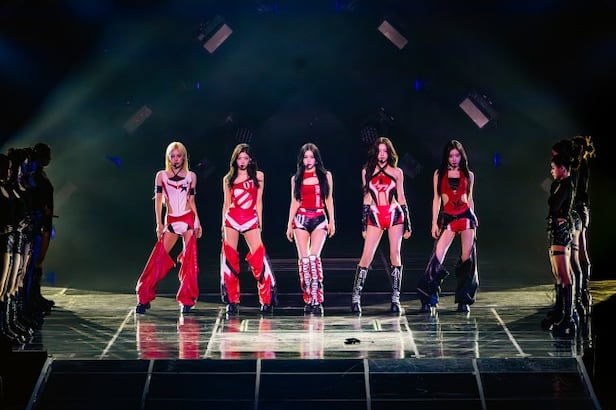
Koreaboo noted that although the initial viral response leaned critical, the quoted replies to the reposted video were filled with fans defending ITZY and rejecting the narrative that the group had somehow lost their edge. Many argued that ITZY have spent years being underappreciated for how relentlessly hard they perform, and that it was unfair to treat one clip from a full concert as proof of decline. Supporters also stressed that the group is in the middle of an intense schedule, balancing touring commitments while also preparing for a comeback, and said it was absurd to expect them to perform every song with maximum physical force at every single moment.
That defense became even stronger because fans claimed the members were singing fully live.
According to the article, several people responding to the controversy argued that the so-called toned-down energy may have been exactly what allowed ITZY to remain vocally stable during the performance. In that reading, the clip did not expose weakness at all. It exposed the trade-off that live performers often have to make: preserving breath control and consistency rather than dancing at absolute full power every second. For defenders, the outrage said more about audience expectations than about ITZY themselves. Some even argued that K-pop fans have grown so used to heavily polished or less obviously live stages that they react with shock the moment a group adjusts choreography intensity to prioritize real singing.
Others went further and treated the backlash as proof of a larger disrespect ITZY have faced for years.
As Koreaboo summarized, fans insisted that the group has rarely received the credit they deserve for the amount of effort and energy they have poured into performances throughout their career. From that perspective, the fury over one Sydney clip felt especially cruel. Instead of acknowledging a long record of demanding live performances, critics latched onto a single snippet and used it to paint an entire group as washed out or underwhelming. That was exactly why many fans reacted so strongly: they did not just see a disagreement over one performance. They saw an opportunity being taken to diminish years of hard work with one badly framed viral moment.
The BLACKPINK comparison only made the conversation uglier.
Several of the responses highlighted by Koreaboo directly rejected the attempt to connect ITZY’s performance to BLACKPINK at all, calling the comparison blatant fan-bait. Fans argued that ITZY have built their reputation on intense choreography and high-performance stages, so using one toned-down moment to drag them into BLACKPINK’s old controversies felt dishonest from the start. To them, the comparison was never about fair analysis. It was about reviving a familiar scandal structure because people knew it would trigger reactions fast.
What makes the whole episode feel so volatile is how quickly a single concert clip was turned into a referendum on work ethic, stamina, talent, and legacy. A brief performance excerpt from Sydney was no longer treated like one isolated snapshot from a full show. It became a weaponized symbol, used by critics to question ITZY’s current form and by others to reignite one of K-pop’s most toxic comparison habits.
And that is why the debate caught fire so fast. This was never just about whether ITZY looked slightly less explosive in one viral “Wannabe” clip. It became a test of how brutally the internet is willing to judge performers from a few seconds of footage, how quickly fandom discourse turns into character attacks, and how easily BLACKPINK’s name can still be used to intensify an argument that was already unstable. What should have been a fleeting tour video ended up exposing something much harsher: one moment of perceived weakness is all it takes for the online crowd to start rewriting an entire group’s story.