On a crowded opening night in New York, Ryan Gosling stepped in front of a theater audience and delivered a line that felt less like promotion and more like a challenge to an entire industry. It wasn’t the audience’s responsibility to save movie theaters, he suggested—it was Hollywood’s job to give them a reason to return. Within days, the staggering success of Project Hail Mary proved just how powerful that idea could be.

In less than two weeks, the film surged past $300 million globally, quickly establishing itself as 2026’s biggest hit so far. Even more striking, it achieved this without the usual safety net of an existing franchise or sequel status—an increasingly rare feat in modern cinema. Adapted from Andy Weir’s bestselling novel and directed by Phil Lord and Christopher Miller, the film follows a lone scientist tasked with saving humanity from an extraterrestrial threat. But its real story may lie behind the scenes—in how it reignited audience enthusiasm for original storytelling on the big screen.
What set Project Hail Mary apart began long before audiences took their seats. From its earliest stages, the production was designed not just as a film, but as an experience. The studio made a deliberate commitment to premium large-format viewing, particularly IMAX, integrating the format into the movie’s DNA rather than treating it as an afterthought. Using specialized cameras and crafting extended sequences specifically for expanded aspect ratios, the filmmakers ensured that the theatrical version would offer something audiences couldn’t replicate at home.
That decision paid off immediately. IMAX screenings accounted for a disproportionate share of the opening weekend revenue, despite representing only a small fraction of available screens. Early limited releases in high-end formats further fueled anticipation, transforming the film into a must-see event before it even reached wide audiences.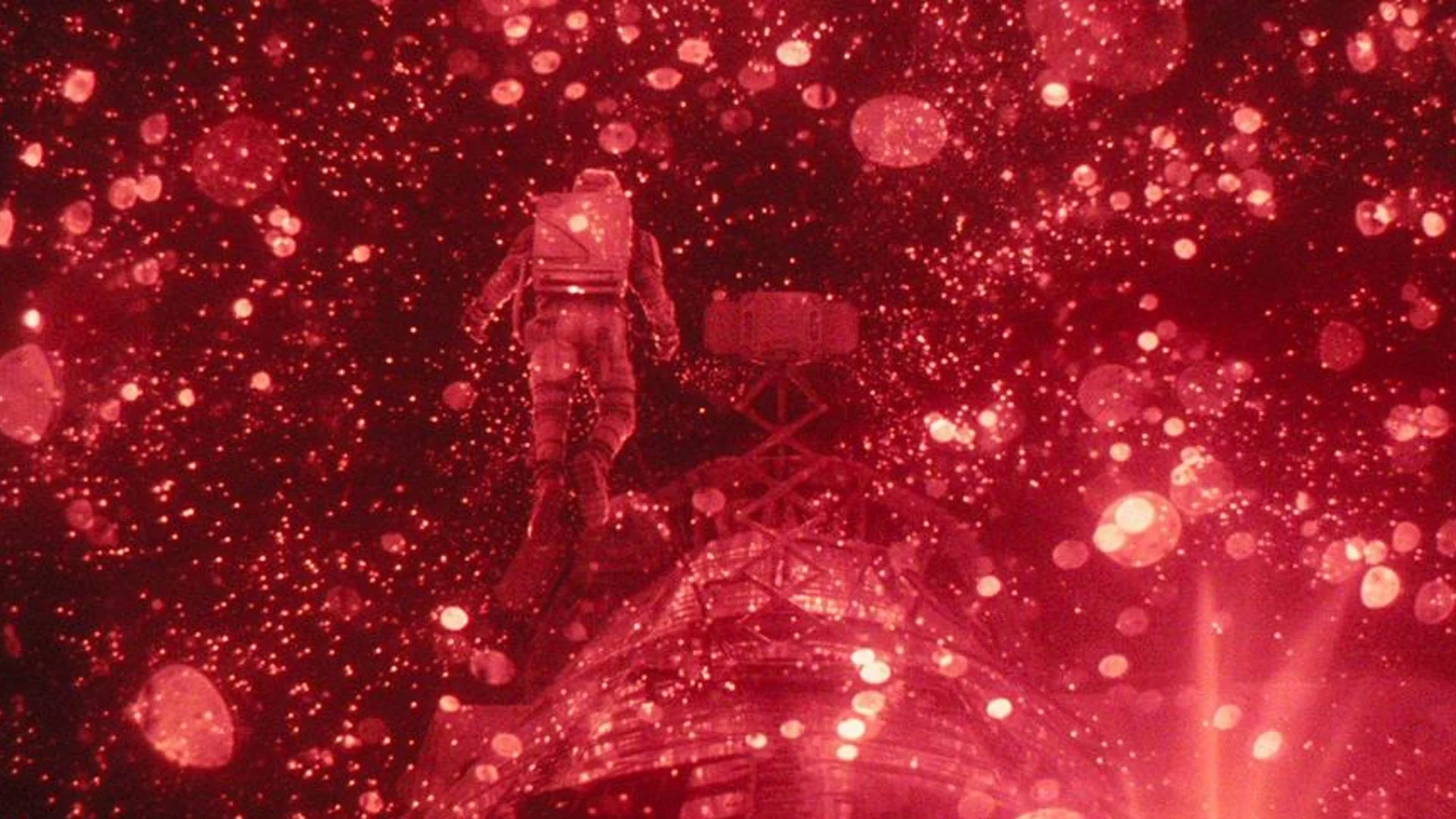
Yet spectacle alone doesn’t explain the film’s momentum. Hollywood has long understood that marketing can generate awareness—but not sustained excitement. What Project Hail Mary managed to capture was something far more elusive: genuine audience advocacy.
Viewers didn’t just watch the film—they talked about it, recommended it, and championed it. That kind of organic buzz cannot be manufactured. It stems from a combination of compelling storytelling, emotional resonance, and trust in the creative team. In this case, the source material played a crucial role. Andy Weir’s novel had already built a devoted readership, and the film’s clear respect for the original story turned those fans into enthusiastic ambassadors.
Industry analysts pointed to this fidelity as a decisive factor. By staying true to the spirit of the book, the filmmakers tapped into an existing community that was ready—and eager—to amplify the film’s release. Instead of merely adapting a story, they activated a built-in audience that helped carry the film far beyond traditional advertising reach.
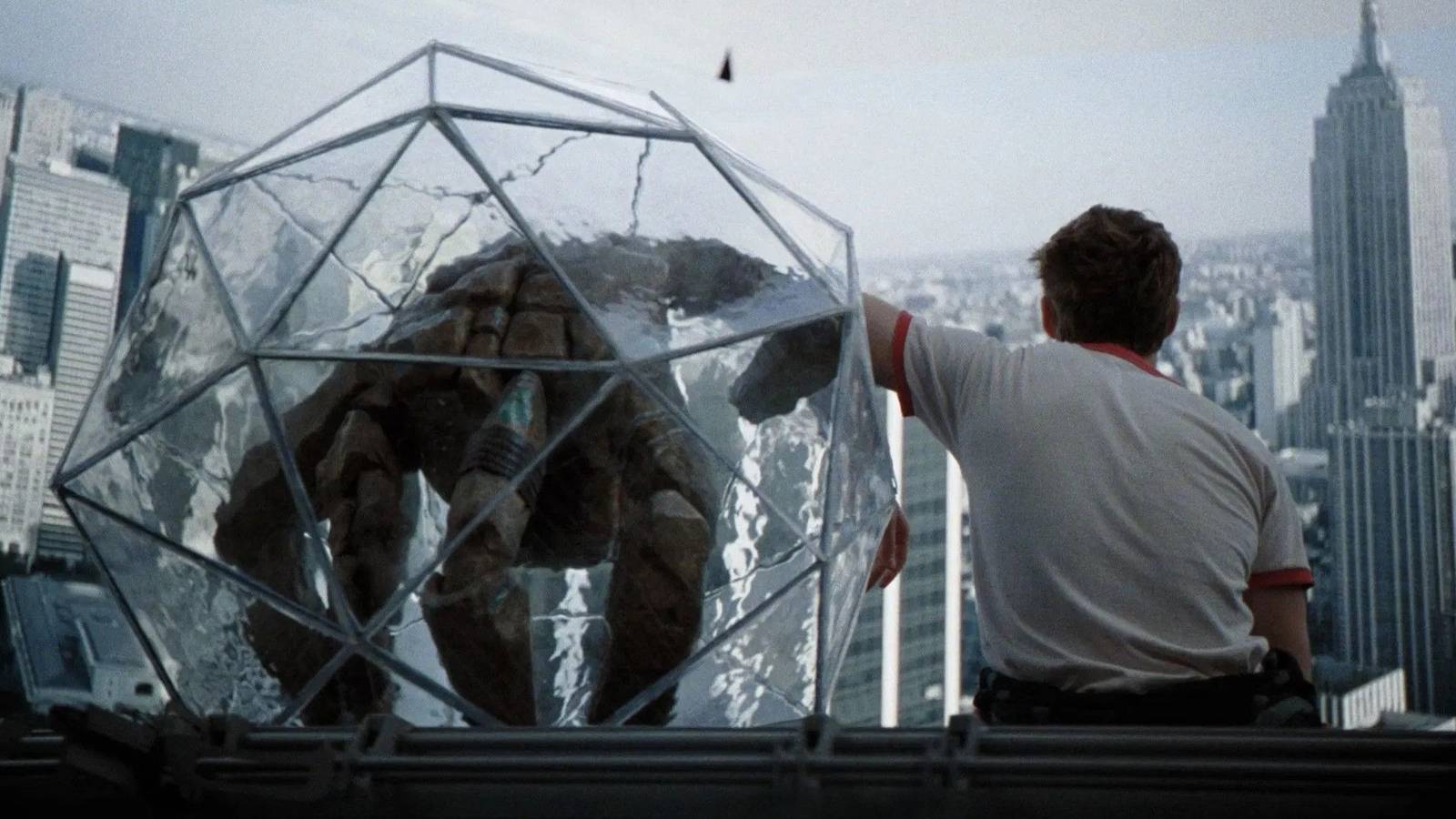
Equally important was the human element behind the campaign. Gosling’s involvement extended beyond standard press obligations. His surprise appearance at the premiere wasn’t just a publicity stunt—it was a moment of connection. Reflecting on the project’s six-year journey from manuscript to screen, he framed the film as a shared achievement, inviting audiences to feel part of something larger than a typical moviegoing experience.
That sense of authenticity proved invaluable. In an era where audiences are increasingly selective about theatrical outings, sincerity can be as powerful as spectacle. The film didn’t just promise entertainment—it delivered meaning, scale, and emotional payoff in equal measure.
For the studio behind the project, the film’s success validated a broader strategic shift. Rather than chasing familiar intellectual property, the focus was placed on bold, original storytelling executed at the highest level. It was a calculated risk in a market dominated by sequels and cinematic universes—but one that ultimately paid off.
More importantly, Project Hail Mary has reignited a critical conversation within the industry: have audiences truly abandoned theaters, or has Hollywood simply failed to give them compelling reasons to return?

The film’s performance suggests the latter. When presented with a story that feels fresh, immersive, and worth experiencing on the biggest screen possible, audiences will show up—and in large numbers. The formula, in retrospect, seems almost straightforward: invest in quality, embrace theatrical spectacle, trust the material, and let audiences do the rest.
But simplicity doesn’t make it easy. Each of those elements requires commitment, creativity, and confidence—qualities that are often overshadowed by the perceived safety of established franchises. Project Hail Mary demonstrates that originality, when executed with precision and passion, can still compete at the highest level.
As the industry searches for its next chapter, the film stands as both a success story and a blueprint. It proves that audiences haven’t lost their appetite for cinema—they’ve simply become more discerning about what earns their time and attention. And in doing so, Project Hail Mary doesn’t just deliver a box office triumph—it quietly exposes the long-missing formula Hollywood has been searching for all along.