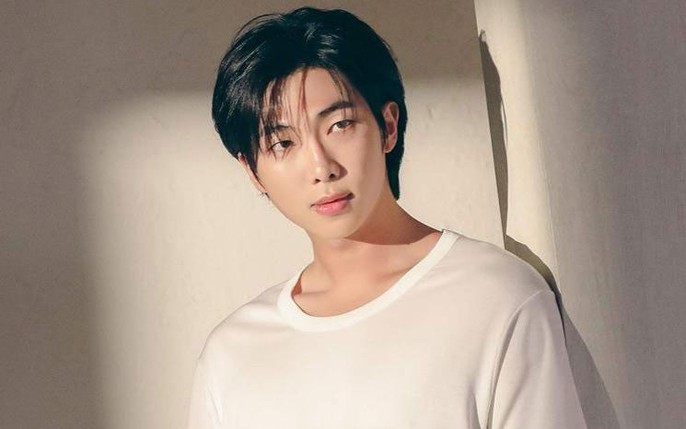
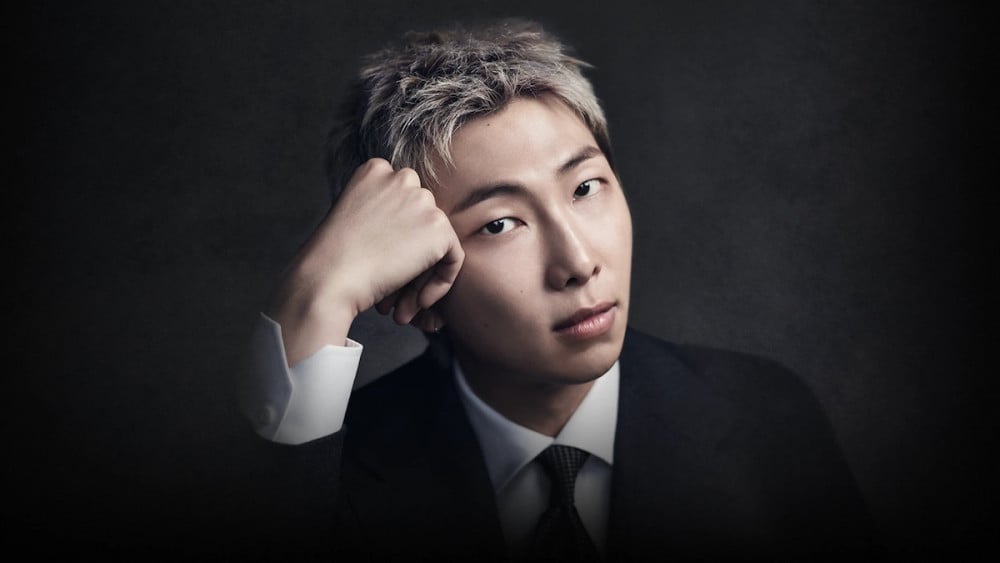
In the world of online beauty standards and niche internet subcultures, BTS leader RM has become the latest target of harsh criticism regarding his appearance. A viral post from the so-called “looksmaxxing” community has labeled the renowned artist as “ugly,” using selective comparisons and pseudoscientific claims to support their viewpoint. However, the backlash from netizens has been swift and overwhelming, with many condemning the group’s rhetoric as not only superficial but also rooted in problematic ideologies.
The “looksmaxxing” phenomenon refers to an online movement focused on enhancing one’s physical attractiveness through various methods, ranging from legitimate fitness and grooming practices to more extreme and dangerous trends. Among these is “bone smashing,” which involves deliberately injuring facial bones in hopes they will heal into a more “ideal” shape—an approach widely debunked by medical professionals as ineffective and highly risky. Another common belief in these circles centers on facial structure, particularly jawlines and chin prominence, often tied to theories about mouth breathing versus nasal breathing and their supposed long-term effects on appearance.
NOT THE LOOKSMAXXING COMMUNITY USING RM AS A EXAMPLE OF BEING CHOPPED OMG 😭😭😭😭 pic.twitter.com/yGwZvRwbKs
— madjen🫧 (@themadjen) April 29, 2026
Videos circulating on platforms like TikTok have used images of RM, highlighting what some perceive as a receding chin, to illustrate their points. These clips compare him unfavorably to others with more pronounced jawlines, assigning subjective “scores” based on pseudoscientific metrics popular within the community. One such video was reposted on X (formerly Twitter), accompanied by mocking commentary that quickly drew attention and criticism. The post read: “NOT THE LOOKSMAXXING COMMUNITY USING RM AS AN EXAMPLE OF BEING CHOPPED,” sparking widespread discussion.
Defenders of RM, including both dedicated ARMY fans and neutral observers, have pushed back strongly against the narrative. Many highlight how such judgments often reflect biased, Eurocentric beauty standards that dismiss natural ethnic features common among Asian individuals. What certain online groups label as “flaws” are frequently just variations in facial structure shaped by genetics and heritage. Critics argue that targeting a globally admired figure like RM—who is celebrated not only for his music but also for his thoughtful personality, leadership, and intellectual depth—reveals more about the insecurities and prejudices of the commenters than about the idol himself.
Furthermore, the looksmaxxing community frequently overlaps with incel (involuntary celibate) culture, which has been linked to misogynistic and sometimes extremist views. Some responses to the viral post drew connections to broader toxic online ecosystems, including rhetoric that echoes harmful ideologies. One user pointed out the disturbing nature of aligning with such groups simply to criticize a celebrity, while another expressed disbelief that people would set aside moral standards to join in on the hate, even if they were not particularly fond of BTS or their fandom.
This incident is not isolated. High-profile idols often face unrealistic expectations regarding their looks, exacerbated by social media filters, plastic surgery speculation, and edited images that dominate online spaces. RM, known professionally as the thoughtful rapper and composer behind many of BTS’s introspective tracks, has always emphasized inner growth, self-acceptance, and artistic expression over superficial validation. His journey—from a young trainee navigating the competitive K-pop industry to a respected global artist—serves as inspiration for millions, transcending narrow definitions of physical attractiveness.
The controversy also sheds light on the dangers of pseudoscience spreading unchecked on social media. Medical experts consistently warn against trends like bone smashing, stressing that genuine improvements in facial aesthetics, when desired, should involve qualified professionals rather than DIY methods promoted in echo chambers. By using celebrities as negative examples, these communities not only promote unrealistic ideals but also potentially encourage harmful behaviors among impressionable followers.
In response to the post, supporters have celebrated RM’s unique appeal, noting how his charisma, talent, and authenticity have captivated audiences worldwide. BTS as a group has long challenged conventional norms in the entertainment industry, proving that success stems from hard work, creativity, and genuine connection rather than conforming to any single beauty archetype. RM’s thoughtful approach to life, visible in his lyrics, interviews, and personal projects, continues to resonate deeply with fans who value substance alongside style.
:max_bytes(150000):strip_icc():focal(689x339:691x341)/rm-bts-bc0c0e9ccca04e799037fcb051d5d640.jpg)
This episode serves as a broader commentary on the state of online discourse. In an age where anyone can post opinions that reach millions, the line between harmless commentary and damaging attacks often blurs. Communities built around tearing others down under the guise of “self-improvement” risk fostering negativity that extends far beyond their original intent. For idols like RM, who maintain a relatively private personal life while engaging meaningfully with the world through art and philanthropy, such targeted criticism can feel particularly unwarranted.
As the conversation continues online, the overwhelming support for RM underscores a positive shift: many users are choosing to reject toxic beauty standards and instead champion respect, diversity, and recognition of talents that go beyond the surface. In defending the BTS leader, netizens are also defending the principle that human worth cannot be reduced to jawline measurements or viral trends. RM’s enduring influence demonstrates that true impact comes from character, creativity, and connection—qualities no online scoring system can quantify.
Ultimately, this viral moment, while disappointing, reinforces the strength of the global community that values artists for their complete selves rather than isolated physical traits. As BTS continues to evolve and RM pursues his artistic vision, the focus remains where it belongs: on the music, messages, and meaningful contributions that define their legacy.