BTS continues to dominate global headlines during the US leg of their highly anticipated ARIRANG World Tour. The group recently delivered an electrifying performance at Allegiant Stadium in Nevada, where innovative elements of their show sparked widespread conversation across social media. While the concert was largely celebrated for its energy and creativity, one spontaneous moment involving two members has led to humorous yet revealing discussions among fans.
The current tour format features a distinctive encore segment designed to keep both performers and audiences on their toes. In this part of the show, a DJ randomly selects BTS tracks for the members to perform without any prior rehearsal or preparation. This approach ensures each concert stop offers a unique experience, injecting an element of surprise and authenticity into the evening. At the Allegiant Stadium show, the DJ played “Permission to Dance,” one of the group’s most uplifting and globally recognized singles. The camera captured RM and Jungkook displaying noticeably scrunched facial expressions in response, which quickly became the focal point of online attention.

Fans were quick to interpret these reactions in a light-hearted manner. Clips of the moment spread rapidly, with many ARMY members joking that the two idols appeared reluctant or even disapproving of the song choice. Social media platforms filled with playful commentary suggesting that RM and Jungkook might secretly dislike “Permission to Dance,” leading to tongue-in-cheek calls for their “cancellation.” Comments ranged from exaggerated declarations of betrayal to humorous scenarios imagining the members being held accountable by devoted fans who hold the track in high regard.

This playful backlash reflects the passionate and protective nature of the BTS fandom. For many supporters, every song in the group’s extensive discography carries emotional significance, and any perceived slight can spark spirited discussions. Some fans posted memes and witty remarks, emphasizing their unwillingness to tolerate any criticism of beloved tracks. Others created fictional dialogues where the members would face consequences for their expressions, underscoring the deep investment ARMY has in BTS’s music catalog.
i’m in fucking tears THEY DID NOT WANT THIS SONGBWJDBBF pic.twitter.com/iynMkrGkBZ
— am⁷ (@vjungist) May 24, 2026
However, beneath the jokes lies a more thoughtful conversation about the dynamics between artists and their audience. Several fans speculated that the members’ reactions might stem not from personal dislike but from awareness of divided opinions within the fandom itself. “Permission to Dance,” released during the height of the pandemic, became an anthem of hope and resilience for many listeners. Yet, like any popular song, it has also attracted varied critiques over time. Some observers suggested that RM and Jungkook, known for their sensitivity to fan sentiments, might have been anticipating mixed reactions from the crowd, leading to their visible discomfort.
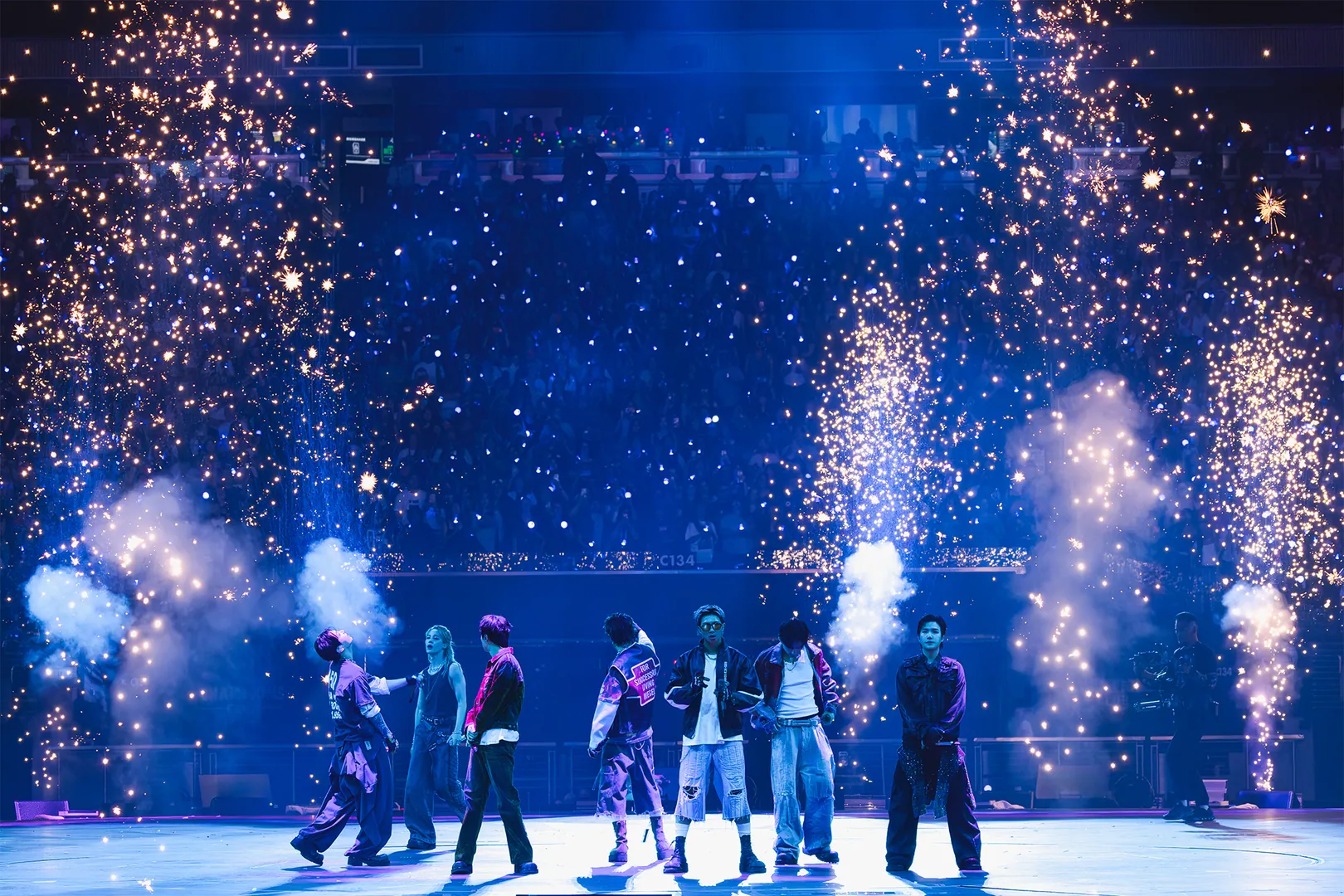
This interpretation highlights an important aspect of modern celebrity culture. Idols in groups like BTS often navigate the challenge of balancing personal artistic preferences with the expectations of a vast, diverse fanbase. Their long career has shown remarkable adaptability, but moments like this reveal the human side of performing under constant scrutiny. The ability to perform spontaneously adds excitement to live shows, yet it also exposes genuine, unfiltered responses that fans eagerly analyze and discuss.
The incident also demonstrates the evolution of fan-artist interactions in the digital age. Social media allows for immediate sharing of concert moments, transforming brief expressions into viral phenomena. What might have been a fleeting onstage reaction in the past now becomes subject to global interpretation, memes, and debates within hours. In this case, the humor prevailed, with most participants engaging in affectionate teasing rather than genuine criticism. It served as a reminder of the strong bond between BTS and ARMY, where even potential disagreements are often expressed through shared laughter and community interaction.
Beyond the specific song in question, the episode touches on broader themes within K-pop fandoms. Artists frequently face pressure to embody perfection, yet audiences increasingly appreciate authenticity and vulnerability. BTS has built much of their success on transparent communication and emotional honesty, qualities that allow fans to connect with them on a deeper level. Instances where members display unpolished reactions can actually strengthen these connections by humanizing the idols.
As the ARIRANG World Tour progresses, BTS continues to showcase their growth as performers and their commitment to delivering memorable experiences. The inclusion of random song selections in the encore reflects confidence in their abilities and a desire to keep concerts fresh and engaging. Such innovative approaches have helped maintain their reputation as one of the most dynamic live acts in the industry.
For fans, these moments contribute to the rich tapestry of shared memories that define the BTS experience. Whether celebrating chart-topping hits or playfully debating lighter moments, ARMY’s engagement demonstrates the vibrant community that has supported the group through various phases of their journey. The “cancellation” jokes ultimately serve as affectionate banter rather than serious discontent, illustrating the playful spirit that often characterizes fan discussions.
Looking ahead, the tour promises more unforgettable performances and interactions. BTS’s ability to evolve while staying true to their roots has earned them lasting admiration across generations. This recent concert episode, though minor in the grand scheme, offers insight into the complex relationship between global superstars and their dedicated supporters. It shows how even small facial expressions can spark meaningful conversations about music, expectations, and the joys of live entertainment.
In an industry where artists are often placed on pedestals, moments of relatability like this one remind everyone involved that BTS members are multifaceted individuals with their own tastes and reactions. Far from diminishing their appeal, such instances enhance it by fostering genuine connections. As the group continues their world tour, fans eagerly anticipate what other spontaneous moments might arise, knowing that each one adds another layer to the extraordinary narrative of BTS and ARMY.
The playful discourse surrounding this concert highlights the healthy, dynamic nature of their fandom. Rather than creating division, it has brought people together through humor and shared love for the group’s music. In the end, whether performing polished choreographed sets or impromptu encores, BTS consistently delivers experiences that resonate on both professional and personal levels.