The demonstration, which took place on Sunday, highlighted the deep emotional connection between the global K-pop phenomenon and its supporters, as well as the frustrations surrounding bureaucratic hurdles that can impact major cultural events. Wearing signature purple outfits and waving balloons and signs, the fans marched toward the presidential palace while singing BTS songs, creating a vibrant yet determined display of solidarity.
The controversy stems from the Chilean government’s refusal to approve the use of Estadio Nacional for the three scheduled October shows. Organizers had planned a massive 360-degree stage setup capable of accommodating over 48,000 fans per night, but officials cited technical concerns, including potential damage to the playing field from the heavy equipment. The National Sports Institute raised issues about the structural load and the impact on upcoming sporting events. Additionally, questions were raised about the concert organizer selling tickets before securing full approval, adding another layer of administrative conflict.
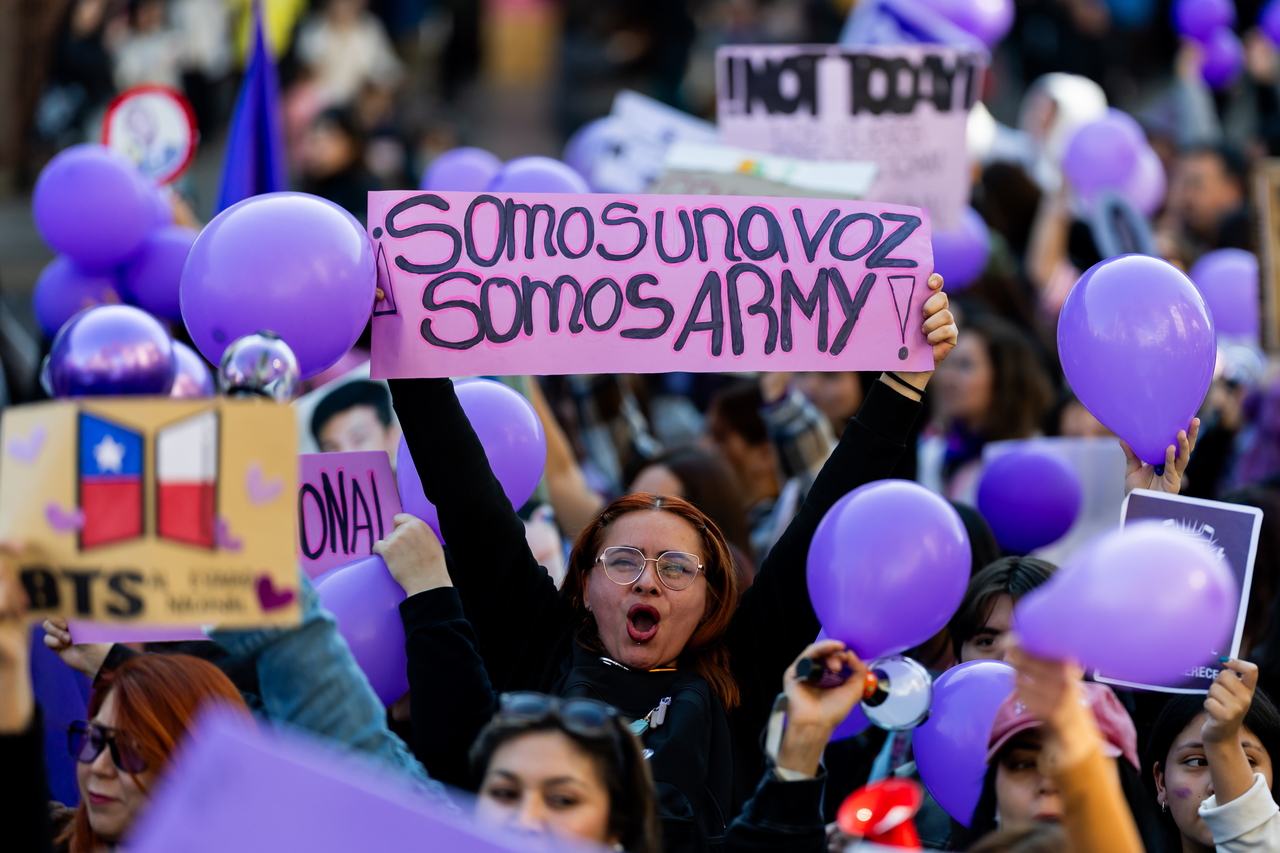
For ARMY, the cancellation feels like more than a logistical issue—it represents a missed opportunity for cultural exchange and a personal disappointment for fans who had planned trips, saved money, and anticipated the emotional high of experiencing BTS live. Many expressed frustration that a country with a vibrant music scene would turn away one of the world’s biggest acts. The protest’s peaceful yet powerful nature, with signs reading “We are one voice, we are ARMY” and “BTS to the National Stadium,” underscored the fandom’s global reach and organizational strength. Sports Minister Natalia Duco later clarified that the decision was not necessarily permanent, but the lack of suitable alternative venues in the region has left the situation uncertain.
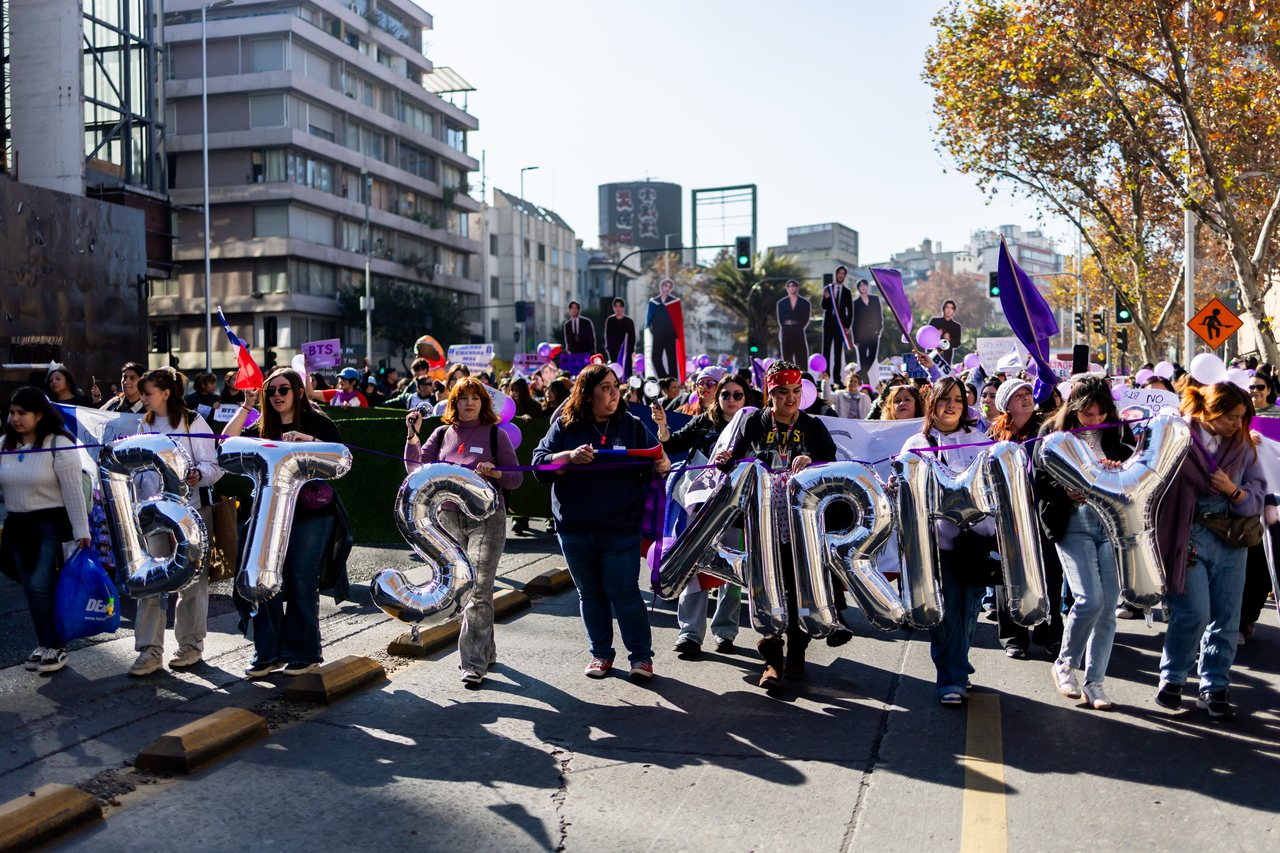
This incident reflects broader challenges in the international touring industry. Large-scale K-pop concerts require extensive coordination with local authorities, venues, and promoters. Technical specifications for modern productions—advanced staging, lighting, and sound systems—can clash with older infrastructure not designed for such demands. BTS’s “Arirang” tour, named after a traditional Korean folk song symbolizing resilience and unity, carries cultural significance that amplifies the disappointment when logistical barriers arise. The group’s ability to sell out massive venues quickly demonstrates their enduring popularity even during periods of group activities focused on solo projects and military service.

The protest also highlights the power of fandom in the digital age. ARMY has consistently shown its ability to mobilize quickly for causes related to BTS, whether supporting the group during controversies, engaging in philanthropic efforts, or advocating for better treatment of artists. In Chile, the demonstration not only drew local media attention but also sparked international conversations about how governments balance cultural events with infrastructure concerns. Some commentators have suggested that clearer communication and earlier collaboration between organizers and officials could have prevented the standoff.

For BTS and their agency HYBE, the situation presents both challenges and opportunities. While the canceled dates are disappointing, the strong fan response reinforces the group’s global influence and the loyalty of their supporters. It may also encourage future tours to include more robust contingency planning and direct engagement with local authorities. The “Arirang” tour itself represents an important milestone, showcasing BTS’s continued relevance and artistic evolution as they balance individual activities with group commitments.
On a wider scale, the event underscores K-pop’s role as a significant cultural export for South Korea. Successful international tours boost tourism, soft power, and economic ties. When obstacles arise, they can spark meaningful dialogues about infrastructure investment and cultural diplomacy. Chilean officials’ willingness to explore alternatives suggests the door may not be completely closed, leaving hope for resolution that satisfies both fans and practical concerns.
The passion displayed by ARMY in Santiago serves as a powerful reminder of music’s ability to unite people across borders. As BTS continues to navigate their career with grace and purpose, moments like this protest illustrate the depth of connection they have cultivated with millions worldwide. Whether the concerts ultimately proceed or not, the fans’ voices have been heard loud and clear, emphasizing the importance of accessibility and cultural exchange in our increasingly connected world. The coming weeks will likely bring further updates, but one thing remains certain: ARMY’s dedication continues to shine brightly on the global stage.