As the Artemis II crew prepared for a journey that could see humanity venture farther from Earth than ever before, Canadian astronaut Jeremy Hansen took a moment to reflect on an unlikely source of inspiration: Hollywood. Hansen, who will become the first non-US citizen to fly beyond the Moon, described the new space-themed movie Project Hail Mary, starring fellow Canadian Ryan Gosling, as “a real treat” for both him and his crewmates ahead of their historic mission.
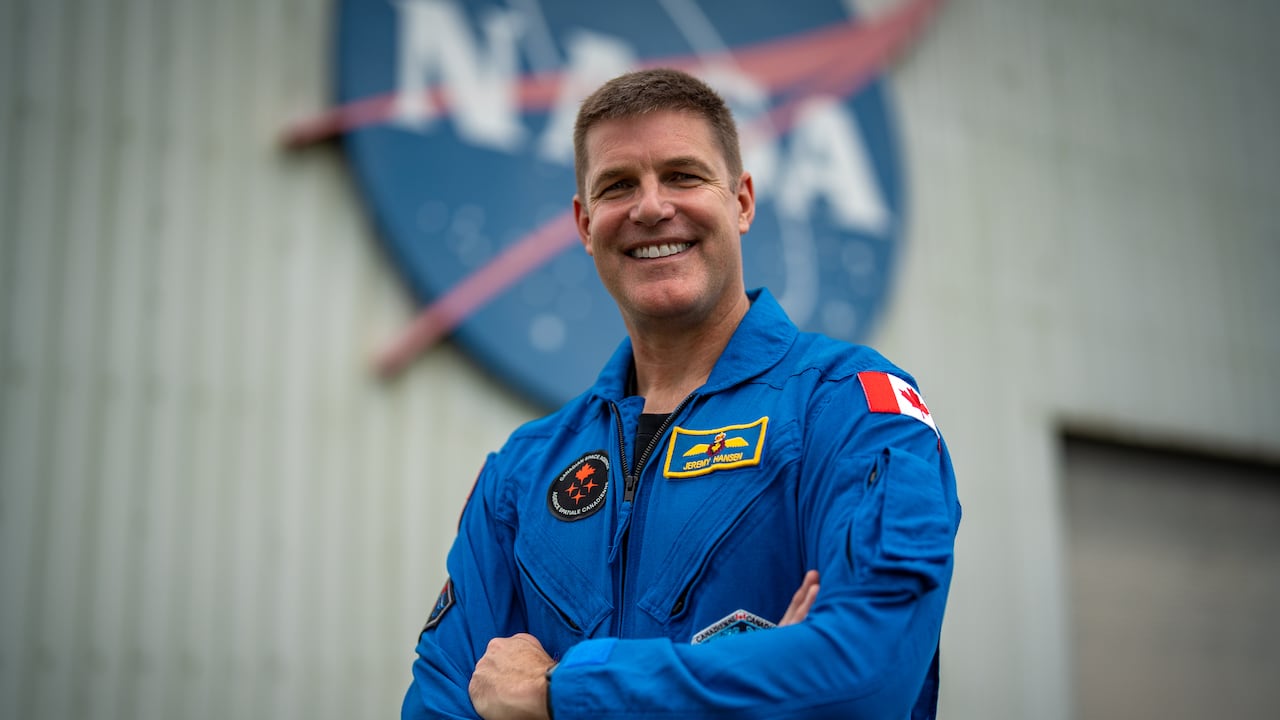
The astronauts watched the film with their families prior to liftoff, a ceremonial prelude to their upcoming lunar fly-around. Hansen praised the movie for its ability to bridge science and storytelling. “Art imitates science and vice versa,” he said during a live broadcast hosted by the Canadian Space Agency. “I thought it was just such an inspirational example – somebody who goes out there and just gets what was done to save humanity. It’s a pretty extraordinary example that we can all follow.”
Hansen’s remarks highlight the growing cultural interplay between real-life space exploration and its representation in cinema. Project Hail Mary, a high-stakes tale of interstellar problem-solving, resonated with Hansen for its depiction of courage, ingenuity, and perseverance—the very qualities that astronauts must embody in the uncharted expanse of space.

Artemis II represents a milestone in human spaceflight. If successful, Hansen and his fellow astronauts will travel more than 250,000 miles from Earth, surpassing the record set by the Apollo 13 crew in 1970. That mission, dramatized in the critically acclaimed 1995 film Apollo 13, has long symbolized the bravery and precision required for deep-space exploration. Hansen’s upcoming voyage promises to extend this legacy, combining cutting-edge technology with human resilience.
As part of the mission, the Artemis II crew will perform a lunar fly-around, observing the Moon up close while testing spacecraft systems essential for future missions. Hansen’s participation marks a historic first for Canada, placing the nation among the select group of countries that have contributed astronauts to lunar exploration. The journey underscores the increasing international collaboration in space endeavors and demonstrates the expanding reach of human ambition beyond low Earth orbit.
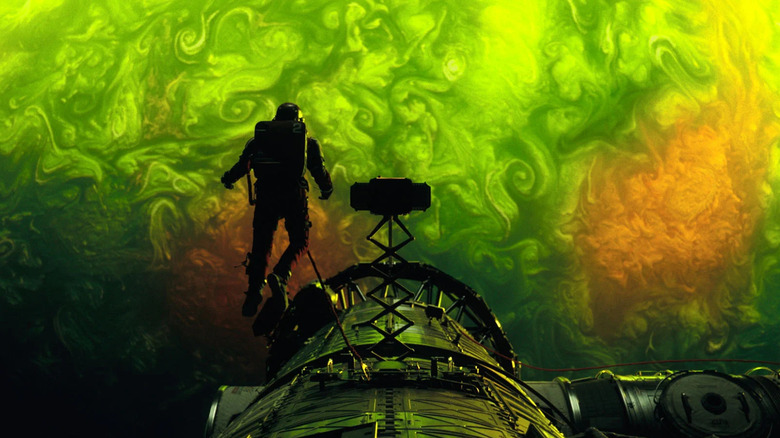
Hansen’s enthusiasm for Project Hail Mary underscores the reciprocal relationship between popular media and scientific achievement. Films like Gosling’s provide a narrative framework that can inspire the very astronauts who will carry humanity’s curiosity into the cosmos. By portraying the scientific and emotional stakes of interstellar missions, these stories cultivate public fascination while encouraging real-world innovation.
For Hansen, the movie offered more than entertainment; it served as a mental primer, a reminder of the stakes involved in space exploration. His praise for Gosling’s work highlights the unusual convergence of cinema and reality. Both the film and Hansen’s mission celebrate human ingenuity and the relentless pursuit of knowledge, though in dramatically different arenas.
Adding a personal dimension, both Hansen and Gosling hail from London, Ontario, a connection that lent additional resonance to Hansen’s comments. As he and his crewmates prepared to embark on a voyage that could redefine human limits, the astronaut’s admiration for a hometown peer’s portrayal of space heroics underscored the motivational power of shared origins and cultural pride.

The viewing of Project Hail Mary was more than a casual diversion. For Hansen, it reinforced the mindset required for spaceflight: focus, creativity, and resilience. Watching a narrative about overcoming cosmic-scale challenges offered a reflective parallel to his own impending mission. It also highlighted the ability of art to illuminate human potential and the extraordinary risks astronauts embrace in the name of exploration.
As Artemis II approaches its launch window, Hansen’s endorsement of Project Hail Mary provides an intriguing glimpse into the mental preparations of astronauts. Beyond technical training, psychological readiness is crucial for long-duration missions, and inspiration can come from unexpected sources. By acknowledging the film’s impact, Hansen demonstrates that storytelling—whether on screen or through lived experience—remains a powerful tool in motivating those who dare to venture where few have gone before.
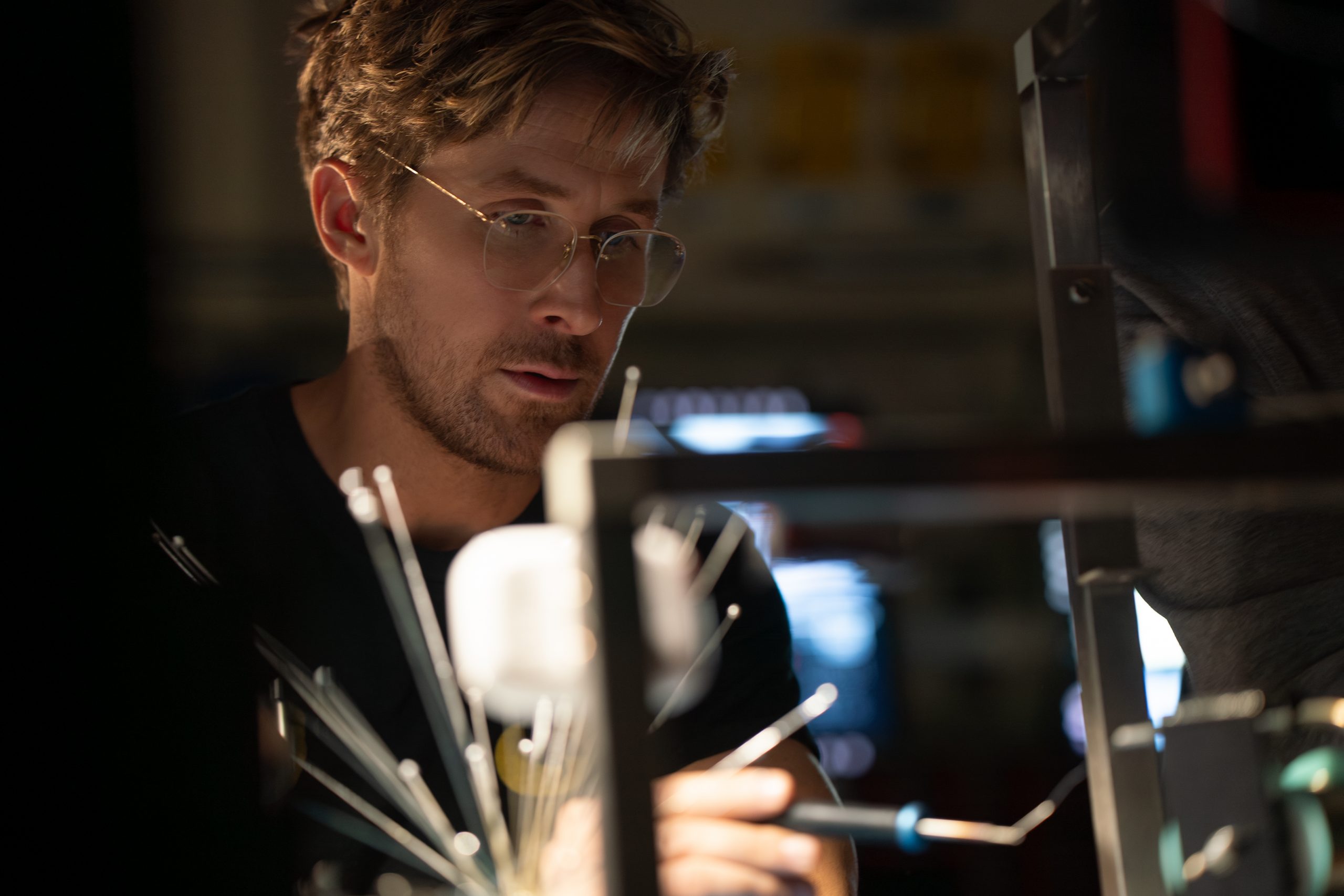
Ultimately, Hansen’s remarks bridge the gap between imagination and achievement. His praise for Gosling’s film underscores how narratives of courage, problem-solving, and sacrifice resonate deeply with those living them firsthand. As the Artemis II crew readies to embark on a record-breaking journey, Hansen’s reflections reveal the subtle ways in which art can prepare humanity for its boldest endeavors.
In a universe where distance, danger, and discovery intertwine, Hansen’s experience demonstrates that inspiration knows no bounds, and that sometimes, the stories we tell can be as vital as the journeys we undertake. Project Hail Mary may be fiction, but for Hansen and his crewmates, it has become a compass for confronting the vast unknown—a cinematic echo of humanity’s drive to explore and endure, ready to unveil the limits of what is possible.