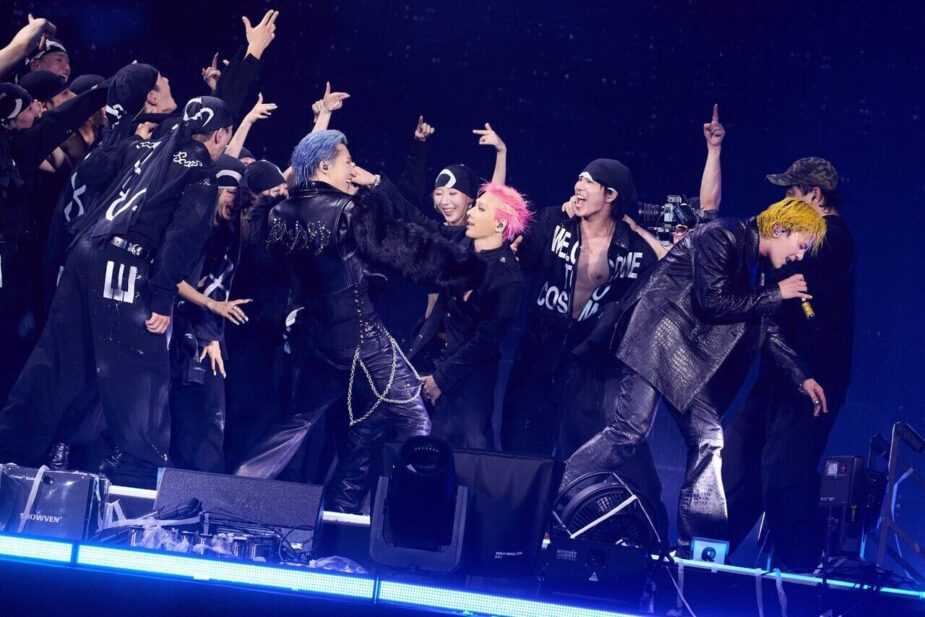
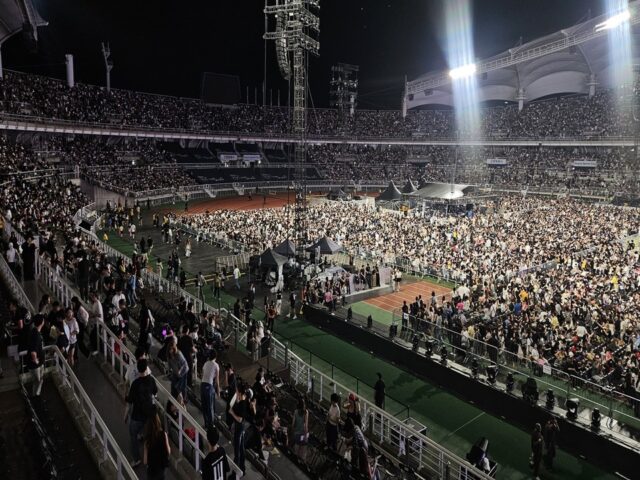
BIGBANG’s long-awaited return to the stage was supposed to be a celebration of the group’s legacy, but a seating controversy has quickly shifted attention toward YG Entertainment’s concert management. The group launched its XX : COSMOS world tour at Goyang Stadium from August 21 to 23, drawing fans eager to see the legendary K-pop act perform live again. However, some fans who paid premium prices for floor seats discovered that their supposedly desirable positions offered severely obstructed views of the stage. The controversy has now escalated beyond angry online posts, with a formal complaint reportedly filed with South Korea’s Fair Trade Commission over the way those seats were sold and represented. Authorities are expected to examine whether the ticket information complied with relevant e-commerce regulations and whether customers were properly warned about potential sightline problems. What began as a disappointing concert experience has therefore become a much larger dispute over consumer rights, transparency, and the responsibilities of major entertainment companies.
The central issue concerns the F1 and F2 floor sections, which were among the most expensive standard seating options available for the concert. Fans reportedly paid ₩253,000, or roughly $183, for these seats, placing them just below the ₩275,000 VIP standing tickets. Based on the seating map released by YG Entertainment, F1 and F2 appeared to be positioned directly in front of the main stage, which would naturally lead buyers to expect an excellent view of BIGBANG. Instead, concertgoers discovered that a tall stage extension crossed directly through their sightline, leaving some people claiming that they could barely see the members themselves. The frustration is understandable because the issue was not simply that the seats were slightly farther away than expected. Customers had specifically paid a premium for positions that appeared to promise an unobstructed experience, making the difference between the advertised layout and the actual view particularly damaging to their trust.

The Fair Trade Commission complaint adds an important legal dimension because the dispute is no longer limited to whether fans personally felt disappointed. According to the report, the complaint asks authorities to investigate whether the seats were appropriately sold, disclosed, and inspected under South Korea’s E-Commerce Act. The key question is whether customers should have been explicitly informed that their view could be blocked before they purchased the tickets. If the obstruction was reasonably foreseeable from the stage design, then fans may argue that the absence of a warning deprived them of important information needed to make an informed purchasing decision. This distinction could determine whether the situation is treated as an unfortunate production problem or as a potentially improper commercial practice. The authorities will ultimately have to establish the facts, but the existence of a formal complaint shows that the controversy has already moved beyond ordinary concert complaints.
The pricing makes the backlash even more intense because these were not bargain seats that customers could reasonably expect to compromise on. At ₩253,000, the F1 and F2 tickets represented a substantial financial commitment, particularly for fans who may have traveled to Goyang Stadium specifically for the event. Premium ticket buyers generally accept that they are paying more for proximity, convenience, and a superior overall experience. When a structural feature of the stage prevents them from seeing the performers properly, the value proposition changes dramatically. Fans are therefore not simply complaining that their view was imperfect; they are questioning whether they received what they believed they had purchased. That is why demands for refunds have become central to the controversy rather than being treated as an optional gesture of goodwill.
Korean online reactions have also been unusually harsh, with some commenters demanding what they describe as severe punishment rather than refunds alone. Several reactions accuse YG Entertainment of failing to learn from previous concert-management controversies and argue that the company should be held legally responsible. Others have criticized what they see as excessive ticket prices combined with inadequate operational planning. The language used by some netizens reflects a broader frustration with the relationship between entertainment companies and increasingly sophisticated consumers. Fans today are not simply passive audiences who accept whatever conditions promoters provide; they are paying customers who expect detailed information, professional organization, and accountability. When those expectations are not met, social media can rapidly transform an individual complaint into a public reputation crisis.
The situation is particularly damaging because YG Entertainment has already faced a remarkably similar controversy involving BLACKPINK. Last year, fans who purchased tickets for BLACKPINK’s DEADLINE performance at Goyang Stadium reportedly encountered unexpectedly obstructed views, prompting the agency to provide full refunds. That previous incident means the BIGBANG controversy cannot easily be dismissed as an isolated mistake that nobody could have anticipated. From a public-relations perspective, repeated problems involving the same stadium and similar sightline issues make the company appear to have failed to implement lessons from its earlier experience. Even if the circumstances surrounding the two concerts are technically different, fans are likely to interpret the repetition as evidence of inadequate preparation. The comparison therefore gives the current complaint much more weight in the public conversation than it would have had if no previous example existed.
There is also an important distinction between responsibility for the concert problem and responsibility for BIGBANG’s performance itself. Nothing in the reported complaint suggests that BIGBANG members were personally responsible for the seating configuration or ticket disclosures. The controversy is primarily directed toward the organization and commercial operation of the event, particularly the decisions surrounding the stage layout and ticket sales. That distinction matters because fans can remain enthusiastic about BIGBANG while simultaneously criticizing the company responsible for producing the concert. In fact, separating the artists from the promoter may become increasingly important as the dispute develops. BIGBANG’s reputation is built around its music and performances, whereas the current backlash concerns whether fans were treated fairly as consumers.
For YG Entertainment, the biggest challenge may not ultimately be the cost of refunds but the question of credibility. If authorities determine that the problematic seats should have been clearly marked as having restricted views, the company could face criticism for failing to provide adequate information before the sale. Even if no legal violation is ultimately established, the controversy could still damage fan confidence if consumers believe the seating map created unrealistic expectations. Concert ticketing has become increasingly expensive and competitive, meaning fans now pay close attention to every detail before making a purchase. A company that repeatedly creates uncertainty around seating can therefore lose goodwill even when the underlying problem does not result in formal penalties. In that sense, transparency may become just as important as the final legal outcome.
The possibility of refunds is also significant because it could influence how future K-pop concerts handle obstructed-view seating. If the Fair Trade Commission determines that customers deserve compensation, promoters may become more cautious about selling premium seats near large stage extensions or other structures that could interfere with visibility. They may also feel greater pressure to publish more detailed seating maps, warning labels, photographs, or other information before tickets go on sale. Such changes would benefit fans because they would make it easier to understand what they are actually purchasing. At the same time, more transparent ticketing could force entertainment companies to rethink how they price seats that appear premium but may have significant limitations. The BIGBANG controversy could therefore become a useful precedent for improving concert-ticketing practices across the wider K-pop industry.
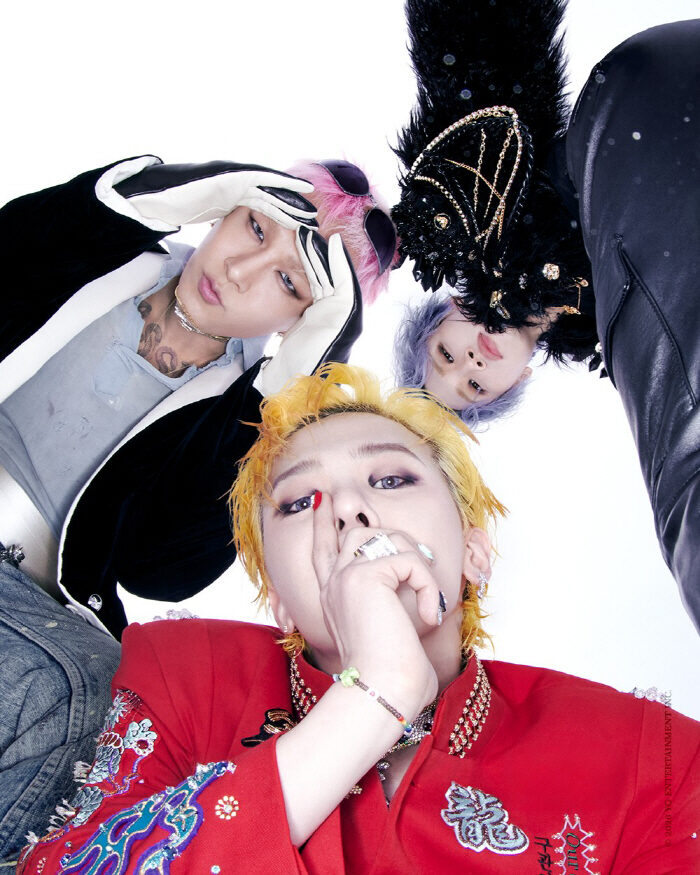
The timing makes the controversy especially unfortunate for BIGBANG because the XX : COSMOS tour represents a major moment for a group with enormous historical significance in K-pop. After years of changes and individual activities, a BIGBANG world tour naturally carries emotional weight for longtime fans who may have waited years for another opportunity to see the members together. That makes the expectation surrounding a live show much higher than it would be for an ordinary concert. Fans who spend hundreds of thousands of won are not merely buying a two-hour entertainment product; they are purchasing the chance to experience a potentially once-in-a-lifetime reunion. When technical or organizational problems interfere with that experience, the emotional disappointment can become much stronger than the monetary loss alone would suggest. The controversy therefore risks overshadowing a celebration that was supposed to highlight BIGBANG’s enduring influence.
Ultimately, the BIGBANG seating controversy is bigger than one blocked view at one concert. It raises questions about how accurately entertainment companies communicate ticket conditions, how premium seats are priced, and what protections consumers should have when the real concert experience differs substantially from what was advertised. The Fair Trade Commission complaint means those questions will now receive official scrutiny, while fans continue demanding refunds and stronger accountability from YG Entertainment. The company’s previous refund decision involving BLACKPINK’s DEADLINE concert makes the current situation even more difficult to explain away as an unprecedented accident. For BIGBANG, the hope is that the controversy remains focused on event management rather than damaging the legacy of the artists themselves. The ultimate plot twist could come if the investigation establishes that the seating information was insufficient, potentially forcing YG Entertainment to compensate affected fans and rethink how it handles obstructed-view tickets in future concerts.