BTS have not even begun their Tampa run yet, but the city is already moving like the concerts are a major event on the scale of a civic takeover. Around 180,000 people are expected to see the group across three sold-out shows at Raymond James Stadium, and the impact is already spilling far beyond the venue itself. What should have been just a concert weekend has turned into something much larger, with Tampa businesses, city officials, the airport, and local fan communities all being pulled into the frenzy before the first song even starts.

The scale alone explains why the mood feels so different. BTS are scheduled to perform in Tampa on April 25, April 26, and April 28, with roughly 60,000 fans expected each night. That means the city is not preparing for one huge concert, but for a three-night surge of stadium-level tourism, traffic, merch demand, and fan activity packed into just a few days. For Tampa, this is not a routine stop on a tour. It is the kind of concentrated pop-culture invasion that forces the whole city to adjust around it.
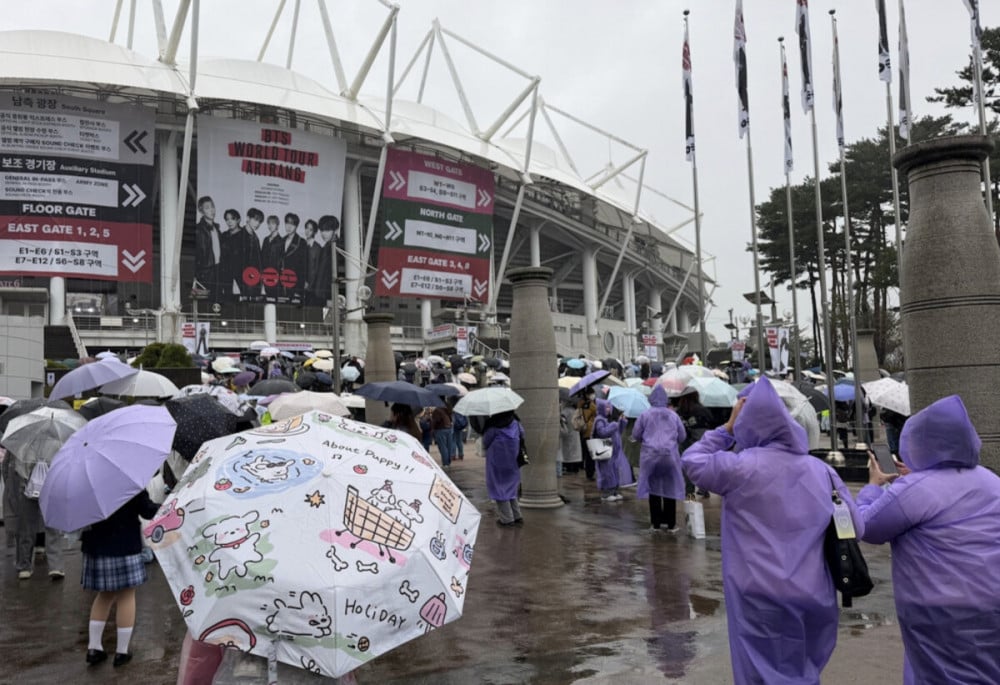
And fans are not just showing up for the concerts themselves. Reports indicate they have already sold out themed events around town, turning the BTS stop into a citywide experience rather than a simple in-and-out stadium weekend. The atmosphere now looks closer to a temporary festival built around one group, with local businesses and fan organizers rushing to meet the wave of demand. That wider sellout effect is a huge part of why this visit is being treated as such a big deal for Tampa Bay.

The merch situation alone says everything about how intense the demand has become. Tampa Bay Boulevard in front of Raymond James Stadium has been shut down for days so crews can set up a massive BTS merchandise tent, with the road closure running from April 22 until April 29 and even extending through an extra merch-sales day on April 27. City officials openly warned drivers to expect delays, and the reason was simple: thousands of fans were expected to show up just to shop before the concerts even began. That kind of disruption is not caused by ordinary demand. It is what happens when a global fandom arrives all at once.
The city has not tried to resist the wave. It has leaned into it.

At Tampa International Airport, there are welcome tables for fans, a photo backdrop, and even pop-up dance performances, all designed to greet the incoming BTS crowd the moment they land. The airport has also gone visibly purple to mark the group’s arrival, turning what would normally be a transit point into part of the celebration itself. That detail matters because it shows how far the event has already spread: BTS are not just performing in Tampa, they are being woven into the city’s public-facing image for the week.
That public embrace is also being driven by the tourism side of the city. Santiago Corrada, president and CEO of Visit Tampa Bay, said people are coming in “from all over the place,” a line that captures the scale of what Tampa is dealing with. This is not only about local fans filling a stadium. It is about an international and national influx of visitors arriving for a three-show run and spending money across hotels, transit, shops, restaurants, and fan events. Before the first concert has even started, the city is already acting like it knows this is a serious economic and cultural moment.
What makes the whole thing even more striking is how visibly fan culture is shaping the environment. Airport welcome stations are being hosted with the help of local BTS fan communities. Businesses are stocking BTS-related products. Pop-up events and markets are drawing fans who may not even have tickets but still want to be part of the atmosphere. In other words, the concerts have already created their own temporary ecosystem. Tampa is not just hosting BTS. It is being reoriented around ARMY for the week.
That is why this stop feels bigger than a normal tour date. BTS have always generated massive crowds, but in Tampa, the effects are already visible in road closures, airport activations, sold-out side events, merch lines, and a citywide sense that something unusually large is happening. The concerts themselves will last only a few nights. The disruption, excitement, and economic ripple are already here.
So by the time BTS finally step onto the stage at Raymond James Stadium, the real story may already be clear. Tampa has not simply booked three concerts. It has become the site of a full-scale BTS moment, one big enough to clog roads, transform the airport, sell out the surrounding fan culture, and remind everyone just how overwhelming this group’s reach still is when 180,000 people decide to descend on one city at once.