BTS has returned with their highly anticipated album Arirang, marking a significant milestone after years of military service and solo projects. Named after Korea’s iconic folk song, the release was intended to celebrate the group’s Korean roots while showcasing their evolution. However, it has ignited intense discussions among fans, particularly in South Korea and on international platforms like Reddit, about whether BTS is drifting away from the core elements that defined K-pop and transforming into a more Western-oriented global pop act. The BBC has explored this tension, highlighting the complex balance the septet must strike between artistic authenticity, commercial ambitions, and cultural representation.

The album features a heavy emphasis on rap, experimental production, and collaborations with international talents including American producers like Diplo and Mike WiLL Made-It, Australian artist Kevin Parker of Tame Impala, and Spanish musician El Guincho. Critics and some Korean fans have pointed out the prominent use of English lyrics, the reduced focus on tightly synchronized group choreography, and a sound that leans more toward hip-hop and alternative influences than traditional K-pop formulas. While the title track samples Arirang and nods to Korean heritage, many listeners feel these elements are overshadowed by polished Western production values. This has led to accusations that the group is prioritizing global market appeal over the raw, culturally grounded style of their earlier work, such as the 2014 album Dark & Wild.

In South Korea, reactions have been particularly divided. Some fans appreciate the return to hip-hop roots and the mature themes reflecting the members’ experiences in their thirties, including the pressures of fame. Others, however, express disappointment that the album lacks the heartfelt Korean lyrics and energetic performances that once resonated deeply with domestic audiences. A common sentiment on Korean online communities is that BTS, once champions of authentic storytelling and social commentary, now feels more like a high-end global brand. The involvement of foreign producers has fueled debates about whether this direction dilutes their identity or represents natural growth after over a decade in the industry.
![Herald Review] BTS' 'Arirang' leans into US pop while expanding artistry - The Korea Herald](https://wimg.heraldcorp.com/news/cms/2026/03/21/news-p.v1.20260320.71a6e68e56334bf0a37407cc2bcabf3f_P1.jpg)
International fans and critics have offered more positive assessments. Many praise the album’s experimental edge, with tracks blending Jersey club rhythms, glitchy electronics, and introspective rap. The BBC noted the audacious nature of songs like Hooligan and the darkly compelling FYA, viewing the project as a genuine return to form that pushes boundaries. Global ARMY members often celebrate BTS’s evolution, arguing that their ability to collaborate across cultures and languages demonstrates the very innovation that made them pioneers. For many, the shift represents progress rather than loss, especially as the group embarks on an ambitious world tour spanning 85 dates across five continents.
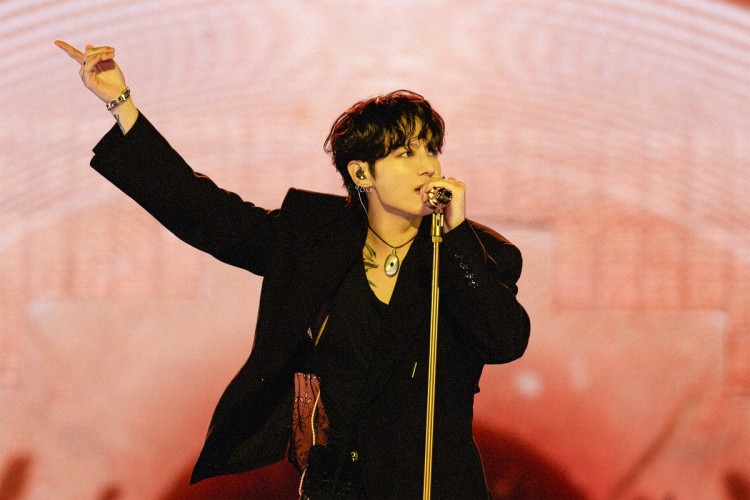
A candid documentary chronicling the album’s creation has added depth to the conversation. It reveals internal tensions, with members like Jimin and RM expressing doubts about certain creative choices, while agency executives push for a broader, more international appeal. Hybe chairman Bang Si-hyuk emphasized the group’s status as global icons whose audience now extends far beyond Korea. This behind-the-scenes glimpse underscores the challenges BTS faces: staying true to their origins while meeting commercial expectations and the demands of a massive, diverse fandom.
The debate reflects broader questions about the future of K-pop. As the genre has achieved worldwide success, many acts have incorporated Western elements to expand their reach. BTS, however, occupies a unique position as both a product of the K-pop system and a force that has redefined it. Their early music spoke powerfully to Korean youth through socially conscious lyrics and high-energy performances. Today, as they address universal themes of fame, identity, and resilience, some long-time supporters worry that the distinctive Korean flavor is fading. Others see this as an inevitable and welcome maturation.
Ultimately, Arirang embodies the ongoing negotiation between local roots and global ambition. BTS has consistently demonstrated resilience and adaptability, from their humble beginnings to becoming cultural ambassadors for South Korea. Their massive commercial success and dedicated fanbase suggest that questions of identity may not hinder their trajectory. Yet the passionate discussions among Korean and international fans highlight the emotional investment in the group’s journey. As BTS continues their world tour and explores new creative territories, the conversation about what it means to be K-pop in a borderless music landscape will likely persist. For many, the answer lies not in rigid definitions but in the group’s enduring ability to connect with audiences through honest expression and shared humanity.