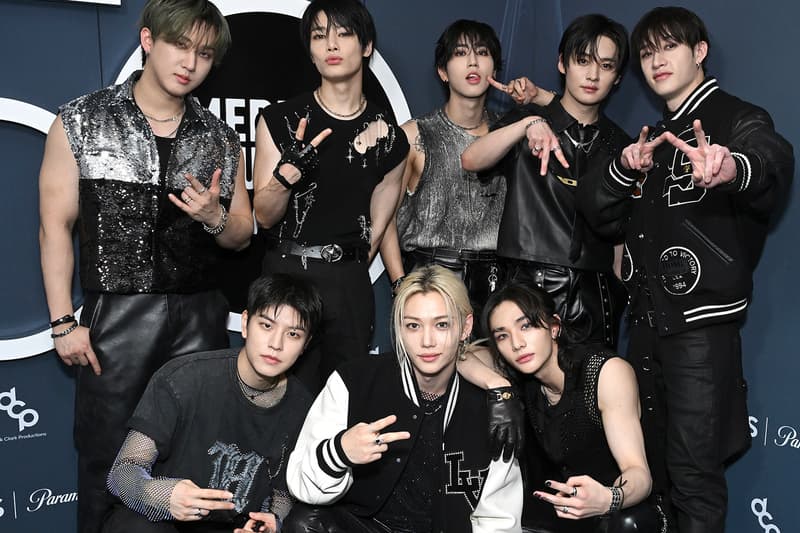
A group of nearly 30 fans who attended a Stray Kids concert in Washington, D.C., last summer has filed a lawsuit accusing concert organizers of negligence during a severe heat wave. The suit, lodged in D.C. Superior Court, claims that event planners and venue authorities failed to provide adequate protection and resources for attendees amid dangerously high temperatures.
The incident occurred on June 23, 2025, at Nationals Park, where temperatures soared close to 100 degrees Fahrenheit, with a heat index climbing to 110. Plaintiffs allege that the event lacked sufficient water and cooling measures, creating hazardous conditions for the audience. While park officials had initially stated that water bottles would be allowed, attendees reported being forced to discard their own bottles at entry.

According to the complaint, 28 concertgoers from multiple states, including Arizona, Minnesota, and D.C., were subjected to unsafe conditions. Beyond the ban on personal water bottles, plaintiffs claimed that overpriced water sold inside the venue and long security lines limited their access to shade and relief from the sweltering heat. The lawsuit describes numerous fans fainting, vomiting, and suffering heat-related illness, with six individuals requiring hospitalization. In response to the extreme conditions, Stray Kids reportedly cut their performance short to protect both themselves and the audience.
Victoria Wisor, one of the affected fans, spoke to ABC 7 News after the event, describing the experience as harrowing. “I don’t know how any of us are still alive, to be honest, cause it was so hot,” she said. Her statement highlights the intensity of the environment and the severity of the organizers’ alleged oversight.

Representing the plaintiffs, attorney Samantha Dos Santos of Plaxen Adler Muncy emphasized the preventable nature of the harm. “Our clients came to Nationals Park to enjoy a concert, not to fight for their safety,” Dos Santos told ABC 7 News. She criticized the event’s response, noting that medical emergencies went largely unaddressed while water was sold at inflated prices. “These are not the actions of organizations that take their duty of care seriously, and our clients, nearly 30 individuals from across the country, suffered real, preventable harm as a result. We intend to hold every responsible party accountable,” she added.
The lawsuit names multiple defendants, including Live Nation Entertainment, Events D.C., Levy GP Corporation, and the District of Columbia government. The plaintiffs argue that these parties collectively failed in their responsibility to ensure the safety and well-being of concertgoers during extreme weather conditions, creating a foreseeable risk that directly led to injuries.
This legal action brings renewed attention to the broader responsibilities of large-scale event organizers, especially in an era of increasing heat waves and unpredictable weather patterns. Critics argue that proper planning should include ample hydration options, shade access, and rapid medical response teams. In this instance, the lawsuit alleges that such precautions were either inadequate or entirely absent, leaving attendees vulnerable.

The incident also underscores the growing tension between concert experience and attendee safety. Fans, drawn by the promise of live music and the excitement of seeing their favorite performers, often rely on organizers to manage environmental hazards. According to the plaintiffs, Nationals Park and its associated promoters failed to meet this basic expectation.
While concerts are generally considered entertainment events, lawsuits like this highlight the legal implications when organizers allegedly neglect safety protocols. The Stray Kids concert serves as a cautionary tale, illustrating the potential consequences when extreme weather meets insufficient planning. With temperatures reaching dangerous levels, fans had little recourse but to endure the conditions until help arrived—sometimes too late.
Legal experts suggest that the plaintiffs’ case could set an important precedent for how live entertainment venues approach environmental hazards in the future. By holding multiple parties accountable, the lawsuit may encourage more rigorous safety standards and proactive measures to protect concertgoers.
For the 28 individuals involved, the event was not just uncomfortable—it was physically dangerous. From fainting and vomiting to hospitalization, the consequences of the heat exposure were significant. As they seek compensation through the courts, their testimony paints a vivid picture of chaos and neglect that starkly contrasts with the fun and celebration typically associated with live music events.
Ultimately, the lawsuit brings into sharp focus the critical responsibility that promoters and venues have to their audiences. While fans expect thrilling performances and seamless entertainment, they also have a right to safety and protection from foreseeable hazards. The Stray Kids concert controversy exposes what can go wrong when those duties are allegedly ignored.
As this case progresses, it promises to ignite discussion about accountability in live entertainment. For those who attended the Nationals Park concert, the experience was both exhilarating and perilous, and the legal action now underway seeks to ensure that negligence of this kind does not go unchecked. In doing so, it not only addresses past harms but also potentially reshapes the expectations for future events, revealing the high stakes behind the glitz and glamour of live performances.