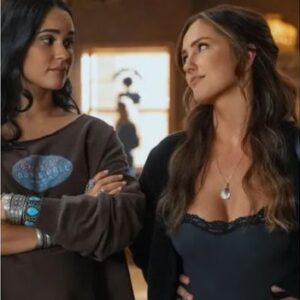
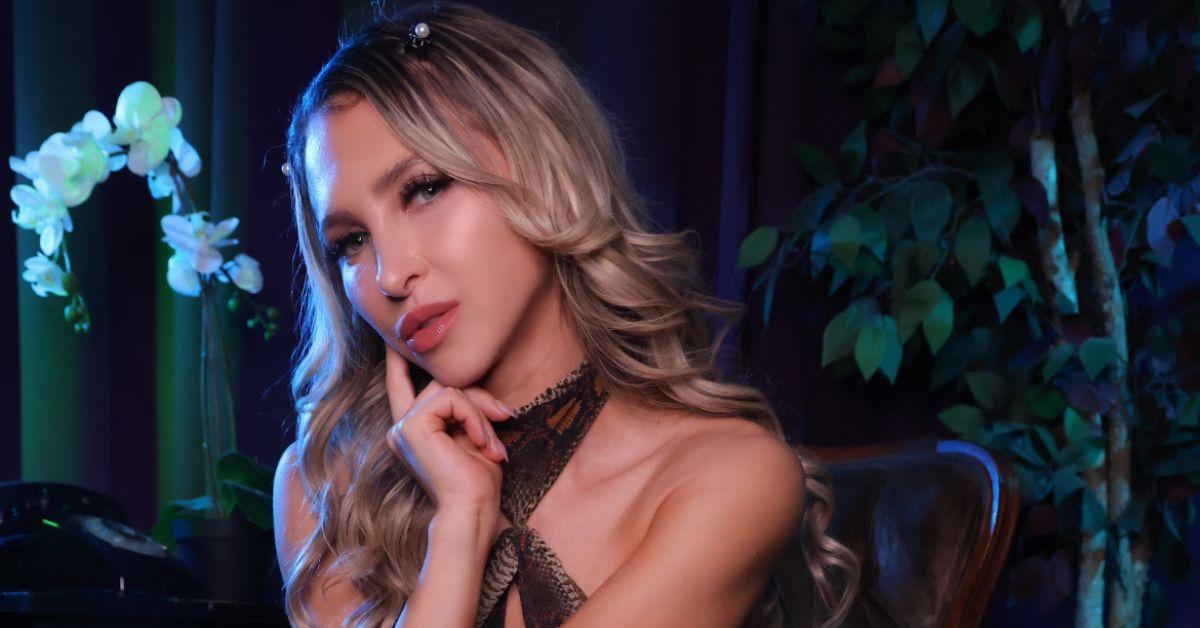
Adult film star and OnlyFans creator Alix Lynx has issued a strong, personal response to comments made by Euphoria actress Chloe Cherry, who recently suggested that the rise of OnlyFans has little to do with empowerment and is instead driven by economic hardship under capitalism. Lynx, who has built a successful career in the adult industry over more than a decade, described her work as deeply creative and liberating, directly challenging Cherry’s perspective in an exclusive statement.

In her statement to Us Weekly, Lynx emphasised the artistic freedom she experiences through content creation. “With the content I create, I get to be an artist. I have a vision, I bring it to life, and people are willing to pay me for it,” she explained. “I am getting paid to be myself and be creative, and I don’t think anything could be more empowering than that.” Her remarks come as a direct rebuttal to Cherry’s interview with Refinery29, where the actress, who plays Faye on the HBO series, argued that the normalisation of OnlyFans and sex work stems purely from financial necessity rather than any sense of personal power or choice.

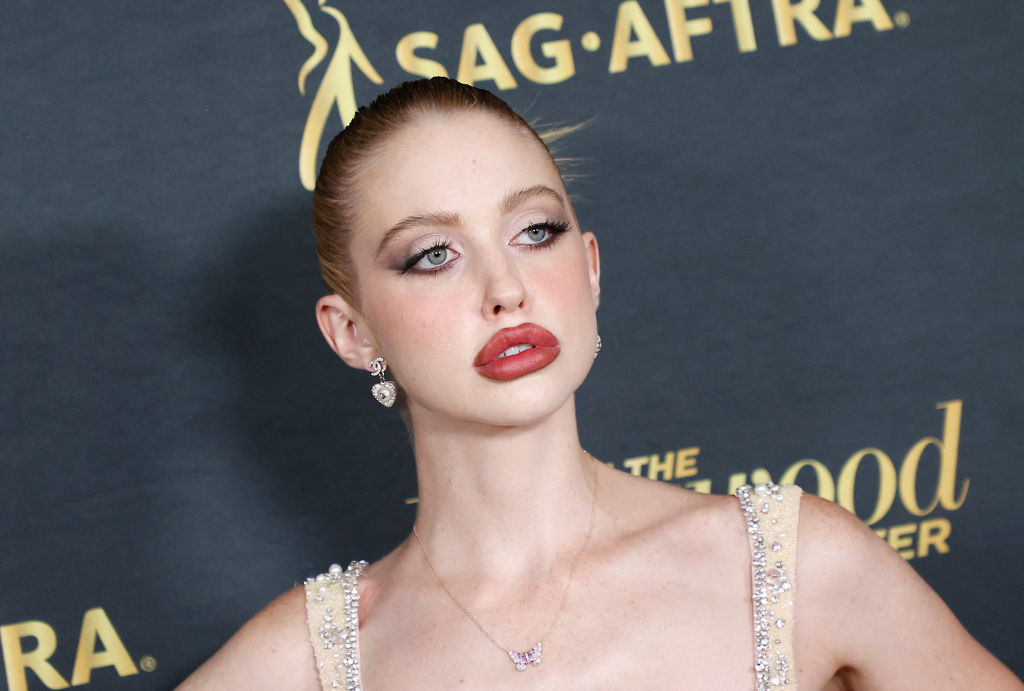
Cherry’s comments were made in the context of Euphoria Season 3, which features prominent storylines involving OnlyFans and adult content. Her character’s observations reflect a broader critique of how economic pressures push people toward platforms like OnlyFans. “OnlyFans and sex work have become more normalised, but it’s literally only because of capitalism and the economy getting worse,” Cherry stated. “It has nothing to do with empowerment or power or anything.” She further described the phenomenon as “a crazy, weird” development she expects future generations to look back on with confusion.
Lynx acknowledged that adult content creation is not suitable for everyone, stressing the importance of genuine interest and enjoyment. “You have to actually want to do it. You have to find it fun, exciting and empowering,” she noted. “But if it resonates with you, it can give you a level of freedom and control that a lot of other jobs don’t.” She shared her own transformative experience, explaining that entering the world of webcamming brought her a profound sense of inner peace and self-confidence for the first time in her life.
The creator highlighted the practical advantages of OnlyFans, particularly the flexibility it offers. “OnlyFans especially has been life-changing,” Lynx said. “I have these same conversations with other women in the industry and we all feel it. It was like, ‘Oh my God, I can stay home? I don’t have to come into an office? I can just sit here, talk to people, create content, and they pay me really well?’” Her perspective underscores a common narrative among many successful creators who view the platform as a tool for financial independence and personal autonomy.
This exchange reflects a wider cultural conversation about sex work, digital platforms, and empowerment in the modern economy. While Cherry’s viewpoint aligns with critics who see OnlyFans as a symptom of systemic economic issues, Lynx and many other creators argue that the platform provides genuine agency, especially for women who might otherwise face limited opportunities in traditional employment. The debate has intensified as Euphoria continues to portray adult content creation through characters like Cassie Howard (played by Sydney Sweeney), whose OnlyFans journey has sparked both praise and criticism from real-life creators.
Lynx’s response adds nuance to the discussion by focusing on individual experience rather than broad societal analysis. Her emphasis on creativity, control, and self-expression challenges the notion that participation in adult content is solely a last resort. At the same time, she remains realistic about the personal requirements for success in the industry, noting that it demands passion and comfort with the work.
The clash between the two women’s perspectives highlights the complexity of the topic. Cherry, drawing from her role and personal observations, frames OnlyFans within larger economic structures. Lynx, speaking from years of direct experience, presents it as a source of artistic fulfilment and independence. This contrast illustrates how the same platform can be interpreted in vastly different ways depending on one’s background and viewpoint.
As Euphoria Season 3 explores these themes through its characters, the conversation initiated by Cherry and Lynx is likely to continue resonating with audiences. The series has never shied away from controversial subjects, and its depiction of OnlyFans has already prompted strong reactions from both supporters and critics within the adult industry. Whether the show’s portrayal will ultimately be seen as empowering, exploitative, or somewhere in between remains a matter of ongoing debate.
For Lynx, the core message is clear: empowerment through OnlyFans is deeply personal. Her journey from insecurity to confidence serves as a powerful counterpoint to narratives that dismiss the platform outright. As more public figures weigh in on the role of adult content creation in contemporary society, voices like Lynx’s provide valuable insight from those actively working within the space.
The discussion ultimately reflects broader questions about choice, capitalism, and self-determination in the digital age. While economic factors undoubtedly influence many creators’ decisions, Lynx’s account demonstrates that for some, the work represents genuine freedom and artistic expression. As the conversation evolves, it will be interesting to see how other industry voices respond and whether Euphoria’s exploration of these themes sparks further real-world dialogue.