IVE’s Jang Wonyoung has once again become the centre of intense online scrutiny following an incident at Gimpo International Airport, but newly emerged footage has dramatically shifted the narrative. What initially appeared to be evidence of an arrogant or disrespectful attitude has been reframed by many as a classic case of misleading editing and a targeted “witch hunt” against one of K-pop’s most prominent young stars. The episode highlights the dangers of viral clips taken out of context and the disproportionate criticism often faced by high-profile female idols.
The controversy began on 30 May when Wonyoung was departing for a scheduled trip to China. A short video clip rapidly circulated on social media, showing the 21-year-old idol standing with her arms crossed while interacting with airport staff during the immigration process. In the footage, she appeared to receive her passport with one hand, prompting accusations of rudeness and a so-called “celebrity attitude.” Comments labelling her behaviour as cold or entitled quickly proliferated across online communities, with some netizens expressing strong disapproval.

For nearly a week, Wonyoung faced relentless backlash. Critics dissected her posture, facial expression, and every minor gesture in the clip, turning what should have been a routine airport moment into a major talking point. The speed at which negative interpretations spread underscored how quickly public opinion can form around incomplete information, particularly when it involves a globally recognised figure like Wonyoung, whose every action is closely monitored by fans and detractors alike.
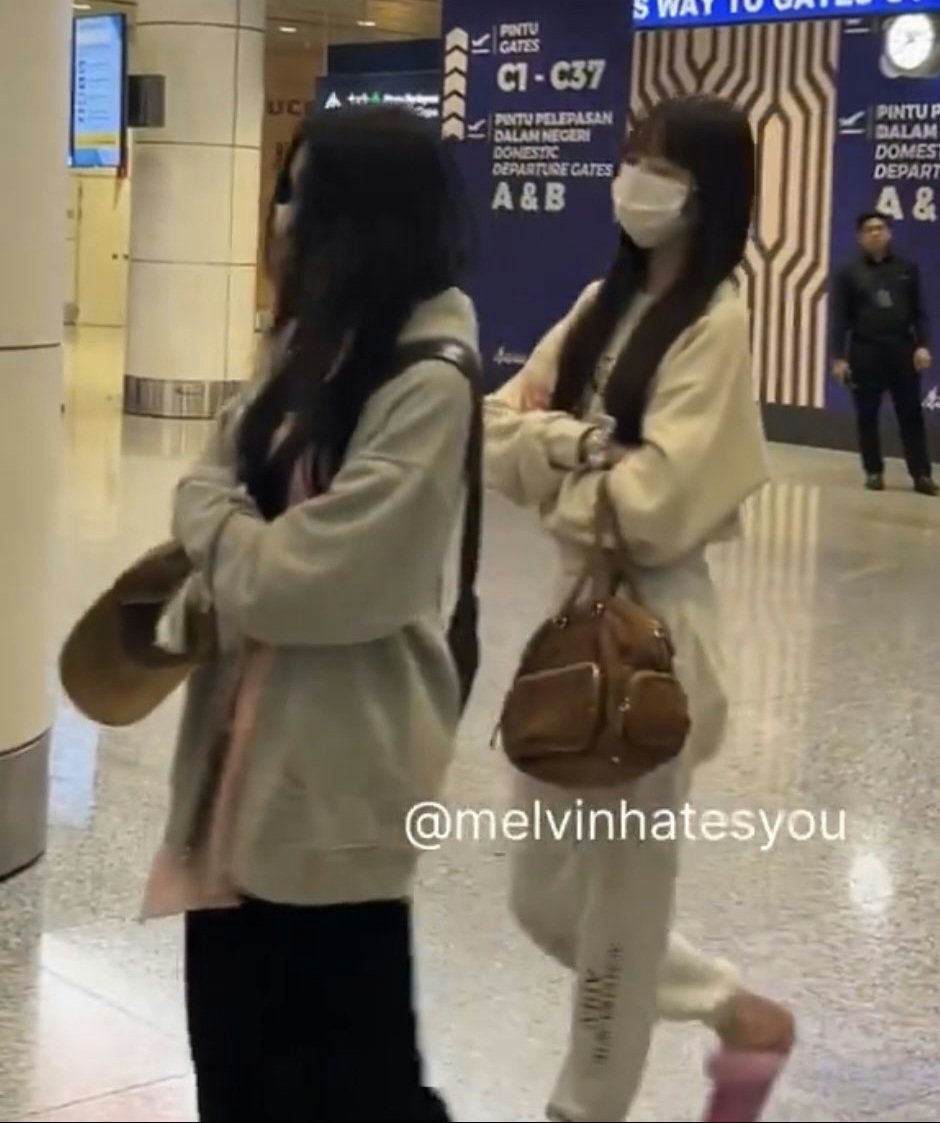
However, the narrative took a significant turn when additional videos filmed from different angles surfaced online. These new recordings provided crucial context that was missing from the original viral clip. In the fuller footage, Wonyoung can be seen politely handing her passport to staff with both hands when it was her turn. She appears to comply fully with standard identity verification procedures. While she does briefly cross her arms, the gesture was momentary and did not dominate the interaction as the initial clip suggested.

Many observers and supporters have since argued that the original controversy was driven by selective editing designed to portray Wonyoung in the most unfavourable light possible. This practice, often referred to as “clip chopping,” has become increasingly common in online K-pop discourse, where brief snippets are weaponised to fuel drama. The rapid spread of the negative version, contrasted with the relatively muted response to the clarifying footage, has reignited discussions about the “if not, then never mind” mentality prevalent in digital spaces — where accusations gain massive traction, but corrections or additional context often fade quickly.

This incident is not an isolated event for Wonyoung. As one of the most recognisable and commercially successful young idols in the industry, she has frequently been subjected to heightened scrutiny. From her eating habits and fashion choices to subtle facial expressions during live broadcasts, seemingly innocuous moments have repeatedly sparked heated debates. Supporters maintain that she faces a level of criticism that far exceeds what many of her peers encounter, suggesting an element of envy or targeted harassment rooted in her exceptional popularity and influence.
The episode has broader implications for how celebrities, especially young women in the spotlight, are treated in the age of social media. Online platforms enable instantaneous judgment, often without room for nuance or full context. In Wonyoung’s case, the initial wave of criticism likely caused considerable emotional distress, even if later evidence softened the narrative. Fans have expressed sympathy, noting that the psychological toll of such public pile-ons cannot be easily undone once negative perceptions take root.
Industry insiders and commentators have used the situation to highlight ongoing issues within K-pop fandom culture. The intense pressure on idols to maintain flawless public personas leaves little margin for ordinary human behaviour. A brief moment of tiredness, distraction, or natural posture at an airport can be twisted into accusations of arrogance. This dynamic contributes to what many describe as a toxic environment of “witch hunts,” where celebrities are held to unrealistic standards and minor incidents are amplified for engagement and clicks.
Wonyoung herself has not publicly addressed the latest controversy, consistent with her usual approach of focusing on her work rather than engaging with online noise. Her professionalism amid such frequent scrutiny continues to earn admiration from loyal supporters, who view her as a resilient figure navigating the complexities of stardom at a young age.
As the debate continues, the incident serves as a timely reminder of the power — and peril — of viral content. What begins as a simple airport video can rapidly escalate into a major scandal, only to be undermined by fuller evidence. For fans and netizens alike, it underscores the importance of seeking complete context before forming judgments.
In the wider conversation, this controversy reflects deeper societal issues around celebrity culture, parasocial relationships, and the ethics of online criticism. While constructive feedback has its place, the pattern of disproportionate attacks on figures like Jang Wonyoung raises questions about fairness and empathy in digital spaces. As K-pop continues its global expansion, addressing these challenges will be essential to fostering a healthier environment for both artists and audiences.
Ultimately, the resurfaced footage has helped restore some balance to the narrative surrounding Wonyoung’s airport interaction. Yet the speed and intensity of the initial backlash serve as a cautionary tale about the unpredictable nature of online virality and the heavy personal cost it can impose on public figures. In an industry where image is everything, moments like these reveal how fragile perceptions can be — and how quickly they can shift when fuller truths emerge.