The highly anticipated K-drama Perfect Crown, starring IU and Byeon Woo-seok, has generated significant discussion not only for its romantic storyline but also for a growing controversy surrounding its depiction of historical elements. Director Park Joon-hwa has now broken his silence, issuing a heartfelt public apology and accepting full responsibility for the issues that have upset many viewers. This development comes after the lead actors faced intense criticism for their own earlier statements of regret.
Perfect Crown is set in an alternate modern-day South Korea functioning as a constitutional monarchy. The series follows Seong Hui-joo (played by IU), a wealthy heiress living as a commoner despite her privileged background, and Grand Prince I-an (Byeon Woo-seok), a member of the royal family with limited actual power. Their contract marriage gradually develops into a genuine romance that challenges traditional power structures. While the drama achieved impressive viewership ratings and strong international streaming numbers on Disney+, certain scenes in the later episodes triggered widespread debate among Korean audiences.

The main point of contention arose in episode 11 during Grand Prince I-an’s coronation sequence. Viewers pointed out several details they considered historically inaccurate or potentially misleading. These included the use of the term “Cheonse” instead of the traditional Korean “Manse,” and the design of the crown worn by Byeon Woo-seok’s character. Critics argued that these choices suggested Korea held a subordinate position, reminiscent of historical tributary relationships with imperial China, rather than portraying an independent monarchy. Some even linked the portrayal to ongoing concerns about cultural appropriation and historical narratives promoted in neighboring countries.

In response to the growing online criticism, both IU and Byeon Woo-seok issued personal apologies on social media. IU, in particular, delivered an emotional message during a fan event coinciding with her birthday, expressing disappointment in her own performance and promising greater responsibility in future projects. Many fans, however, reacted negatively to these apologies. They argued that the actors should not bear the primary blame, as they were simply interpreting the script provided by the production team. This perspective shifted public attention toward the director and writers, demanding accountability from those responsible for creative decisions.
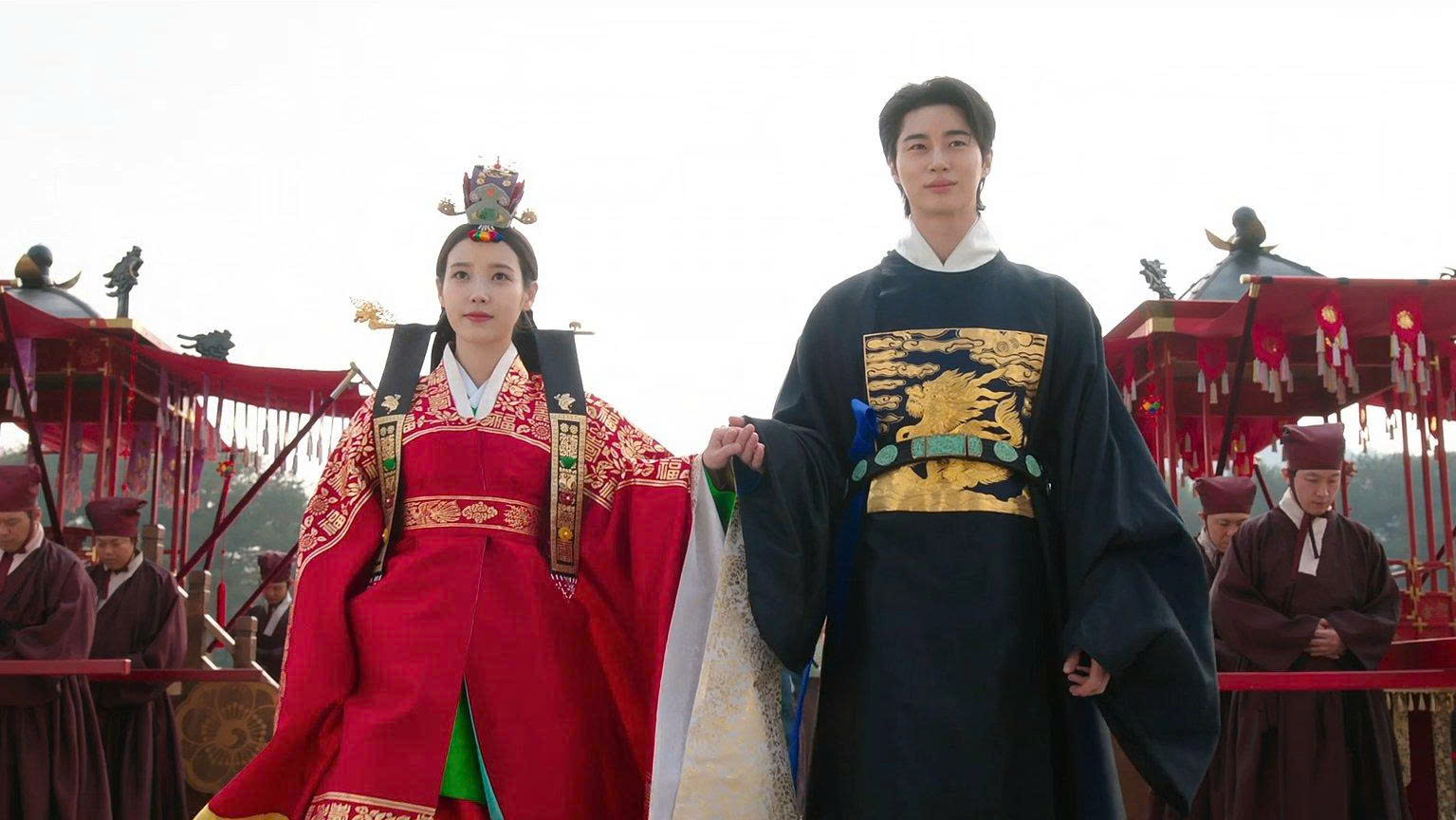
On May 19, 2026, Director Park Joon-hwa finally addressed the controversy during a media interaction. He expressed deep regret, acknowledging that what he had hoped would bring joy to audiences had instead caused discomfort and division. Park stated that as the director, he held the greatest responsibility and offered no excuses for the shortcomings in the production. He specifically apologized to viewers who felt disappointed and extended particular sorrow toward the lead actors, noting how regrettable it was that IU and Byeon Woo-seok had to shoulder public criticism for decisions beyond their control.

Park’s statement reflected genuine emotional weight. He mentioned feeling especially sorry that dedicated cast members, who had worked tirelessly, ended up facing unnecessary hardship. His words emphasized a desire to create meaningful entertainment, while recognizing that the final result fell short of expectations in certain sensitive areas. This direct acceptance of responsibility helped calm some of the outrage, although discussions continue across online communities.
The controversy highlights broader challenges in producing historical or semi-historical dramas in South Korea. Even when stories are framed as fictional alternate realities, audiences often expect careful attention to cultural symbols, royal protocols, and national pride. In this case, the production team reportedly made adjustments to some scenes following initial feedback, demonstrating responsiveness to viewer concerns. Nevertheless, the incident sparked petitions calling for stronger oversight in future projects involving national heritage elements.
Despite the backlash, Perfect Crown has enjoyed considerable success. It recorded high ratings on domestic television and accumulated tens of millions of viewing hours on streaming platforms. The chemistry between IU and Byeon Woo-seok received praise from many fans who appreciated the lighthearted romance and character development. IU’s portrayal of a strong yet vulnerable heiress and Byeon Woo-seok’s nuanced performance as a constrained royal figure contributed significantly to the drama’s appeal.
This situation also raises important questions about the pressure placed on actors in the Korean entertainment industry. When controversies arise, lead performers often become the public face of criticism, even when creative control lies with directors and producers. Many industry observers and fans have called for more balanced accountability, suggesting that production companies should take proactive steps to ensure historical and cultural accuracy during pre-production.
As the drama concludes its run, Director Park Joon-hwa’s apology marks an attempt to provide closure and healing for affected audiences. His willingness to stand forward and acknowledge mistakes demonstrates a level of professionalism and humility that some viewers have welcomed. At the same time, the episode serves as a valuable lesson for the industry about balancing creative freedom with respect for historical sensitivities.
For IU and Byeon Woo-seok, the experience may strengthen their resolve to engage more deeply with material in future roles. Both artists have built reputations for dedication and sincerity, qualities that continue to earn them support from dedicated fanbases even amid challenges. The broader ARMY and international K-drama community has shown divided but passionate responses, with many emphasizing the importance of separating artistic intent from unintended cultural implications.
Ultimately, the Perfect Crown controversy underscores the powerful connection between entertainment and national identity in South Korea. While the drama aimed to offer escapism and romance, it inadvertently touched upon deeper historical sensitivities that resonate strongly with audiences. Director Park Joon-hwa’s response offers a model of accountability that may influence how similar projects are handled moving forward. As the entertainment landscape continues to evolve, maintaining open dialogue between creators, performers, and viewers will remain essential for producing content that entertains while honoring cultural heritage.