HBO’s Euphoria has reached a critical juncture midway through its third season. Once a groundbreaking drama that captured the chaotic realities of adolescence with striking visuals and bold storytelling, the series now feels exhausted and directionless. It is time for the show to draw to a close, allowing its compelling yet troubled characters to exit the stage before further diminishing returns set in.

Sam Levinson’s creation first premiered in 2019, quickly gaining attention for its unflinching exploration of addiction, toxic relationships, and the pressures faced by Generation Z. Zendaya’s portrayal of Rue Bennett, a recovering drug addict navigating high school life, anchored the narrative alongside a talented ensemble including Sydney Sweeney as Cassie Howard, Jacob Elordi as Nate Jacobs, Alexa Demie as Maddy Perez, and Hunter Schafer as Jules Vaughn. The first two seasons delivered intense, visually arresting episodes filled with raw emotion and provocative themes that sparked widespread discussion.
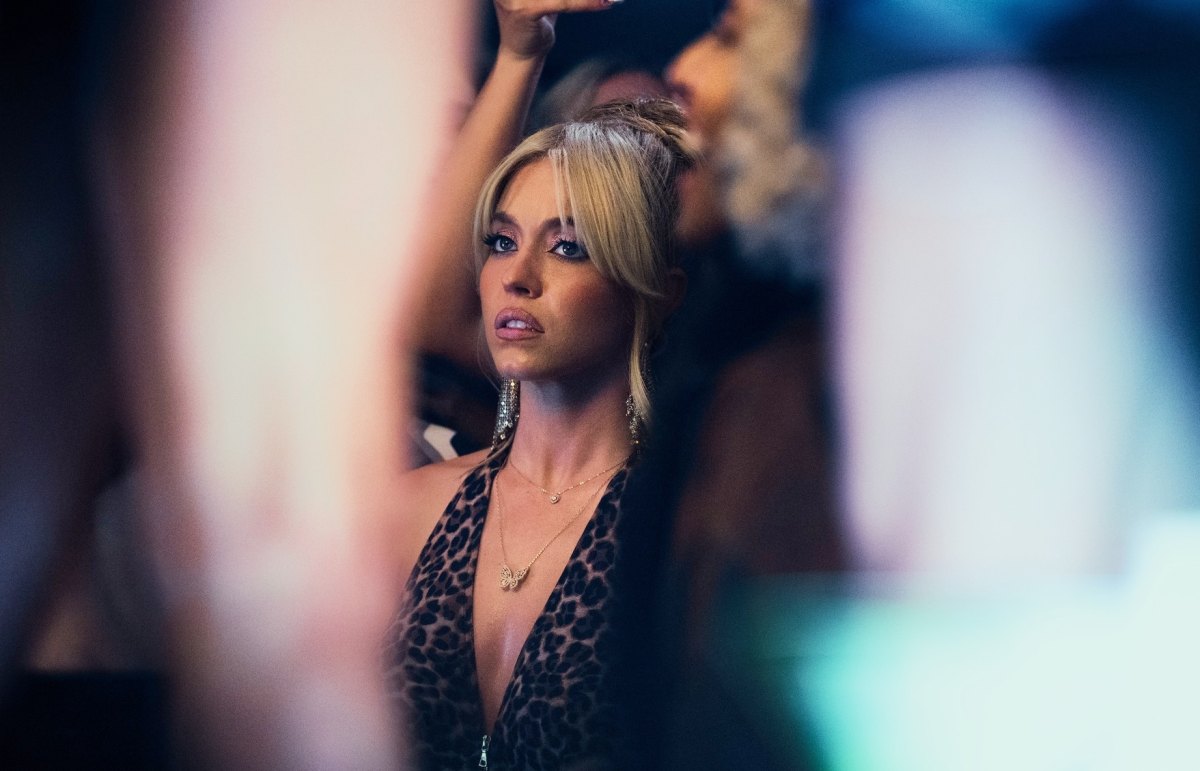
However, significant delays between seasons – Season 2 arrived in 2022, followed by a lengthy wait for the third – have altered the show’s momentum. A substantial time jump has propelled the characters into their early twenties, shifting the setting away from high school. While this evolution might have offered fresh opportunities, it has instead exposed the series’ creative limitations. What began as an ambitious examination of youth culture now struggles to find meaningful purpose.

The current season illustrates this decline clearly. Rue’s storyline opens with her working as a drug mule for a powerful figure, complete with uncomfortable scenes depicting the physical toll of smuggling substances across borders. These moments aim for shock value but often feel gratuitous rather than insightful. The female characters, in particular, endure repeated humiliations that border on exploitative. Cassie embarks on an OnlyFans journey under Maddy’s guidance, resulting in degrading sequences that evoke pity more than empowerment. Jules, pursuing her artistic ambitions while involved in a sugar-baby arrangement, faces bizarre encounters that lack deeper exploration.

Such plot developments highlight a broader issue: the show appears trapped in a cycle of excess without substantial commentary. Early seasons, despite occasional missteps, at least attempted to address complex topics like mental health, identity, and societal expectations. In Season 3, these efforts have given way to convoluted subplots that pile up without resolution or emotional weight. Nate’s entanglement with dangerous debts, including extreme personal consequences, unfolds alongside Jules’s defiant artistic choices that serve little narrative function beyond creating chaos.
Levinson’s directorial approach, known for its distinctive aesthetic and willingness to push boundaries, once complemented the storytelling effectively. Now, it contributes to a sense of fatigue. The series throws multiple over-the-top elements into each episode – from improbable financial crises to surreal humiliations – without allowing any to develop organically. Viewers find themselves tracking numerous threads that ultimately feel pointless, leading to exasperation rather than engagement. The result is a narrative that prioritises spectacle over substance, leaving audiences emotionally detached.
This creative stagnation becomes particularly evident when compared to the show’s earlier highs. The strong performances from the cast remain a saving grace, with Zendaya, Sweeney, and others delivering committed portrayals even in weaker material. Yet talent alone cannot compensate for the absence of fresh perspectives. The characters, once vividly drawn in their teenage turmoil, now drift through adult challenges without clear growth or compelling arcs. Their actions often lack motivation, reinforcing a feeling that the series is merely going through the motions.
Prolonged production gaps have also impacted the show’s relevance. What felt urgent and timely in 2019 now risks appearing dated in a rapidly evolving cultural landscape. Issues surrounding youth, technology, and relationships continue to matter, but Euphoria no longer seems equipped to illuminate them in innovative ways. Instead, it recycles familiar tropes of self-destruction and interpersonal conflict without offering new insights or emotional catharsis.
Ending the series after Season 3 would provide a dignified conclusion while preserving its legacy. The show has already influenced television by normalising frank discussions about difficult subjects and showcasing exceptional young talent. Allowing it to conclude now would prevent further dilution of its impact and give the cast opportunities to explore diverse projects unburdened by long-term commitments. Zendaya and her co-stars have blossomed into major stars, and their continued involvement in a fading series might limit their potential elsewhere.
Of course, some fans may hope for resolution to lingering storylines, particularly regarding Rue’s recovery and the complex web of relationships. However, forcing additional seasons risks amplifying the current problems rather than resolving them. A focused final run of episodes could tie up key threads with the intensity that defined the show’s best moments, delivering a memorable send-off instead of prolonging an increasingly hollow experience.
Ultimately, Euphoria finds itself echoing Shakespeare’s description in Macbeth of a tale “full of sound and fury, signifying nothing.” The visual flair and dramatic intensity persist, but they lack the meaningful foundation that once made the series so captivating. HBO would be wise to recognise this moment and bring the story to a close, celebrating what it achieved while avoiding the pitfalls of overextension.
In an era of endless franchises and revived properties, choosing to end a show at the right time demonstrates creative confidence. Euphoria captured a specific cultural moment with remarkable style. Preserving that achievement means knowing when to step away. As the characters grapple with adulthood and uncertainty, the series itself should embrace a similar transition – one that leads to a graceful conclusion rather than a prolonged decline.