After nearly four years off the air, I wasn’t sure Euphoria Season 3 was even worth revisiting. The show’s habit of long gaps between seasons had left me unsure if the series could still recapture the magic that made the first two seasons such a compelling watch. On paper, the new season felt like a departure from what worked—its storylines seemed contrived, and the overall direction felt too different.
But now that I’ve watched the first few episodes of this highly controversial third season, I’m surprised to find that it’s strangely compelling, albeit in an unsettling way. There’s something about it that feels off, though I can’t quite place what it is.

One of my biggest concerns going into Season 3 was the time jump. The tight-knit group of characters that defined the earlier seasons—Rue, Cassie, Maddie—was no longer in high school, so I couldn’t help but wonder how their lives would still intersect in a meaningful way years later. That connection was a major factor in what made the earlier seasons of Euphoria tick. Now, with that structure gone, the show feels much looser, with characters scattered across California and far more disconnected than before.

Instead of feeling like a cohesive group, the characters seem to drift in and out of each other’s storylines, as if they no longer share the same world. The strong emotional ties and complex relationships from the first seasons have been replaced with something that feels more disjointed. This shift leaves the characters feeling more isolated from each other, which only deepens the underlying sense of unease that permeates the show.
Rue, the show’s focal point, remains as chaotic as ever. Trouble follows her wherever she goes, even when she tries to make the right decisions. This season, however, it’s not just that she’s making poor choices—it’s that she seems to believe the usual rules don’t apply to her anymore.
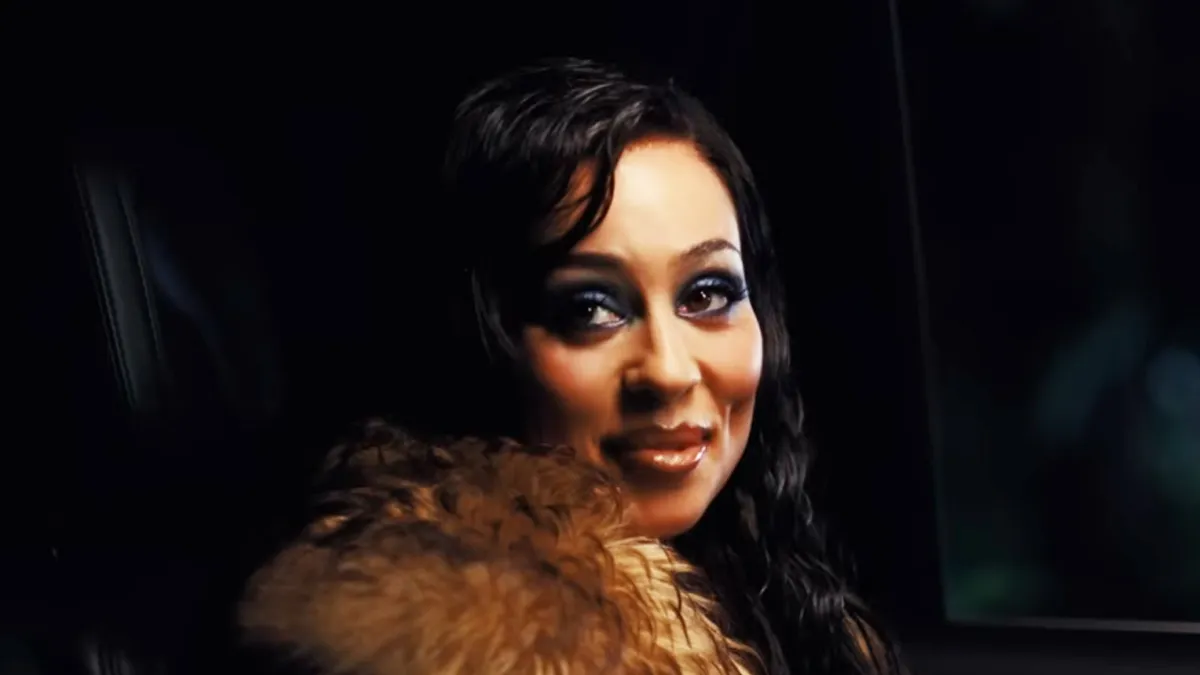
Take her interaction with Angel as an example. Rue tells Angel the truth about Tish, putting herself in an unnecessarily dangerous position without any clear benefit. It’s one of many actions this season where Rue’s decision-making feels disconnected from any real sense of consequences.
Then there’s the introduction of Alamo and Laurie. While Rue might see Alamo as the lesser evil between the two, that doesn’t make him a safe choice. Both Alamo and Laurie have their own hidden motives, with control and money at the core of their actions. Rue is now entangled with them, and everything they do seems to be a maneuver to benefit themselves at the expense of others. The most disturbing part of this is the rehab situation, which, on the surface, feels like a place of healing but, in reality, has a much darker undertone.
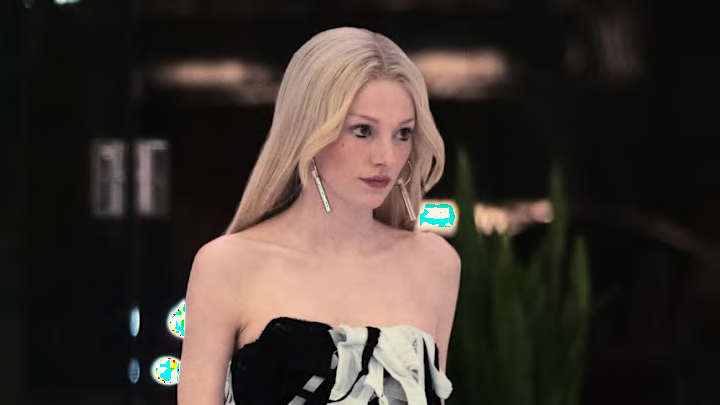
The lack of legitimacy in this rehab facility is chilling. There are no official processes, no documentation—just Rue dropping Angel off and leaving, which feels like something far more sinister. It’s as if Rue has unwittingly walked herself into a place where people can disappear without a trace, and if anything happens to Angel, Rue will be the last person to have seen her. That could come back to haunt Rue, especially if law enforcement starts building a case against Alamo and Laurie.
While Rue remains at the center of the show, the other characters’ storylines only contribute to the sense of fragmentation. Maddie, in particular, seems to have made the most natural progression from earlier seasons. She’s more calculated now, understanding how to play the long game, and this makes her one of the more interesting characters to watch. Compared to the other characters, Maddie is more in control, and it’s fascinating to see how she navigates her world with such purpose.
However, Nate’s character feels more like a step back. His financial struggles and personal life hint at a different version of the character, but it’s difficult to invest in a potential redemption arc after everything he’s done. If the show is trying to position Nate as an underdog, it’s a risky move, and I’m not sure it’ll pay off.
Jules, on the other hand, has the most disconnected storyline so far. Her presence this season feels like an afterthought, with no real exploration of how she got to this point. Compared to her impactful arcs in previous seasons, her scenes this season feel more like a checkbox being ticked off than an integral part of the narrative.
The lack of a central, cohesive theme for Season 3 is evident. Without the school setting tying everyone together, the show feels more fragmented. These characters exist in the same world, but it doesn’t feel like they are all part of the same story anymore. The narrative seems less stable, less predictable, and at times, it’s more unsettling than thrilling.
While the show has always been known for its chaotic, unpredictable nature, Season 3 pushes that instability to a new level. It’s almost as if the characters are wandering through their lives without any real direction, and that lack of structure makes the season feel more erratic than ever.
At the core of Season 3 is a love triangle involving Maggie, Cal, and Liam. However, this plot feels more like a tired rehash of the same romantic drama we’ve seen before. The triangle between the three characters doesn’t feel fresh—it feels contrived and forced. The show relies heavily on this drama to drive the plot, but it’s hard to see how this storyline will keep audiences engaged long-term, especially when it feels more predictable than in previous seasons.
Ultimately, Euphoria Season 3 feels like a version of the show where anything could happen, but no one is really safe. There’s a strange allure to it—something about the disjointedness of the plot makes it hard to stop watching, but that doesn’t mean it’s a satisfying experience. The show feels more fragmented and chaotic than ever, and that’s something viewers will either embrace or be turned off by.
The lack of connection between the characters, combined with the increasingly dark and disturbing turns in Rue’s storyline, creates an atmosphere of unease that carries through each episode. Whether or not this season can come together remains to be seen, but for now, the show feels like it’s treading water—gripping, yet unsettling and uncomfortable in a way that’s hard to ignore.