G-Dragon’s highly anticipated feature on aespa’s latest track “WDA (Whole Different Animal)” has sparked significant controversy, with many Korean netizens harshly criticising the lyrics he personally wrote for his verse. Released on May 11, 2026, the song was meant to showcase a bold hip-hop direction for the SM Entertainment group. Instead, it has triggered widespread disappointment, with some calling the contribution one of the weakest in recent K-pop history.
The veteran rapper contributed his own lyrics to the third verse of the track. Lines such as “Why aren’t you girls different anymore?” along with references to “munchkins” and “conqueror’s haki” — a clear nod to the popular anime One Piece — have drawn particular scrutiny. While G-Dragon has a long history of incorporating playful, cultural, and self-referential elements into his work, many listeners found this verse outdated, confusing, and mismatched with aespa’s futuristic concept.

Korean netizens took to social media platforms like X to express their dissatisfaction. Comments described the lyrics as “the worst K-pop lyrics I’ve ever seen,” criticising the alternating Korean and English structure as an outdated stylistic choice that feels forced and lacking in substance. Others expressed confusion over the meaning, with one user stating they could not understand the intent behind mixing random words. Harsh remarks even included suggestions to “flush G-Dragon down the toilet,” highlighting the intensity of the backlash.
지드래곤좀 변기에넣고 내려봐 https://t.co/GneDs7iuA2
— 지쥬래건 (@syihtbt) May 11, 2026
Many pointed out that the verse feels disconnected from 2026 trends, with some noting it carries a “2016 vibe” rather than reflecting current musical sensibilities. Critics argued the lyrics come across as cringeworthy and meaningless, failing to deliver the impactful punch expected from an artist of G-Dragon’s calibre. This reaction stands in contrast to the excitement that usually surrounds collaborations between senior and junior artists in the industry.
The feature itself stems from a personal request by aespa member Giselle, who appeared as a guest on G-Dragon’s variety show and asked him to participate. Despite the good intentions behind the collaboration, parts of aespa’s Korean fandom had already voiced concerns before the release. Some organised boycott efforts, and the lukewarm chart performance has been partly attributed to reduced streaming from dissatisfied supporters.
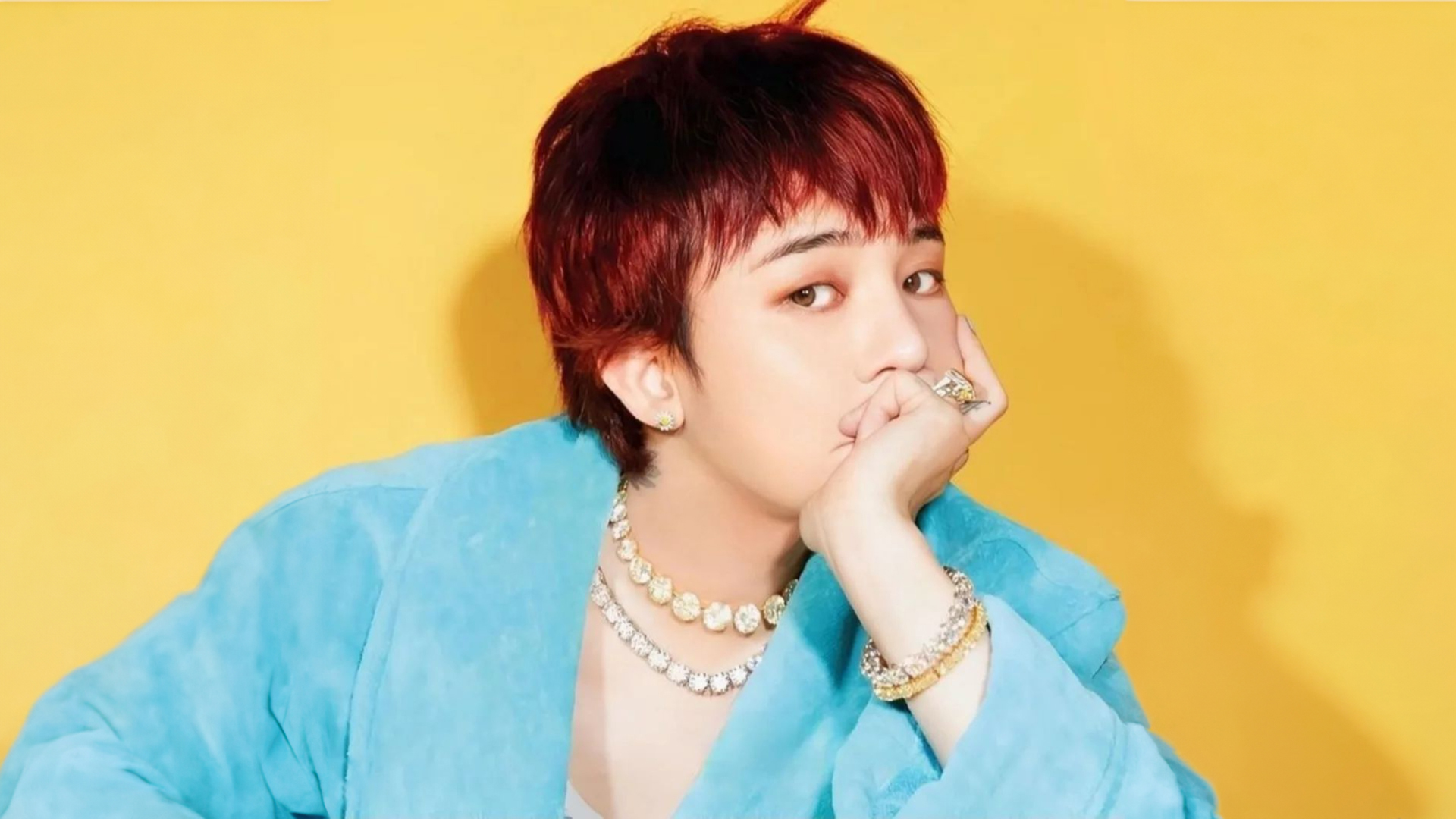
This controversy adds to broader discussions about generational gaps in K-pop. G-Dragon, widely regarded as a pioneer and one of the most influential figures in the genre, has shaped trends for nearly two decades. However, as the industry evolves rapidly with new concepts and global influences, some fans feel his style no longer aligns perfectly with younger groups like aespa, known for their innovative AI-metaverse image and high-energy performances.

Defenders of the collaboration argue that expectations may have been unrealistically high. G-Dragon’s verse brings a distinct flavour and experience that could appeal to international audiences, even if it did not resonate domestically. Supporters also highlight his willingness to collaborate with rising acts, viewing it as a positive bridge between different eras of K-pop. Nevertheless, the dominant online narrative has focused on the perceived weaknesses rather than the positives.
aespa’s overall single has also faced criticism for being bland and underwhelming compared to their previous releases. Some listeners drew unfavourable comparisons to earlier tracks, suggesting the hip-hop direction did not fully suit the group’s signature sound. The combination of these factors has created a challenging promotional period for the quartet, despite their strong global following.
The incident underscores the intense scrutiny every element of a K-pop release undergoes in the digital age. Lyrics, once secondary to melody and performance, now face immediate and detailed analysis from engaged fan communities. For established artists like G-Dragon, maintaining relevance while experimenting with new collaborations carries inherent risks, especially when working with groups that have distinct brand identities.
As of May 12, 2026, neither G-Dragon nor SM Entertainment has issued an official response to the growing criticism. aespa continues with scheduled promotions, while fans on both sides continue to debate the merits of the track. The episode serves as a reminder of the passionate — and sometimes unforgiving — nature of K-pop fandoms, where even legendary figures are held to exceptionally high standards.
In the wider context of the industry, such controversies often fade as new releases capture attention. However, this particular reaction highlights ongoing tensions between nostalgia for classic K-pop styles and the demand for fresh, trend-forward material. Whether the collaboration ultimately boosts aespa’s profile or becomes a footnote in G-Dragon’s storied career remains to be seen. For now, it has certainly generated more discussion than many anticipated.
As aespa moves forward with their activities, the focus will likely shift back to their overall discography and future concepts. For G-Dragon, the experience may inform how he approaches future features. In an industry that thrives on innovation yet values tradition, finding the right balance continues to challenge even the most experienced artists.