A troubling new online phenomenon has emerged in connection with Netflix’s popular K-drama *Teach You A Lesson*, raising serious concerns about the blurred line between fiction and reality. International viewers appear to be harassing ordinary Korean female high school students on TikTok, accusing them of being school bullies and flooding their comment sections with hostile remarks inspired by the series.
The drama, which centres on themes of school violence, bullying, and vigilante-style justice, has proven highly engaging for many audiences. However, its intense portrayal of retribution against perpetrators has seemingly encouraged some fans to project these narratives onto real-life individuals. Screenshots circulating on social media show foreign users leaving malicious comments under videos posted by ordinary Korean schoolgirls, often accompanied by reaction images and memes from the show.

One widely shared post on X (formerly Twitter) highlighted the issue, noting that after watching the series, certain viewers began targeting innocent students by calling them “school bullies” or “plastic surgery monsters.” The comments reportedly include spam from drama scenes, creating an intimidating environment for the young girls who have no connection to the show’s plot. This behaviour has sparked outrage among Korean netizens, who describe it as deeply disturbing and unjustified.
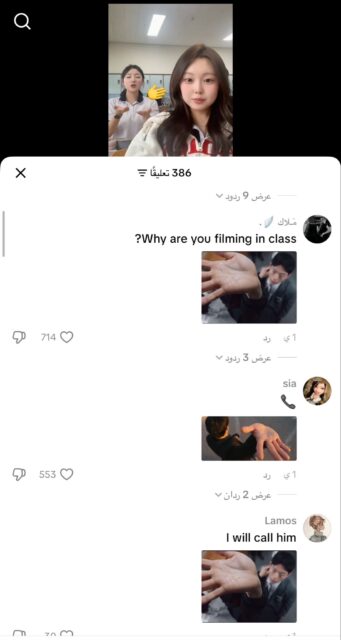
Efforts by more reasonable commenters to intervene and defend the students have largely been unsuccessful. Anti-Korean sentiment appears to fuel much of the harassment, with some participants justifying their actions by generalising that “Koreans enjoy bullying others” or assuming the girls must be guilty simply because of their appearance or nationality. This logic has been criticised as a dangerous excuse for venting personal prejudices under the guise of seeking justice.
![REVIEW] Netflix drama 'Teach You a Lesson' serves as reality check for Korea's broken education system - The Korea Times](https://newsimg.koreatimes.co.kr/2026/06/04/e7bb5a73-6ca8-44f4-8817-9b03fd552071.jpeg)
The trend reflects broader issues surrounding the consumption of revenge-themed content. While *Teach You A Lesson* aims to address serious problems like school bullying and institutional failures, its dramatic escalation of violence and punishment may be misinterpreted by viewers already holding negative biases. Some Korean commentators have drawn comparisons to similar past incidents, where fictional stories led to real-world targeting of unrelated people.

Many have expressed disappointment not only with the harassers but also with the drama itself. Critics argue that the series, adapted from a webtoon, may inadvertently glorify excessive retribution, blurring ethical boundaries. Others point out that Korean school dramas often depict extreme violence, potentially reinforcing harmful stereotypes among international audiences who lack context about everyday life in South Korea.
The affected students, who are minors sharing typical content like school routines, dances, or daily life, find themselves caught in this wave of unfounded accusations. Being labelled as bullies or subjected to spam can have significant emotional and psychological impacts, especially at a vulnerable age. Korean online communities have voiced exhaustion and frustration, with some women noting the added burden of living under constant scrutiny and stereotyping.
This incident highlights the responsibility that comes with creating and consuming media that deals with sensitive social issues. Content creators and platforms must consider how narratives might be weaponised, while viewers are reminded of the importance of separating entertainment from reality. Harassing innocent individuals, particularly minors, crosses a clear ethical line regardless of one’s opinions about a television show.
Netflix has not yet issued a specific statement regarding this trend, though the drama has already faced other controversies related to its source material and portrayal of sensitive topics. The series stars notable actors and has generated significant buzz for its bold take on education system failures, but the unintended real-world consequences now cast a shadow over its reception.
Social media platforms like TikTok play a central role in amplifying both the drama’s popularity and these problematic behaviours. Algorithm-driven content can quickly spread harmful trends, making it challenging to moderate such interactions effectively. Calls have grown for better safeguards to protect young users from coordinated harassment campaigns.
Korean netizens have reacted with a mixture of anger and sadness. Many emphasise that while school bullying remains a genuine issue that deserves attention, targeting random students achieves nothing constructive. Instead, it perpetuates division and demonstrates a failure to engage thoughtfully with the drama’s intended message.
This situation serves as a cautionary tale about the power of media influence in the digital age. Fictional stories can inspire positive change when handled responsibly, but they can also fuel prejudice and harm when consumed without critical thinking. As K-dramas continue to gain global popularity, greater awareness of cultural context and media literacy becomes increasingly important.
For the young Korean girls affected, the hope is that the trend fades quickly and platforms take stronger action to curb such abuse. In the meantime, the incident has prompted valuable discussions about empathy, responsibility, and the real human cost behind online entertainment trends. As audiences worldwide engage with stories like *Teach You A Lesson*, remembering the distinction between drama and real life remains essential to preventing further unnecessary harm.