HBO’s Euphoria has always been known for its bold storytelling and distinctive musical identity, but the third season has left many viewers frustrated with its new soundtrack. The introduction of Oscar-winning composer Hans Zimmer in place of longtime collaborator Labrinth has sparked widespread disappointment among fans, who describe the fresh score as mismatched and lacking the edgy atmosphere that defined earlier episodes.
Labrinth’s contributions to the first two seasons were widely praised for their stylish needle drops and atmospheric tracks that perfectly captured the show’s moody, chaotic energy. His work helped ground the intense teen drama and elevated key emotional moments. However, Labrinth’s departure from the project was abrupt and apparently acrimonious. In a cryptic social media post, he announced his exit with strong language directed at the industry and the series, later explaining that he removed his existing music because he felt disrespected during the creative process.
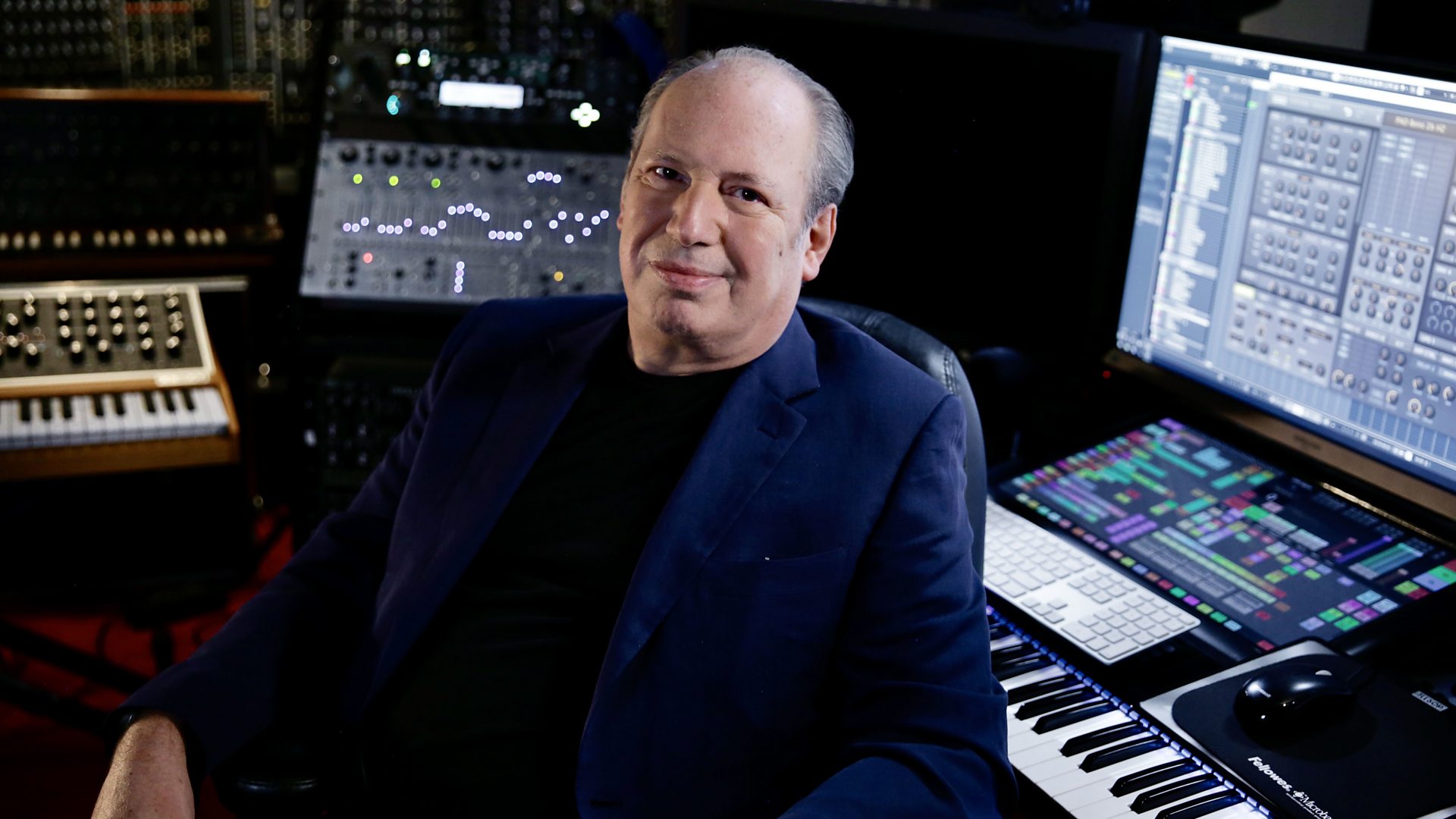
Zimmer, renowned for his epic film scores, was brought in to fill the gap. While his talent is undeniable, many argue that his cinematic style does not suit the raw, gritty aesthetic of Euphoria. Fans have taken to social media to voice their dissatisfaction, with some going as far as saying Zimmer is “going to hell” for the current soundtrack. One particularly memorable description called it “all inclusive resort elevator ass music,” suggesting it feels too polished, tranquil, and generic for the show’s dark themes.
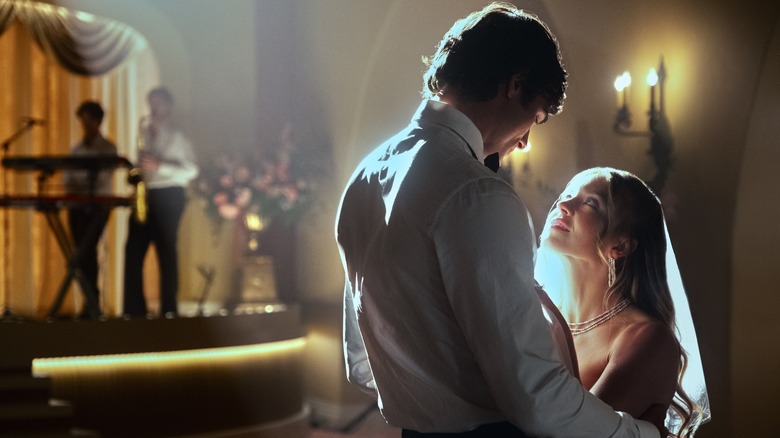
A standout example of the mismatch occurred during a key scene in the latest episode. Maddy Perez (Alexa Demie) makes a striking entrance at Cassie and Nate’s wedding wearing what fans have dubbed the ultimate revenge dress. In previous seasons, such a moment would have been amplified by a powerful, fitting track. Instead, Zimmer’s score reportedly undermined the tension, sounding more like an “alarm ringtone” or jungle background music, which quickly became a target of online ridicule.

This latest episode focused heavily on the consequences of Nate’s financial troubles, culminating in a violent confrontation on the couple’s wedding night. While the dramatic plot developments delivered the expected chaos, the subdued and tranquil melodies in the background made it harder for viewers to stay immersed. The contrast between the on-screen intensity and the understated music has been a recurring complaint throughout the season.
The shift in musical direction comes as Euphoria undergoes broader changes. Following a five-year time jump, the characters are now navigating adult life, with storylines revolving around hustling, survival, and personal consequences. This evolution was intended to refresh the series, but the loss of Labrinth’s signature sound has left some feeling that the show has lost part of its soul. Zimmer’s more traditional, cinematic approach feels astoundingly out of place for a programme once celebrated for its bold, youthful edge.
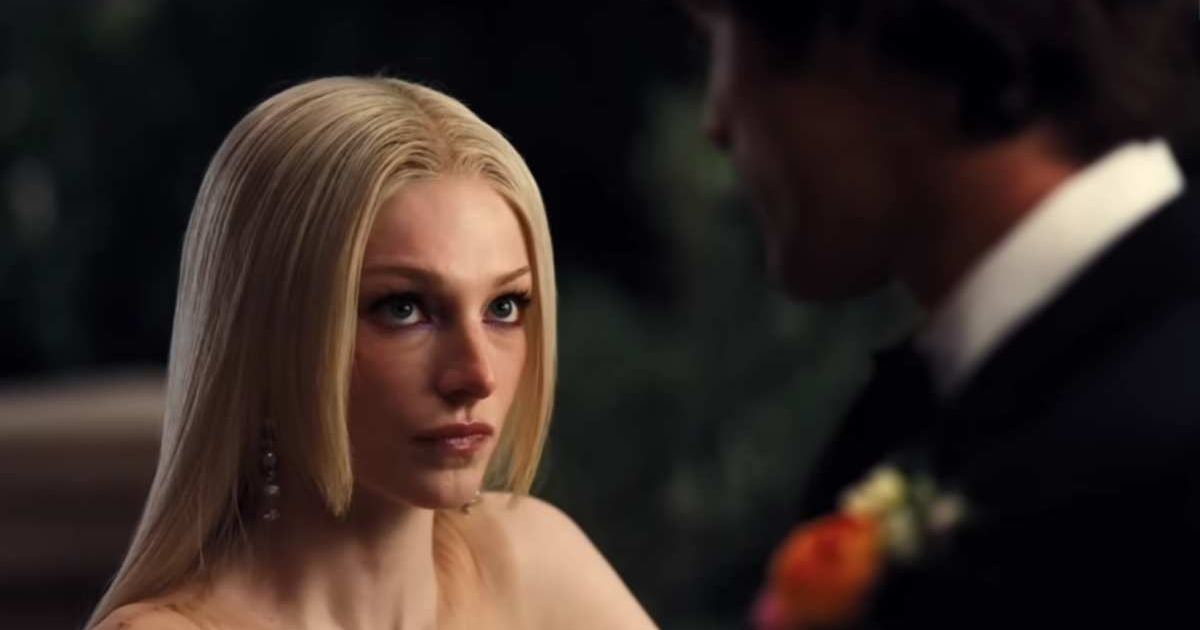
Not all reactions have been entirely negative. Some viewers have defended Zimmer, pointing out that he is a phenomenal composer whose style excels in film scores. They argue the issue is not his talent but rather a poor fit for Euphoria’s unique tone. As one fan noted on social media, disliking the soundtrack does not mean the music itself is bad — it is simply misplaced in this context.
With this being the final season of the series, the pressure to deliver a satisfying conclusion is high. Labrinth’s unhappy exit and Zimmer’s continued involvement suggest the new score will remain for the rest of the run. New episodes continue to air on HBO and Max on Sunday evenings, giving fans more opportunities to experience — and critique — the updated musical landscape.
The backlash highlights how integral music has always been to Euphoria’s identity. From its glittering visuals to its carefully chosen tracks, the show once felt like a cultural phenomenon that perfectly reflected its generation. The current season’s more conventional sound has contributed to a growing sense that the series has lost some of its original spark.
Whether Zimmer’s score will grow on audiences as the season progresses remains to be seen. For now, the vocal criticism serves as a reminder of how much Labrinth’s distinctive touch shaped the show’s early success. As Euphoria heads toward its conclusion, fans hope the remaining episodes can recapture some of the raw emotional power that first made the series so compelling — both on screen and through its unforgettable soundtrack.
The divide in opinions also reflects broader conversations about creative changes in long-running series. Replacing a key element like the composer is always risky, and in this case, it has divided the fanbase. While some appreciate the fresh approach, many long for the gritty, stylish energy that once defined every scene. As the final season unfolds, the music will continue to play a central role in how audiences experience the characters’ journeys into adulthood.
Ultimately, the soundtrack debate adds another layer to the mixed reception of Season 3. While the storylines push the characters into new and dramatic territory, the change in musical direction has become one of the most talked-about aspects of the show’s evolution. For dedicated fans, the hope remains that the remaining episodes will deliver a fitting farewell, even if the score continues to spark discussion.