The surprise standalone prequel episode “Gary” of The Bear delivers one of the series’ most emotionally raw explorations yet. Co-written by stars Ebon Moss-Bachrach (Richie) and Jon Bernthal (Mikey) and directed by Christopher Storer, the hour-long flashback reframes the entire show by diving deep into the complicated brotherhood between Richie Jerimovich and Michael “Mikey” Berzatto. More than a simple road-trip story, it offers profound lessons on the destructive nature of unprocessed grief and the damaging patterns of toxic masculinity that prevent men from seeking or offering genuine emotional support.
:max_bytes(150000):strip_icc():focal(812x334:814x336)/jon-bernthal-the-bear-050626-25ed8d2196764e3e882a082ed8320439.jpg)
Set several years before the events of Season 1, the episode follows Richie and Mikey on a mundane delivery job to Gary, Indiana, for Uncle Jimmy. What begins as a nostalgic “mission” filled with hot dogs, pickup basketball, and brotherly banter gradually unravels into a heartbreaking portrait of two men trapped by their inability to communicate vulnerability. Mikey’s erratic mood swings — from manic energy to sudden cruelty — reveal the depth of his untreated mental health struggles and addiction. Richie, desperately trying to keep the day (and their friendship) afloat, witnesses his cousin’s decline in real time but lacks the tools to address it directly.
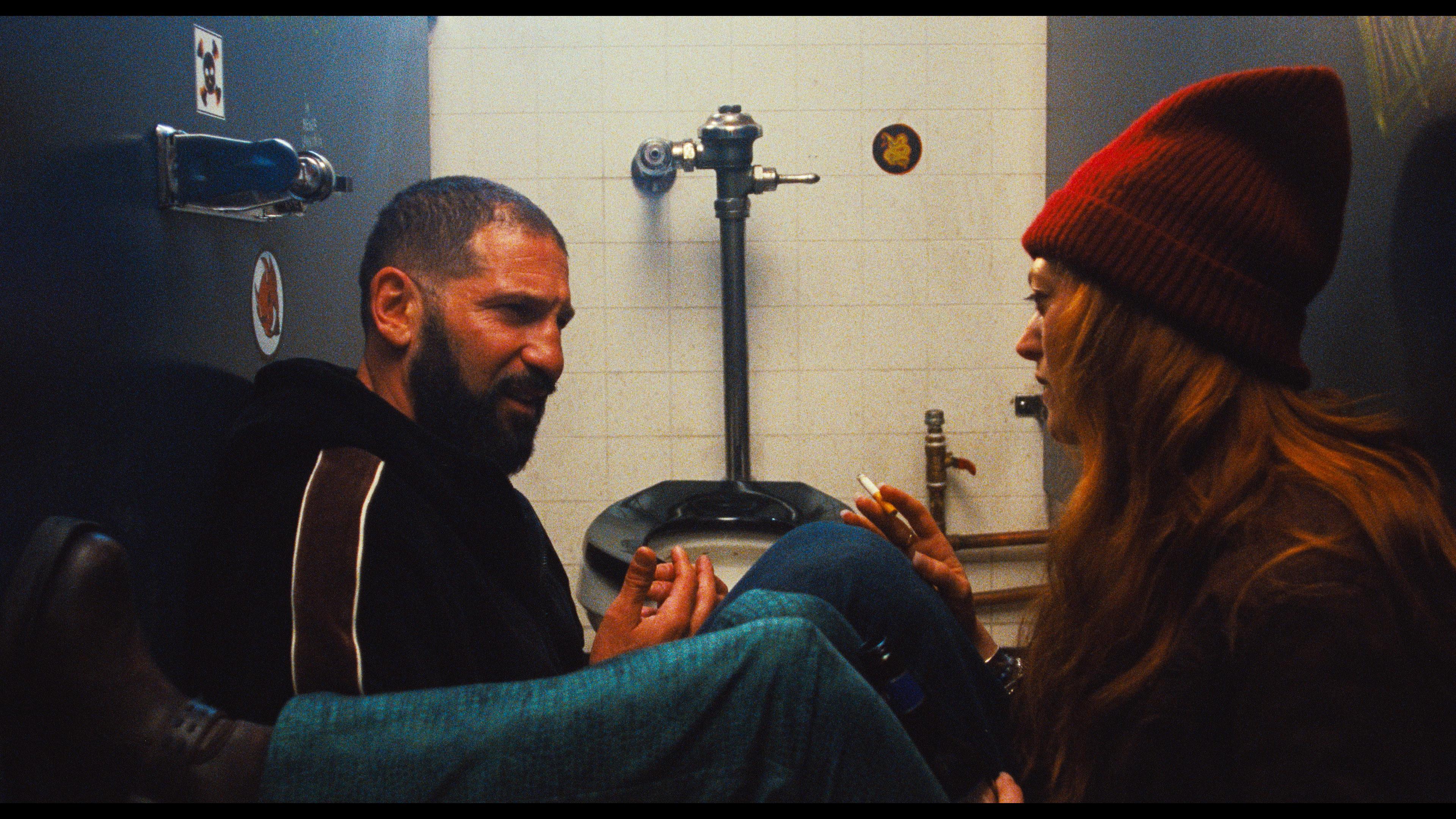
The episode powerfully illustrates how grief does not begin at the moment of death. Richie is already grieving Mikey while he is still alive — grieving the version of his best friend who is slowly disappearing beneath layers of pain, anger, and self-destruction. This anticipatory grief manifests in Richie’s over-the-top enthusiasm, his denial of warning signs, and his frantic attempts to preserve normalcy. By the time Mikey delivers a devastating public monologue attacking Richie’s impending fatherhood — predicting he will abandon his daughter just as others abandoned him — the emotional damage is irreversible. The cruelty stems not from hatred but from Mikey’s own unresolved trauma, projected outward in the only language he knows: harsh, masculine aggression.

This dynamic exposes toxic masculinity at its core. Both men grew up in an environment where emotions are buried under bravado, jokes, drugs, and violence. They declare their love through nicknames (“Cousin”), physical roughhousing, and shared vices rather than honest conversation. When Mikey finally opens up slightly to a stranger at the bar about his depression and feelings of abandonment, the vulnerability lasts only moments before it turns into rage. Richie, in turn, responds with anger and avoidance rather than empathy. Their inability to break this cycle — to say “I’m scared” or “I need help” — becomes the true tragedy of the episode.
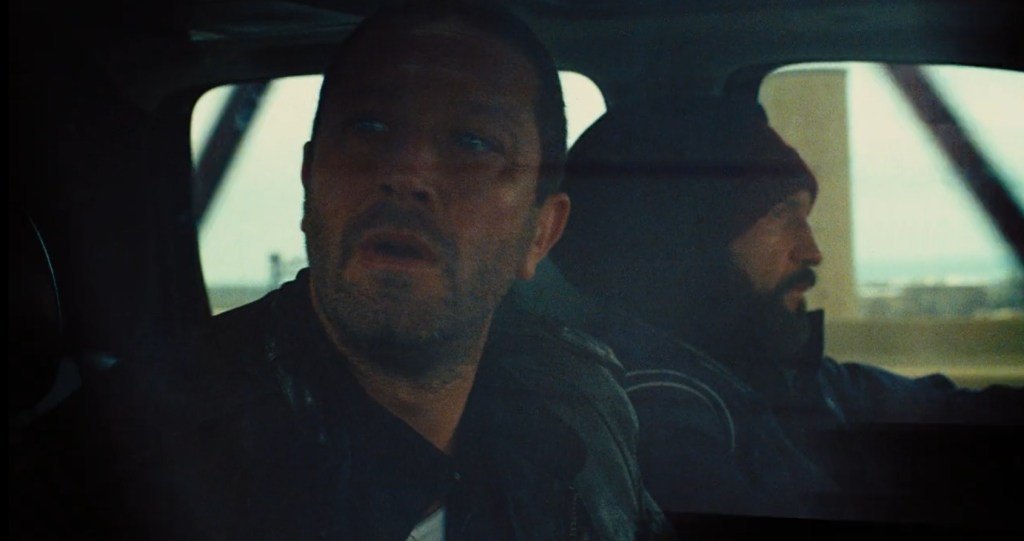
The present-day framing reinforces these lessons. Distracted by memories of Mikey while driving in heavy rain, Richie stares at the empty passenger seat, his unresolved grief nearly costing him his life in a car crash. This moment symbolises how unprocessed loss continues to endanger those left behind. Richie’s volatility in the early seasons — his hostility toward Carmy, his resistance to change — is no longer mere immaturity. It is the exhaustion of someone who has been grieving in silence for years, carrying the weight of failed attempts to save someone he loved.
“Gary” also highlights the intergenerational impact of toxic masculinity. Mikey’s pain, rooted in his fractured relationship with his mother and feelings of meaninglessness, leads him to sabotage the very connections that could help him. Richie, shaped by the same cultural norms, repeats patterns of emotional suppression even as he prepares to become a father. The episode suggests that without intentional effort to break these cycles — through therapy, open dialogue, or found family — men remain trapped in cycles of self-destruction and relational harm.
Yet the episode is not without hope. Despite the painful confrontation, Richie still shows up for Mikey. He endures the verbal assault and continues caring, demonstrating a stubborn loyalty that later evolves into the healthier growth we see in later seasons. His arc across The Bear — from chaotic hothead to more emotionally aware father and colleague — shows that change is possible when men confront their grief and reject the notion that vulnerability equals weakness.
Ultimately, “Gary” teaches that grief and toxic masculinity are deeply intertwined. Suppressing emotions does not eliminate pain; it only postpones and distorts it, often exploding outward and harming those closest to us. True healing requires men to name their suffering, ask for help, and allow themselves to be seen fully — flaws, fears, and all. By humanising Mikey’s decline and Richie’s quiet endurance, the episode reminds us that behind every “tough guy” is often a person desperate for connection they don’t know how to request.
In an era where male mental health crises remain stigmatised, “Gary” stands as a poignant cautionary tale and a call for greater emotional honesty. It deepens our understanding of why Richie behaves as he does throughout The Bear and challenges viewers to examine their own relationships. Grief, the episode suggests, does not have to define us — but ignoring it almost certainly will. As Season 5 approaches, this standalone story enriches the series’ central theme: the kitchen (and life) is a pressure cooker for unresolved trauma, and only by facing it together can we hope to move forward.