IU has found herself at the center of intense public debate following a court ruling that sentenced a woman in her 30s to four months in prison, suspended for one year, for repeatedly posting malicious comments about the singer and actress online. The decision, which also includes 80 hours of community service and one year of probation, has triggered strong reactions across Korean online communities, with many questioning whether the punishment fits the offense.
The case originated from comments posted in April 2022. The defendant referred to IU using terms such as “fraudster” and “mentally ill,” while also criticizing her singing ability, clothing choices, and public statements. In the first trial, she received a fine of 3 million KRW (approximately $1,990 USD). However, during the appeal process, another similar case was merged with the original charges, leading to a significantly harsher outcome. The Seoul Central District Court determined that the comments clearly constituted criminal insult with clear intent, noting the defendant’s complete lack of remorse throughout the proceedings.
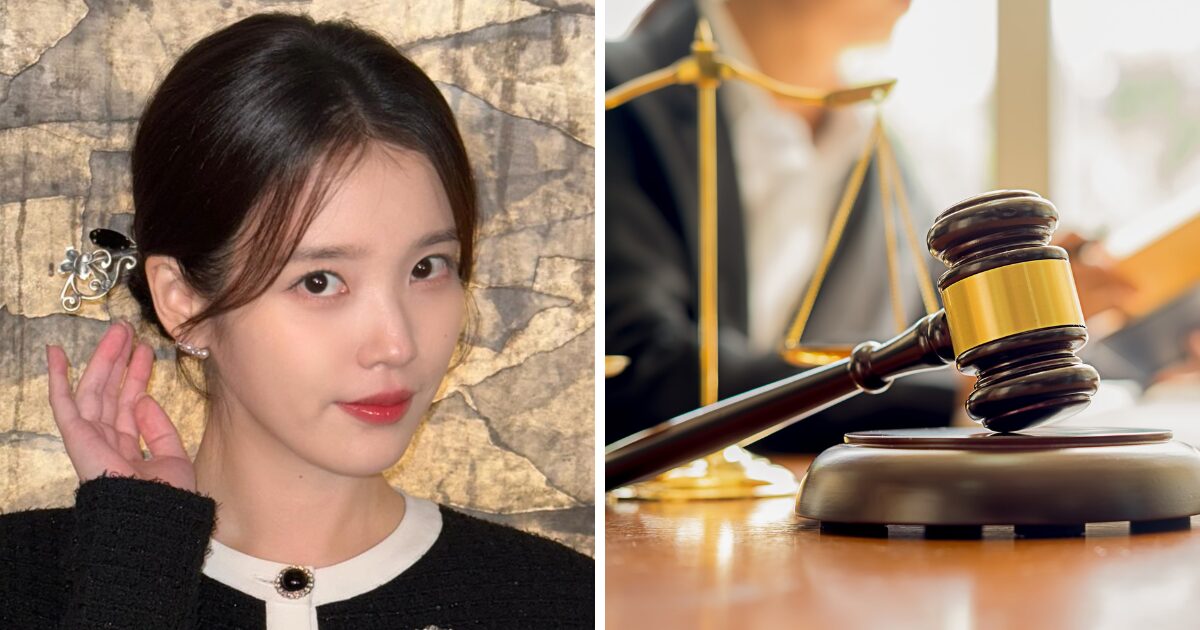
The ruling has now been finalized after the woman chose not to file a further appeal. While IU herself has not made any public statement regarding the verdict, her agency, EDAM Entertainment, is known for maintaining a strict zero-tolerance policy toward cyberbullying and malicious online behavior. Many fans initially celebrated the outcome as a strong warning against online harassment directed at celebrities. However, the severity of the sentence has quickly shifted the conversation, sparking heated discussions about freedom of speech, celebrity influence, and the application of defamation laws in South Korea.

Netizens have expressed particular concern over the fact that the woman reportedly suffers from epilepsy. Some argue that the court should have considered diminished responsibility due to her health condition, but the judges explicitly ruled that there was no basis for such a claim. Online comments have highlighted what many see as a stark contrast in how the justice system treats different cases. One widely shared post stated, “A celebrity worth 50 billion won gets a woman in her 30s with epilepsy sent to prison for just four insulting comments, with absolutely no consideration for diminished responsibility.”

Critics have described the punishment as excessive for online comments, even if they were clearly insulting. Many have raised questions about whether such rulings effectively silence ordinary citizens while protecting high-profile figures. Comments like “What kind of existence is IU that she is untouchable?” and “Getting a prison sentence just for leaving malicious comments is seriously scary” reflect growing unease about the balance between protecting public figures and preserving free expression.

This controversy adds to a series of recent discussions involving IU. The artist has faced various online challenges in the past, including conspiracy theories and other forms of harassment. Supporters of the ruling argue that consistent legal action is necessary to deter cyberbullying, especially given the intense scrutiny celebrities face daily. They point out that repeated, targeted insults can cause significant emotional harm and that public figures deserve protection just like anyone else.
On the other side, opponents view the case as an example of unequal justice. They compare it to situations where more serious crimes, particularly those involving violence or exploitation, sometimes receive lighter treatment. This perceived inconsistency has fueled broader conversations about class differences, celebrity privilege, and the effectiveness of South Korea’s cyber defamation laws. Some have even labeled the outcome as reflective of a “modern class system” in which influential individuals receive stronger legal safeguards.
The incident highlights ongoing tensions in South Korea’s digital landscape. While the country has strict laws against online defamation and insult, enforcement remains a subject of debate. Cases involving celebrities often attract more attention and sometimes result in stricter penalties, which can lead to accusations of favoritism. At the same time, many argue that without firm consequences, malicious online behavior would become even more widespread and damaging.
As the discussion continues, IU remains one of South Korea’s most beloved yet frequently scrutinized entertainers. Her immense popularity, built on a career spanning singing, acting, and public influence, makes her a frequent target for both praise and criticism. This latest legal development has once again placed her in the spotlight, though indirectly, as the public focuses more on the court’s decision than on the artist herself.
The broader implications of this case may extend beyond IU. It could influence how future cyberbullying complaints are handled, particularly those involving high-profile individuals. Legal experts suggest that the ruling reinforces the message that persistent online harassment will not be taken lightly, but it also raises important questions about proportionality and fairness in sentencing.
For now, the suspended prison sentence stands as a significant outcome in the ongoing battle against malicious online comments. Whether it will serve as an effective deterrent or further polarize public opinion remains to be seen. What is clear is that the case has ignited passionate debate about the limits of free speech, the power of celebrity, and the role of the courts in regulating online behavior in an increasingly digital society.
As Korean netizens continue to voice their opinions across social media platforms, the conversation reflects deeper societal concerns about justice, accountability, and the challenges of maintaining respectful discourse in the online world. IU, though not directly involved in the legal proceedings, has once again become a symbol in these larger discussions about fame, responsibility, and public protection.