BTS member J-Hope has found himself at the centre of online debate following the release of a video in which he pays homage to the King of Pop, Michael Jackson. In the clip, the rapper and dancer energetically performs choreography inspired by Jackson’s iconic 1983 hit “Beat It,” showcasing sharp footwork, shoulder isolations, and signature gestures that defined the pop legend’s style. While many fans celebrated the tribute as a respectful nod to one of music’s greatest performers, others have criticised J-Hope, accusing him of overstepping boundaries or attempting to emulate a figure whose legacy remains complex and untouchable.
The video, shared recently as part of J-Hope’s ongoing creative activities during BTS’s world tour, quickly went viral. Dressed in a black tank top, baggy jeans, and a bucket hat, the 32-year-old delivered precise movements that echoed Jackson’s dynamic stage presence. Elements such as the distinctive arm pops, rhythmic isolations, and confident posture were clearly modelled after Jackson’s legendary performances. Supporters praised the fluidity and passion in J-Hope’s execution, with some drawing comparisons to the late artist’s unmatched charisma and technical mastery.
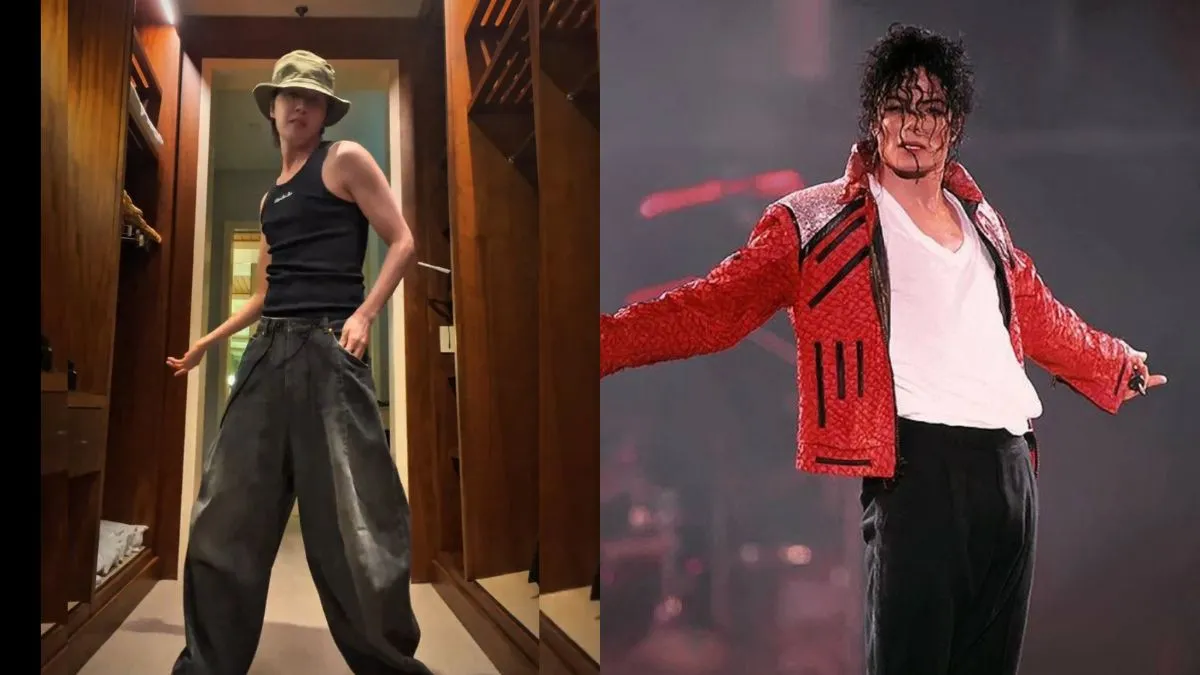
However, not all reactions have been positive. A segment of netizens and dance enthusiasts have expressed discomfort with what they perceive as an attempt to replicate Jackson’s singular style too closely. Critics argue that while J-Hope is a highly skilled performer in his own right, invoking the image of Michael Jackson — whose influence on global pop culture is unparalleled — risks appearing presumptuous. Some commentators suggested that the tribute lacked sufficient originality, viewing it instead as a direct imitation that failed to add meaningful innovation to the source material.
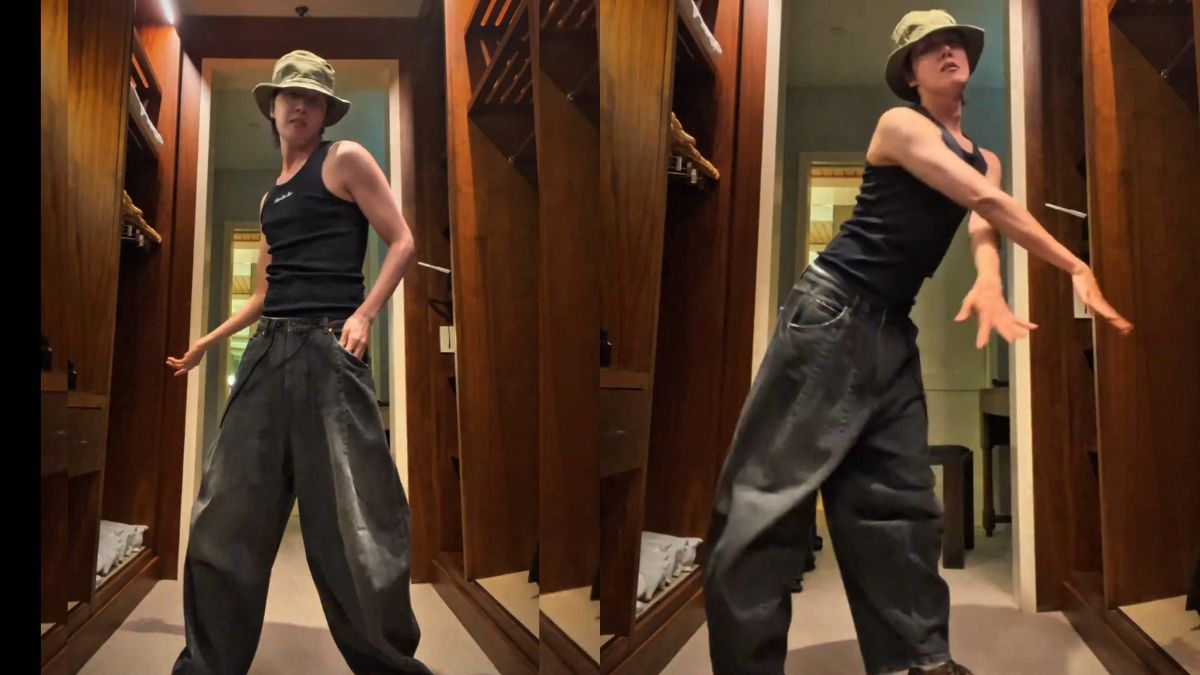
This backlash reflects broader sensitivities surrounding tributes to cultural icons. Michael Jackson’s dance vocabulary, particularly in tracks like “Beat It,” “Billie Jean,” and “Thriller,” revolutionised popular dance with its blend of street styles, ballet, and theatrical flair. For many, these moves represent not only technical brilliance but also a personal artistic identity that cannot be easily recreated. Detractors have pointed out that even professional choreographers who have studied Jackson’s work acknowledge the difficulty of capturing his essence without inviting comparison. In J-Hope’s case, some felt the performance, while technically competent, highlighted the gap between admiration and authentic replication.

The controversy has also reignited discussions about cultural appropriation and the responsibilities of contemporary artists when honouring predecessors. Although J-Hope has long cited Jackson as a major influence — alongside other dance pioneers — certain voices online questioned whether a K-pop idol should publicly channel such a monumental figure, especially amid ongoing debates about Jackson’s personal legacy. Others defended the BTS member, arguing that artistic inspiration should be encouraged rather than policed, and that his genuine respect for Jackson’s craft was evident.

J-Hope’s history as BTS’s primary dancer makes the criticism particularly noteworthy. Known for his versatility, powerful stage presence, and dedication to honing his skills, he has consistently demonstrated excellence in various genres, from hip-hop to contemporary and street dance. His solo projects and contributions to BTS performances have earned acclaim from industry professionals, including choreographers who have drawn parallels between his use of pauses, symbolic poses, and dynamic expression and Jackson’s techniques. Yet even these endorsements have not shielded him from scrutiny in this instance.
The timing of the video, released during the highly successful “ARIRANG” world tour, adds another layer to the discourse. With sold-out stadium shows across multiple continents, BTS members have enjoyed renewed global visibility following their military service. For some fans, J-Hope’s decision to share personal dance content represents a refreshing moment of individuality. For others, it distracts from the group’s collective achievements or invites unnecessary comparison that could undermine his unique artistic identity within the K-pop landscape.
This episode underscores the intense expectations placed upon idols in the digital age. Every piece of content is subject to immediate and often polarised analysis. While many ARMY members flooded social platforms with supportive messages, side-by-side comparisons, and declarations that Jackson himself would have appreciated the gesture, the critical voices have highlighted ongoing tensions within fan communities. Some argue that such tributes should remain private or be executed with greater creative distance to avoid backlash.
Despite the divided opinions, J-Hope has maintained his characteristic positivity and focus on performance. His commitment to dance as a form of expression has been a cornerstone of his career, helping elevate BTS to unprecedented heights. The incident serves as a reminder of the fine line artists must navigate when engaging with legendary figures — balancing reverence with innovation while managing public perception.
In the wider context of pop music history, tributes to Michael Jackson are common yet rarely without contention. From professional dancers to casual enthusiasts, attempts to recreate his moves often spark both admiration and debate. J-Hope’s video adds to this tradition, demonstrating the enduring impact of Jackson’s artistry across generations and cultures. Whether viewed as a heartfelt homage or an ill-advised imitation, it has undeniably reignited conversations about influence, legacy, and the evolution of dance in popular entertainment.
As BTS continues its global journey, moments like this reveal the complexities of fame in the social media era. J-Hope’s willingness to share his passion for dance, even in the face of criticism, reflects the confidence and resilience that have defined his path. While opinions may differ on the execution of this particular tribute, few can deny the dedication behind it or the broader cultural dialogue it has provoked.
Ultimately, the response to J-Hope’s video illustrates how deeply personal and communal artistic expression can be. In attempting to channel the spirit of the King of Pop, he has invited both celebration and contention — a testament to the lasting power of Michael Jackson’s influence and the high standards expected of today’s leading performers.